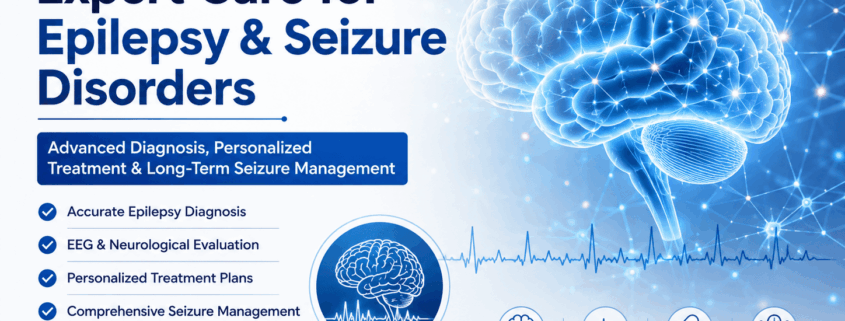
Epilepsy is one of the most common neurological disorders affecting people of all ages. It is characterized by recurrent seizures caused by abnormal electrical activity in the brain. While a single seizure may occur due to temporary factors such as fever, infection, or injury, repeated seizures often indicate epilepsy and require specialized medical evaluation.
This is why consulting an experienced epilepsy specialist in Delhi is essential. A specialist can accurately identify the type of epilepsy, determine its underlying cause, and develop a personalized treatment plan based on the patient’s unique needs. Advanced diagnostic tools such as Electroencephalogram (EEG), MRI brain imaging, and neurological assessments play a crucial role in achieving the right diagnosis and treatment outcomes.
At Neuro Clinic Plus, patients receive comprehensive neurological care under the guidance of Dr. Aparna Gupta. With extensive experience in managing epilepsy, seizures, stroke, migraine, vertigo, Parkinson’s disease, and other neurological conditions, she focuses on evidence-based treatment strategies that help patients achieve better seizures control and improved quality of life.
What Is Epilepsy?
Epilepsy is a chronic neurological disorder that causes recurrent seizures due to abnormal electrical activity in the brain. These seizures can affect movement, awareness, behavior, emotions, or sensations. The condition can occur at any age and often requires specialized medical evaluation for accurate diagnosis and treatment.
For individuals experiencing these differences, consulting an epilepsy specialist in Delhi can provide clarity through expert evaluation.
Difference Between a Seizure and Epilepsy
A seizures is a sudden burst of abnormal electrical activity in the brain that may occur once due to factors such as fever, injury, or infection. Epilepsy is diagnosed when a person experiences repeated unprovoked seizures or has a high risk of recurring seizures.
Types of Epilepsy
Neurologists generally classify epilepsy into the following categories:
- Focal Epilepsy: seizures begin in one specific area of the brain.
- Generalized Epilepsy: seizures involve both sides of the brain from the start.
- Unknown Onset Epilepsy: The exact starting point of the seizures cannot be determined.
Understanding the type of epilepsy is important because it helps specialists choose the most effective treatment plan for long-term seizures control.
Common Symptoms of Epilepsy
The symptoms of epilepsy can vary widely depending on the type of seizures and the part of the brain affected. While some seizures are easily recognized, others may appear as brief episodes of confusion or unusual behavior, making diagnosis more challenging.
Physical Symptoms
Many people with epilepsy experience physical symptoms such as involuntary jerking movements, muscle stiffness, sudden loss of balance, or unexpected falls. In some cases, a seizures may lead to a temporary loss of consciousness or cause repetitive actions that the person cannot control.
Cognitive and Sensory Symptoms
Epilepsy can also affect thinking, awareness, and sensory perception. Individuals may experience staring spells, confusion, memory lapses, difficulty speaking, or unusual sensations such as strange smells, tastes, tingling, or numbness. These symptoms can occur before, during, or after a seizures.
Identifying these indicators early with the help of an epilepsy specialist in Delhi ensures that patients receive the necessary support to manage their symptoms effectively.
When to Seek Medical Attention
Recurring seizures, unexplained blackouts, sudden episodes of confusion, or changes in awareness should never be ignored. Seeking timely evaluation from a neurologist can help identify the cause, confirm the diagnosis, and begin appropriate treatment to reduce the risk of future seizures.
What Causes Epilepsy?
Epilepsy can develop for many different reasons, although in some cases the exact cause remains unknown. Understanding the underlying cause is important because it helps neurologists determine the most effective treatment and long-term management strategy.
Brain Injuries and Trauma
Head injuries caused by road accidents, falls, sports injuries, or other forms of trauma can damage brain tissue and increase the risk of developing epilepsy. Seizures may occur immediately after an injury or even years later.
Neurological Conditions
Certain neurological disorders, including stroke, brain tumors, and degenerative diseases, can disrupt normal brain activity and trigger recurrent seizures. Stroke is one of the leading causes of epilepsy in older adults.
Infections and Genetic Factors
Brain infections such as meningitis and encephalitis can increase the likelihood of epilepsy by affecting the brain’s structure and function. In some individuals, genetic factors may also play a role, making them more susceptible to seizures disorders even without a clear external cause.
Unknown Causes
Despite advances in neurological care, some patients are diagnosed with epilepsy without an identifiable cause. In these situations, comprehensive evaluation and regular follow-up remain essential for effective seizures management.
An epilepsy specialist in Delhi utilizes advanced diagnostics to differentiate epilepsy from other conditions, ensuring a precise approach to care.
How Is Epilepsy Diagnosed?
Accurate diagnosis is the foundation of effective epilepsy treatment. Since seizures can resemble other medical conditions, a detailed neurological evaluation is necessary to identify the type of epilepsy and its underlying cause.
Medical History and Neurological Examination
The diagnostic process typically begins with a thorough review of symptoms, seizures frequency, medical history, and family history. A neurologist will also perform a neurological examination to assess brain and nervous system function.
Electroencephalogram (EEG)
An Electroencephalogram (EEG) is one of the most important tests for epilepsy. It records the brain’s electrical activity and helps identify abnormal patterns that may indicate seizures disorders.
Brain Imaging Tests
Imaging studies such as MRI scans help detect structural abnormalities in the brain, including tumors, scars, strokes, or other conditions that may be triggering seizures. In some cases, additional imaging tests may be recommended for a more detailed assessment.
Personalized Evaluation
Because epilepsy affects each person differently, diagnosis often involves combining clinical findings with test results. A comprehensive evaluation helps specialists create a treatment plan tailored to the patient’s specific condition and seizures type.
Epilepsy Treatment Options
The goal of epilepsy treatment is to control seizures, reduce complications, and improve overall quality of life. Treatment plans are individualized based on the type of epilepsy, seizures frequency, age, medical history, and underlying cause.
Anti-Seizure Medications
For most patients, anti-seizure medications are the first line of treatment. These medicines help stabilize electrical activity in the brain and can effectively control seizures in many individuals when taken as prescribed.
Lifestyle and Trigger Management
Certain lifestyle changes can help reduce the risk of seizures. Maintaining a regular sleep schedule, managing stress, avoiding known seizures triggers, and following medication instructions carefully can support better seizures control.
Advanced Treatment Approaches
Some patients continue to experience seizures despite medication. In such cases, an epilepsy specialist may recommend advanced treatment options, including specialized evaluations, surgical assessment, or neuromodulation therapies depending on the individual’s condition.
Long-Term Monitoring
Regular follow-up appointments are essential to monitor treatment effectiveness, adjust medications when necessary, and ensure optimal seizures management over time. Consistent medical supervision helps patients maintain a safer and more active lifestyle.
Why Choose Dr. Aparna Gupta for Epilepsy Treatment in Delhi?
Choosing the right neurologist is an important step in achieving effective seizures control and improving long-term neurological health. Expert evaluation and personalized care can make a significant difference in treatment outcomes for individuals living with epilepsy.
Extensive Neurological Expertise
Dr. Aparna Gupta is an experienced neurologist with expertise in diagnosing and managing epilepsy, seizures disorders, stroke, migraine, vertigo, Parkinson’s disease, neuropathy, and other neurological conditions. Her patient-centered approach focuses on identifying the root cause of symptoms and providing evidence-based treatment.
Comprehensive Diagnostic Approach
Every patient undergoes a detailed assessment that may include neurological examination, medical history review, Electroencephalogram (EEG) interpretation, and brain imaging evaluation. This comprehensive approach helps ensure an accurate diagnosis and effective treatment planning.
Personalized Treatment Plans
Epilepsy affects every individual differently. Treatment plans are tailored according to seizures type, frequency, age, lifestyle, and overall health, helping patients achieve better seizures control and an improved quality of life.
Ongoing Care and Follow-Up
Regular monitoring and follow-up consultations help track progress, adjust treatment when needed, and provide long-term support for effective seizures management.
Tips for Living Well with Epilepsy
Living with epilepsy requires more than medical treatment alone. Adopting healthy habits and following your neurologist’s recommendations can help reduce seizures frequency and improve overall well-being.
Take Medications Consistently
Following the prescribed treatment plan is one of the most important aspects of epilepsy management. Missing doses or stopping medication without medical advice can increase the risk of seizures.
Prioritize Sleep and Stress Management
Lack of sleep and excessive stress are common seizures triggers for many individuals. Maintaining a regular sleep schedule and practicing stress-management techniques can support better seizures control.
Identify and Avoid Triggers
Some people notice that certain factors, such as flashing lights, alcohol consumption, illness, or emotional stress, can trigger seizures. Keeping track of seizures patterns can help identify and avoid these triggers.
Maintain Regular Follow-Ups
Routine visits to a neurologist allow treatment progress to be monitored and medications to be adjusted when necessary. Ongoing medical supervision plays a key role in achieving long-term seizures control and maintaining a healthy, active lifestyle.
Frequently Asked Questions
Can epilepsy be cured permanently?
The outcome depends on the type and cause of epilepsy. Some individuals may become seizure-free for years with appropriate treatment, while others may require ongoing medical management to control seizures effectively.
What is the best treatment for epilepsy?
Treatment varies from person to person. Anti-seizure medications are commonly used, but some patients may benefit from advanced therapies if seizures remain uncontrolled.
How is epilepsy diagnosed?
Diagnosis typically involves a neurological examination, detailed medical history, Electroencephalogram (EEG) testing, and brain imaging studies such as MRI scans to identify the cause and type of seizures.
When should I see an epilepsy specialist?
You should consult a specialist if you experience recurrent seizures, unexplained blackouts, sudden loss of consciousness, or seizures that continue despite treatment.
Can people with epilepsy lead a normal life?
Yes. With timely diagnosis, proper treatment, and regular follow-up care, many individuals with epilepsy successfully pursue education, careers, sports, and other daily activities.
What are the common triggers for seizures?
Common triggers may include sleep deprivation, stress, missed medications, alcohol consumption, illness, and flashing lights in susceptible individuals.
Conclusion
Epilepsy is a manageable neurological condition when diagnosed early and treated appropriately. Understanding the symptoms, causes, and treatment options can help patients take proactive steps toward better seizures control and improved quality of life. If you or a loved one experiences recurrent seizures or unexplained episodes of loss of consciousness, seeking expert neurological care is essential. With accurate diagnosis, personalized treatment, and ongoing medical support, many individuals with epilepsy can live healthy, productive, and independent lives under the guidance of an experienced epilepsy specialist in Delhi such as Dr. Aparna Gupta.