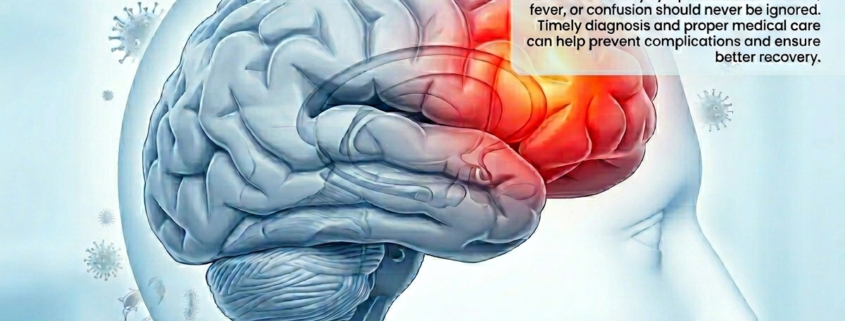
A brain infection is a serious medical condition that affects the brain and its surrounding tissues. It can be caused by bacteria, viruses, fungi, or parasites entering the brain, leading to inflammation and damage. While some infections may start with mild symptoms, they can quickly become severe if not treated on time.
One of the biggest concerns people have is whether a brain infection can be life-threatening. The answer is yes — in many cases, it can be dangerous and even fatal if proper medical care is delayed. Brain infections can interfere with vital functions such as breathing, movement, memory, and consciousness.
However, the good news is that with early diagnosis and the right treatment, many brain infections can be managed effectively. Recognizing the warning signs and seeking immediate medical attention plays a crucial role in recovery.
In this article, we will explain the causes, symptoms, risks, and treatment options for brain infections in simple language, so you can understand when to act and how to protect yourself and your loved ones.
What is a Brain Infection?
A brain infection occurs when harmful microorganisms such as bacteria, viruses, fungi, or parasites enter the brain or its surrounding protective layers, leading to inflammation and damage. This inflammation can disrupt normal brain function, affecting memory, thinking ability, movement, speech, and even basic life functions like breathing and consciousness. Because the brain is such a sensitive and vital organ, even a small infection can become serious if not treated early.
Brain infections can develop either suddenly (acute) or gradually over time, depending on the cause. In some cases, the infection spreads to the brain from other parts of the body, such as the ears, sinuses, throat, or lungs. It can also enter through the bloodstream or after a head injury or surgery. People with weak immune systems are at a higher risk, but brain infections can affect anyone.
There are different types of brain infections, based on the area affected:
- Meningitis: This infection affects the protective layers (meninges) surrounding the brain and spinal cord. It is often caused by bacteria or viruses and can lead to symptoms like high fever, severe headache, and neck stiffness.
- Encephalitis: This involves inflammation of the brain tissue itself, most commonly due to viral infections. It may cause confusion, seizures, personality changes, or difficulty speaking.
- Brain Abscess: This is a pocket of pus formed due to bacterial or fungal infection. It increases pressure inside the skull and can damage nearby brain tissue if not treated quickly.
In simple terms, a brain infection is a serious condition that requires immediate medical attention. Early diagnosis and treatment can help prevent complications and improve recovery outcomes.
Causes of Brain Infection
Brain infections can occur when harmful microorganisms enter the brain or its surrounding tissues. These infections may either start in the brain or spread from other parts of the body through the bloodstream or nearby structures. Below are the major causes explained in more detail:
1. Bacterial Infections
Bacterial infections are one of the most dangerous causes of brain infections and can lead to conditions like meningitis and brain abscess. Common bacteria can enter the body through respiratory infections or untreated infections in the ear, nose, or throat. Once in the bloodstream, they can travel to the brain and cause rapid inflammation.
These infections often progress quickly and may lead to severe complications if not treated immediately. High fever, severe headache, and neck stiffness are common warning signs. Immediate use of antibiotics is usually required to control the infection.
2. Viral Infections
Viral infections are a common cause of brain inflammation, especially encephalitis. Viruses can enter the body through contaminated food, water, insect bites (like mosquitoes), or close contact with an infected person.
Some viral infections may begin with mild flu-like symptoms but can later affect the brain, causing confusion, seizures, or behavioral changes. While some viral infections resolve on their own, others may require antiviral medications and hospital care.
3. Fungal Infections
Fungal infections of the brain are rare but serious. They usually affect people with weakened immune systems, such as those undergoing chemotherapy, organ transplant patients, or individuals with chronic illnesses.
Fungi can enter the body through the lungs or bloodstream and slowly spread to the brain. These infections develop gradually but can become life-threatening if not diagnosed early. Treatment often requires long-term antifungal medications.
4. Parasitic Infections
Parasitic infections can affect the brain when parasites enter the body through contaminated food, water, or poor hygiene. In some cases, parasites can form cysts in the brain, leading to seizures and neurological problems.
These infections are more common in areas with poor sanitation but can affect anyone if proper hygiene is not maintained. Early diagnosis and treatment are important to prevent long-term damage.
5. Spread from Other Infections
In many cases, brain infections do not start in the brain itself. Instead, they spread from nearby or distant infections in the body. Common sources include:
- Chronic ear infections
- Untreated sinus infections
- Lung infections such as pneumonia
- Dental infections or gum disease
If these infections are ignored, bacteria or other microorganisms can travel to the brain and cause serious complications.
6. Head Injury or Surgery
A head injury, skull fracture, or brain surgery can create a direct pathway for microorganisms to enter the brain. Even minor injuries, if not properly treated, can increase the risk of infection.
Post-surgical infections may also occur if proper care and hygiene are not maintained. That’s why doctors closely monitor patients after brain-related procedures.
7. Weak Immune System
A weak immune system makes it harder for the body to fight infections, increasing the risk of brain infections. People at higher risk include:
- Infants and elderly individuals
- Patients with chronic illnesses like diabetes
- People undergoing chemotherapy or long-term medication
- Individuals with poor nutrition or weakened immunity
In such cases, even a minor infection can become serious and spread to the brain more easily.
Overall, brain infections can have multiple causes, but most of them are preventable with proper hygiene, timely treatment of infections, and a strong immune system.
Common Symptoms to Watch
The symptoms of a brain infection can vary depending on the type, cause, and severity of the condition. In many cases, early symptoms may seem mild or similar to common illnesses, but they can rapidly worsen as the infection spreads. That’s why understanding each symptom in detail is very important for early detection and treatment.
1. Severe Headache
A severe and persistent headache is one of the earliest and most noticeable symptoms. This type of headache is usually different from regular headaches—it may feel constant, throbbing, and worsen over time. It often does not improve with usual painkillers.
The headache may be caused by inflammation in the brain or increased pressure inside the skull. It can become more intense when lying down, coughing, or moving the head.
2. Fever
Fever is a common sign that the body is fighting an infection. In brain infections, the fever is often high and may come with chills, sweating, and body weakness.
In bacterial infections, fever tends to rise quickly, while in viral infections, it may develop more gradually. Persistent fever along with neurological symptoms should never be ignored.
3. Nausea and Vomiting
Nausea and repeated vomiting are often seen in brain infections due to increased intracranial pressure (pressure inside the skull).
Unlike normal stomach-related vomiting, this may occur suddenly and without any clear digestive cause. It is often associated with headache and dizziness, making the person feel extremely uncomfortable.
4. Seizures (Fits)
Seizures are one of the most serious symptoms and may occur even in individuals with no previous history of epilepsy. These can range from mild episodes (such as brief confusion or staring spells) to severe convulsions with loss of consciousness.
Seizures occur because the infection disrupts normal brain activity. Repeated seizures can increase the risk of brain damage and require immediate medical attention.
5. Confusion and Difficulty Thinking
Brain infections directly affect mental function. A person may feel confused, have trouble concentrating, or struggle to understand simple things.
They may also experience memory problems, mood changes, irritability, or unusual behavior. In severe cases, the person may not recognize familiar people or surroundings, which can be very alarming.
6. Neck Stiffness
Neck stiffness is a classic symptom, especially in meningitis. The person may find it difficult or painful to bend the neck forward.
This happens due to inflammation of the protective layers around the brain and spinal cord. It is often accompanied by headache and fever, forming a key warning sign.
7. Sensitivity to Light (Photophobia)
Many patients experience discomfort or pain in the eyes when exposed to bright light. This is known as photophobia.
It occurs because the infection irritates the brain and its surrounding tissues, making the eyes more sensitive. Patients may prefer to stay in dark rooms and avoid light exposure.
8. Difficulty Speaking or Moving
As the infection affects different parts of the brain, it can interfere with speech and movement. A person may have slurred speech, difficulty forming words, or trouble understanding language.
They may also experience weakness or numbness in the arms or legs, poor coordination, or difficulty walking. These symptoms can sometimes resemble a stroke and should be treated as an emergency.
9. Loss of Consciousness
In advanced stages, the infection can severely affect brain function, leading to drowsiness, extreme fatigue, or complete loss of consciousness.
The person may become unresponsive or slip into a coma. This indicates a critical condition and requires immediate hospitalization and intensive care.
10. Other Possible Symptoms
In addition to the major symptoms, some other signs may include:
- Sensitivity to noise
- Blurred or double vision
- Loss of balance and coordination
- Difficulty hearing
- Sudden personality or behavioral changes
- Sleepiness or difficulty staying awake
These symptoms may vary from person to person, but any unusual neurological change should be taken seriously.
Important Note
Brain infection symptoms can worsen very quickly—sometimes within hours. Ignoring early signs can lead to severe complications. If someone experiences a combination of symptoms like high fever, severe headache, confusion, or seizures, it is important to seek emergency medical care immediately.
Can a Brain Infection Be Life-Threatening?
Yes, a brain infection can be life-threatening, especially if it is not diagnosed and treated at the right time. The brain is one of the most important organs in the body, controlling breathing, heartbeat, movement, and thinking. Any infection that affects the brain can disrupt these vital functions and quickly become dangerous.
1. Why Brain Infections Are Dangerous
Brain infections cause inflammation and swelling inside the skull. Since there is very limited space in the skull, this swelling increases pressure on the brain, which can damage brain cells.
As the infection spreads, it can interfere with essential functions like consciousness, breathing, and blood circulation. In severe cases, this can lead to life-threatening complications.
2. Rapid Progression of the Infection
Some brain infections, especially bacterial meningitis, can worsen very quickly—sometimes within hours. What may start as a simple fever or headache can rapidly turn into confusion, seizures, or unconsciousness.
Delayed medical care increases the risk of serious outcomes, making early diagnosis extremely important.
3. Possible Life-Threatening Complications
If left untreated, brain infections can lead to several serious complications, such as:
- Brain damage due to prolonged inflammation
- Seizure disorders (epilepsy)
- Hearing or vision loss
- Memory problems and difficulty concentrating
- Coma (loss of consciousness for a long time)
- Death in severe cases
The severity depends on the type of infection, overall health of the patient, and how quickly treatment is started.
4. Higher Risk in Certain Individuals
Some people are at greater risk of severe or life-threatening complications, including:
- Infants and elderly individuals
- People with weak immune systems
- Patients with chronic diseases
- Individuals who delay treatment
In these groups, even a mild infection can become serious very quickly.
5. Importance of Early Treatment
The good news is that many brain infections can be treated successfully if diagnosed early. Timely use of antibiotics, antiviral drugs, or other treatments can control the infection and reduce complications.
Early hospitalization and proper medical care greatly improve the chances of recovery and survival.
6. When Does It Become an Emergency?
A brain infection becomes a medical emergency when symptoms such as high fever, severe headache, confusion, seizures, or loss of consciousness appear.
Ignoring these warning signs can lead to rapid deterioration of the patient’s condition. Immediate medical attention can save lives.
Who is at Higher Risk?
1. Infants and Young Children
Infants and young children are at higher risk because their immune systems are still developing and not strong enough to fight infections effectively. Their protective brain barrier is also not fully mature, making it easier for infections to spread. Symptoms in children may not be very clear, and instead of headache, they may show signs like continuous crying, irritability, poor feeding, or vomiting. Because infections can worsen quickly in this age group, early medical attention is very important.
2. Elderly Individuals
Elderly people are more vulnerable to brain infections due to a naturally weakened immune system with age. They are also more likely to have other health conditions such as diabetes or heart disease, which further increase their risk. In older adults, symptoms may not appear typical—they may experience confusion, drowsiness, or sudden behavioral changes instead of clear signs like fever, which can delay diagnosis and treatment.
3. People with Weak Immune Systems
Individuals with weakened immunity are at a significantly higher risk because their bodies cannot effectively fight infections. This includes patients undergoing chemotherapy, organ transplant recipients, people taking long-term steroids, or those with chronic illnesses. In such cases, infections can develop more easily, spread faster, and become more severe, increasing the chances of complications.
4. Patients with Chronic Diseases
People suffering from chronic conditions like diabetes, kidney disease, liver problems, or lung disorders have a reduced ability to fight infections. For example, uncontrolled diabetes weakens the immune response, making it easier for bacteria or viruses to grow and spread. These patients may also take longer to recover and are at a higher risk of severe complications.
5. People with Untreated or Recurrent Infections
Untreated infections in other parts of the body, such as the ears, sinuses, lungs, or teeth, can spread to the brain over time. Chronic or repeated infections increase this risk significantly, especially if proper treatment is not taken. Bacteria can travel through nearby tissues or the bloodstream and lead to serious conditions like brain abscess.
6. Individuals with Head Injury or Recent Surgery
People who have experienced a head injury, skull fracture, or recent brain surgery are at increased risk because infections can directly enter the brain. Even minor injuries, if not properly treated, can become a source of infection. After surgery, poor hygiene or improper wound care can further increase the risk, making regular medical follow-up essential.
7. People Living in Poor Hygiene Conditions
Poor hygiene, unsafe drinking water, and lack of sanitation increase the risk of infections that may spread to the brain. Consuming contaminated food or water can introduce harmful microorganisms into the body. These conditions are especially risky in areas where parasitic and bacterial infections are more common.
8. Unvaccinated Individuals
People who are not vaccinated are at a higher risk of developing certain brain infections, especially meningitis caused by bacteria or viruses. Vaccines help protect against serious infections and reduce their severity. Lack of vaccination increases both the chances of infection and the risk of complications.
9. Individuals with Poor Nutrition and Lifestyle
Poor nutrition, lack of essential vitamins, inadequate sleep, and unhealthy lifestyle habits can weaken the immune system over time. People who are malnourished or constantly stressed may have lower immunity, making it easier for infections to develop and spread, including those that can affect the brain.
How is a Brain Infection Diagnosed?
Diagnosing a brain infection involves a detailed evaluation of symptoms along with several medical tests to confirm the exact cause and severity. The process usually starts with a thorough discussion of the patient’s medical history, including symptoms like fever, headache, seizures, or confusion, followed by a physical and neurological examination to check reflexes, coordination, speech, and mental status.
Doctors then use advanced imaging techniques such as MRI or CT scans to get a clear view of the brain and identify any swelling, inflammation, or abscess. Blood tests are also performed to detect signs of infection, including an increased white blood cell count, and to identify the type of microorganism involved.
One of the most important tests is a lumbar puncture (spinal tap), where a small sample of cerebrospinal fluid is collected and analyzed to determine whether the infection is bacterial, viral, or fungal. In some cases, an EEG may be used to monitor brain activity, especially if the patient is experiencing seizures or confusion.
The diagnosis process may include:
- Detailed medical history and neurological examination
- MRI or CT scan for brain imaging
- Blood tests and blood cultures
- Lumbar puncture (spinal fluid test)
- EEG to check brain activity
- Biopsy in rare or complex cases
Early and accurate diagnosis is very important because brain infections can worsen rapidly. Identifying the cause at the right time helps doctors begin appropriate treatment and reduces the risk of serious complications.
Treatment Options for Brain Infection
Treatment of a brain infection depends on the type of infection, its severity, and the overall health of the patient. Since brain infections can become serious very quickly, treatment is usually started immediately, often even before the exact cause is confirmed. Most patients require hospitalization so they can be closely monitored and treated properly.
Doctors use different types of medications to control the infection and reduce inflammation in the brain. Antibiotics are given in cases of bacterial infections, while antiviral medicines are used for viral causes. Antifungal drugs may be required for fungal infections, especially in patients with weak immunity. In addition to these, medications may also be given to reduce brain swelling, control fever, and prevent seizures.
In more serious cases, supportive care is also very important. Patients may need fluids, oxygen support, or intensive care if their condition is critical. If there is a brain abscess (collection of pus), a surgical procedure may be required to drain it and reduce pressure on the brain.
The treatment process may include:
- Antibiotics for bacterial infections
- Antiviral medications for viral infections
- Antifungal treatment in rare cases
- Medicines to reduce brain swelling and inflammation
- Anti-seizure medications if seizures occur
- Hospitalization and close monitoring
- Surgery in case of brain abscess or complications
Early treatment plays a key role in recovery. With timely medical care and proper management, many patients can recover well and avoid serious complications.
Prevention Tips
Importance of Prevention
Preventing a brain infection mainly involves protecting your body from infections and maintaining a strong immune system. While not all brain infections can be avoided, many can be prevented with simple precautions and healthy habits. Taking early action against minor infections and following proper hygiene can significantly reduce the risk.
Role of Vaccination and Hygiene
Vaccination plays an important role in preventing certain serious infections like meningitis. Maintaining good personal hygiene, such as regular handwashing and consuming clean food and safe drinking water, helps prevent the spread of harmful microorganisms. It is also important to treat infections in areas like the ears, sinuses, throat, or teeth without delay, as these can spread to the brain if ignored.
Healthy Lifestyle and Immunity
A healthy lifestyle supports the immune system, making it easier for the body to fight infections. This includes eating a balanced diet, getting enough sleep, and managing stress. People with chronic illnesses should keep their condition under control and follow their doctor’s advice regularly.
Key Prevention Steps
The prevention steps may include:
- Getting recommended vaccinations on time
- Maintaining proper hygiene and cleanliness
- Drinking clean and safe water
- Treating infections (ear, sinus, dental) early
- Avoiding close contact with infected individuals
- Eating a healthy and balanced diet
- Strengthening immunity through proper sleep and lifestyle
- Regular medical check-ups, especially for high-risk individuals
When to See a Doctor
Do Not Ignore Early Warning Signs
It is very important to seek medical help as soon as you notice any unusual symptoms related to a brain infection. Early signs like mild fever, headache, body weakness, or fatigue may seem common, but if they persist for more than a day or worsen gradually, they should not be ignored. A headache that becomes severe, continuous, or different from your usual pattern is especially concerning. Early consultation with a doctor can help identify the problem at an initial stage and prevent complications.
Symptoms That Need Immediate Attention
You should consult a doctor immediately if symptoms start becoming more intense or appear together. Warning signs include high fever, severe headache, repeated vomiting, confusion, difficulty concentrating, sensitivity to light, or neck stiffness. These symptoms may indicate that the infection is affecting the brain or its surrounding tissues. Difficulty in speaking, understanding, or sudden behavioral changes are also important signs that require urgent medical evaluation.
Emergency Situations
A brain infection can quickly become life-threatening in certain situations and requires emergency medical care. If a person experiences seizures (fits), loss of consciousness, extreme drowsiness, inability to wake up, or sudden weakness or numbness in the face, arms, or legs, immediate hospitalization is necessary. In some cases, breathing difficulty or loss of control over body movements may also occur. Delaying treatment in such conditions can lead to permanent brain damage or even death.
Special Care for High-Risk Individuals
People who are at higher risk—such as infants, elderly individuals, and those with weak immune systems—should be extra cautious. Even mild symptoms like low-grade fever, irritability, poor feeding (in children), confusion, or unusual tiredness (in elderly) should not be ignored. In these individuals, brain infections can develop rapidly and may not show typical symptoms, making early medical attention very important.
Follow-Up and Monitoring
After diagnosis and starting treatment, regular follow-up is essential to ensure proper recovery. Doctors may monitor symptoms, repeat tests if needed, and adjust medications based on the patient’s condition. Patients and caregivers should watch for any new symptoms such as worsening headache, seizures, or changes in behavior. Completing the full course of treatment and attending all follow-up visits helps prevent relapse and long-term complications.
Frequently Asked Questions (FAQs)
1. Can a brain infection be cured?
Yes, many brain infections can be cured if diagnosed early and treated properly. The treatment depends on the cause, such as antibiotics for bacterial infections or antiviral medicines for viral infections. Early medical care reduces complications and improves recovery chances, while delayed treatment can make the condition more serious and harder to manage.
2. How long does it take to recover from a brain infection?
Recovery time varies depending on the type and severity of the infection. Mild cases may improve within a few weeks, while severe infections can take several months. Some patients may need rehabilitation if complications occur. Regular follow-up, proper medication, and rest are important for complete and faster recovery.
3. Are brain infections contagious?
Some brain infections, especially those caused by bacteria or viruses like meningitis, can spread from person to person through close contact, coughing, or sneezing. However, not all brain infections are contagious. The risk of spreading depends on the specific cause, and proper hygiene can help reduce transmission.
4. Can a brain infection cause permanent damage?
Yes, a brain infection can cause permanent damage if not treated on time. It may lead to memory problems, difficulty speaking, seizures, or weakness in the body. Early diagnosis and proper treatment significantly reduce the risk of long-term complications and help in better recovery outcomes.
5. Can brain infections be prevented?
Many brain infections can be prevented by maintaining good hygiene, getting vaccinated, and treating infections early. Drinking clean water, eating healthy food, and strengthening the immune system also help reduce risk. Avoiding contact with infected individuals and following medical advice can further protect against serious infections.
Conclusion
A brain infection is a serious medical condition that can become life-threatening if not treated on time. It can affect vital brain functions such as memory, movement, and consciousness, leading to severe complications if ignored. However, with early diagnosis, proper medical care, and timely treatment, many brain infections can be managed effectively.
Understanding the symptoms, causes, and risk factors plays a crucial role in identifying the condition early. Simple steps like maintaining hygiene, treating infections on time, and strengthening immunity can help reduce the risk. Most importantly, never ignore warning signs such as severe headache, fever, confusion, or seizures. Seeking immediate medical attention can make a life-saving difference.
In short, awareness and quick action are the key to preventing serious outcomes and ensuring better recovery.