Tag Archive for: best vertigo specialist in Safdarjung

best vertigo specialist in safdarjung

A vertigo attack can occur suddenly, making you feel as though the room is spinning even when you’re standing still. This sensation can affect your balance, coordination, and daily activities, increasing the risk of falls and injuries.

If you experience frequent or severe episodes of vertigo, consulting the Best Vertigo Specialist in Safdarjung can help identify the underlying cause and ensure you receive the right treatment. While some cases are related to inner ear problems, others may be caused by neurological conditions that require expert evaluation.

At Neuro Clinic Plus, Dr. Aparna Gupta, a neurologist with 22+ years of experience, provides comprehensive assessment and personalized treatment for patients experiencing vertigo, dizziness, and balance disorders. Early diagnosis and timely care can help reduce symptoms and improve your quality of life.

Recognize the Symptoms of a Vertigo Attack

A vertigo attack can vary from mild to severe, but the symptoms often appear suddenly and may last for a few seconds, minutes, or even longer. Recognizing these warning signs early can help you take the right steps and seek medical care if needed.

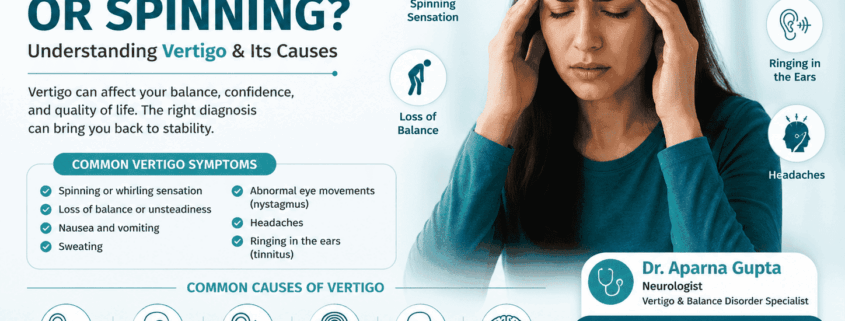
Common symptoms include:

  • A spinning sensation even when you are standing or sitting still.
  • Loss of balance or difficulty walking steadily.
  • Nausea or vomiting during or after the episode.
  • Feeling lightheaded or unsteady.
  • Sweating or cold clammy skin.
  • Difficulty focusing your vision due to the spinning feeling.
  • In some cases, ringing in the ears or hearing changes may also occur.

If these symptoms occur repeatedly or become more severe, it is important to consult the Best Vertigo Specialist in Safdarjung for a detailed evaluation. At Neuro Clinic Plus, Dr. Aparna Gupta carefully assesses the cause of vertigo and recommends a treatment plan based on each patient’s condition.

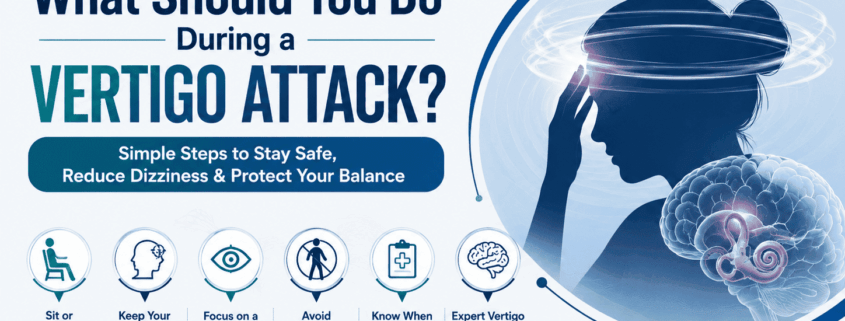
What Should You Do Immediately During a Vertigo Attack?

If you experience a vertigo attack, staying calm and avoiding sudden movements can help prevent falls and reduce the intensity of your symptoms. Taking the right steps immediately can make the episode easier to manage.

1. Sit or Lie Down Safely

As soon as you feel the spinning sensation, sit or lie down in a safe place to reduce the risk of falling.

2. Keep Your Head Still

Avoid turning your head quickly. Slow, gentle movements can help prevent the dizziness from worsening.

3. Focus on a Fixed Object

Looking at a stationary object, such as a wall clock or a picture frame, may help your brain regain a sense of balance.

4. Stay Hydrated

Drink small sips of water if you are able. Dehydration can sometimes make dizziness worse.

5. Avoid Driving or Walking Alone

Wait until the spinning sensation has completely settled before driving, climbing stairs, or walking without support.

6. Ask for Help if Needed

If your symptoms are severe or you feel unable to stand safely, ask a family member or someone nearby to assist you.

If your vertigo attacks are frequent, severe, or accompanied by symptoms such as weakness, difficulty speaking, or vision changes, seek medical attention immediately. Consulting the Best Vertigo Specialist in Safdarjung at Neuro Clinic Plus can help determine the underlying cause and provide the appropriate treatment to prevent future episodes.

What Should You Avoid During a Vertigo Attack?

Knowing what not to do during a vertigo attack is just as important as knowing the right steps to take. Avoiding certain activities can help reduce the risk of injuries and prevent your symptoms from becoming worse.

Avoid Why It Matters
Driving A sudden spinning sensation can make it unsafe to control a vehicle.
Sudden head movements Quick movements may increase dizziness and trigger more intense symptoms.
Walking without support This increases the risk of falls and injuries.
Climbing stairs Poor balance can make stairs especially dangerous during an attack.
Using heavy machinery Vertigo can affect coordination and concentration.
Self-medicating Taking medicines without medical advice may mask symptoms or delay the correct diagnosis.
Alcohol and smoking These may worsen dizziness and interfere with recovery in some patients.

If your vertigo attacks continue to occur or become more frequent, don’t ignore them. Consulting the Best Vertigo Specialist in Safdarjung can help identify the exact cause and provide effective treatment. At Neuro Clinic Plus, Dr. Aparna Gupta offers comprehensive neurological evaluation and personalized care to help patients manage vertigo safely and improve their quality of life.

When Should You See a Doctor?

Occasional dizziness may not always be a cause for concern, but recurrent or severe vertigo should never be ignored. A timely medical evaluation can help identify whether the symptoms are caused by an inner ear disorder or an underlying neurological condition.

You should consult a doctor if you experience:

  • Frequent or recurring vertigo attacks
  • Vertigo that lasts for several minutes or hours
  • Difficulty walking or maintaining balance
  • Severe headache along with dizziness
  • Double vision, slurred speech, or weakness in the face, arm, or leg
  • Hearing loss or ringing in the ears
  • Vertigo after a head injury
  • Persistent nausea or vomiting that does not improve

Seek emergency medical care immediately if vertigo is accompanied by sudden weakness, difficulty speaking, confusion, or loss of consciousness, as these may be signs of a stroke or another serious neurological condition.

If you notice any of these warning signs, schedule an evaluation with the Best Vertigo Specialist in Safdarjung. At Neuro Clinic Plus, Dr. Aparna Gupta performs a detailed neurological assessment to determine the underlying cause of vertigo and recommends the most appropriate treatment for long-term relief.

How Is Vertigo Diagnosed?

An accurate diagnosis is essential because vertigo can have different underlying causes, ranging from inner ear disorders to neurological conditions. Identifying the root cause helps ensure you receive the most effective treatment.

A Best Vertigo Specialist in Safdarjung will typically perform the following evaluations:

Diagnostic Method Purpose
Medical History Reviews your symptoms, their duration, triggers, and previous medical conditions.
Neurological Examination Checks your balance, coordination, eye movements, reflexes, and nerve function.
Physical Examination Evaluates your overall health and looks for signs that may be causing dizziness.
Balance & Vestibular Tests Assesses how well your inner ear and balance system are functioning.
Hearing Assessment Recommended if vertigo is associated with hearing loss or tinnitus.
MRI or CT Scan May be advised when a neurological condition or structural abnormality is suspected.

At Neuro Clinic Plus, Dr. Aparna Gupta combines a detailed clinical evaluation with advanced diagnostic techniques to determine the exact cause of vertigo. This personalized approach helps patients receive the right treatment and reduces the chances of recurring attacks.

Treatment Options for Vertigo

The treatment for vertigo depends on its underlying cause. While some cases improve with simple repositioning techniques, others may require medication, rehabilitation, or treatment of a neurological condition.

Medications

Doctors may prescribe medications to help relieve dizziness, nausea, or vomiting during a vertigo attack. These medicines should always be taken under medical supervision.

Vestibular Rehabilitation Therapy (VRT)

Vestibular rehabilitation is a specialized exercise program that helps improve balance, coordination, and stability. It is especially beneficial for people with recurring vertigo or balance disorders.

Canal Repositioning Maneuvers

If vertigo is caused by Benign Paroxysmal Positional Vertigo (BPPV), your doctor may perform canal repositioning maneuvers, such as the Epley maneuver, to move displaced crystals in the inner ear back to their proper position.

Treating the Underlying Condition

Vertigo can sometimes be linked to neurological disorders, migraines, infections, or inner ear diseases. In these cases, treating the underlying condition is the most effective way to reduce or prevent future attacks.

Lifestyle Changes

Simple lifestyle modifications can also support recovery, including:

  • Staying hydrated
  • Getting adequate sleep
  • Managing stress effectively
  • Avoiding sudden head movements
  • Following your prescribed treatment plan

For an accurate diagnosis and personalized treatment, consult the Best Vertigo Specialist in Safdarjung. At Neuro Clinic Plus, Dr. Aparna Gupta develops individualized treatment plans based on each patient’s symptoms, medical history, and diagnostic findings to help achieve long-term relief from vertigo.

Why Choose Dr. Aparna Gupta at Neuro Clinic Plus?

Choosing the right specialist is essential for effective vertigo treatment. Since vertigo can be caused by both inner ear disorders and neurological conditions, a thorough evaluation is important to identify the exact cause and provide the most appropriate care.

22+ Years of Neurology Experience

Dr. Aparna Gupta has over 22 years of experience in diagnosing and treating a wide range of neurological conditions, including vertigo, dizziness, balance disorders, stroke, headaches, and epilepsy.

Comprehensive Evaluation

At Neuro Clinic Plus, every patient undergoes a detailed assessment that includes medical history, neurological examination, and, when required, advanced diagnostic investigations to determine the underlying cause of vertigo.

Personalized Treatment Plans

No two patients experience vertigo in the same way. Treatment plans are customized based on the patient’s symptoms, diagnosis, medical history, and overall health to achieve the best possible outcomes.

Advanced Neurological Care

The clinic offers evidence-based management for vertigo and other neurological disorders, ensuring patients receive appropriate treatment and long-term follow-up when needed.

Patient-Centered Approach

From diagnosis to recovery, Dr. Aparna Gupta focuses on educating patients, addressing their concerns, and providing compassionate care to improve their quality of life.

If you are experiencing recurrent dizziness or balance problems, consult the Best Vertigo Specialist in Safdarjung at Neuro Clinic Plus for an accurate diagnosis and a personalized treatment plan aimed at long-term relief.

Tips to Reduce Future Vertigo Attacks

While not all cases of vertigo can be prevented, adopting healthy daily habits can help reduce the frequency and severity of future episodes. Following your doctor’s advice and making simple lifestyle changes can support better balance and overall well-being.

  • Stay hydrated by drinking enough water throughout the day.
  • Get 7–8 hours of quality sleep every night.
  • Avoid sudden head movements, especially when getting out of bed or bending down.
  • Manage stress and anxiety through relaxation techniques, meditation, or light exercise.
  • Follow your prescribed medications and treatment plan consistently.
  • Limit alcohol and smoking, as they may worsen dizziness in some individuals.
  • Eat a balanced diet and avoid skipping meals to help maintain stable blood sugar levels.
  • Use handrails or support when walking if you feel unsteady.
  • Perform vestibular exercises only if recommended by your doctor.
  • Schedule regular follow-up visits with the Best Vertigo Specialist in Safdarjung to monitor your condition and adjust treatment if necessary.

By taking these preventive measures and seeking timely medical care, many people can effectively manage vertigo and enjoy a better quality of life. At Neuro Clinic Plus, Dr. Aparna Gupta helps patients understand the cause of their vertigo and provides personalized guidance to minimize future attacks.

Frequently Asked Questions (FAQs)

1. What is a vertigo attack?

A vertigo attack is a sudden sensation that you or your surroundings are spinning, even when you are standing or sitting still. It can affect your balance and daily activities.

2. What should I do during a vertigo attack?

Sit or lie down immediately, keep your head still, focus on a fixed object, and avoid sudden movements until the dizziness improves.

3. How long does a vertigo attack usually last?

The duration varies depending on the cause. Some attacks last a few seconds or minutes, while others may continue for several hours.

4. What are the common causes of vertigo?

Vertigo may be caused by inner ear disorders, migraines, head injuries, infections, or neurological conditions. A proper evaluation is important to identify the exact cause.

5. When should I see a doctor for vertigo?

You should consult the Best Vertigo Specialist in Safdarjung if your vertigo is frequent, severe, recurring, or accompanied by symptoms such as weakness, double vision, or difficulty speaking.

6. Can vertigo go away without treatment?

Some mild cases may resolve on their own, but recurrent or persistent vertigo should be assessed by a doctor to rule out underlying medical conditions.

7. Which doctor should I consult for vertigo?

A neurologist is the right specialist if vertigo is suspected to be related to the brain or nervous system. Dr. Aparna Gupta at Neuro Clinic Plus provides comprehensive evaluation and treatment for vertigo.

8. How is vertigo diagnosed?

Diagnosis typically includes a medical history, neurological examination, balance assessment, hearing tests, and imaging studies such as MRI when required.

9. Can stress trigger vertigo?

Yes. Stress and anxiety can worsen dizziness or trigger vertigo episodes in some people. Managing stress may help reduce the frequency of attacks.

10. Is vertigo a sign of a serious condition?

Most cases are not life-threatening, but vertigo accompanied by weakness, slurred speech, severe headache, or vision changes may indicate a medical emergency and requires immediate attention.

11. Can vertigo be prevented?

Although not all cases can be prevented, staying hydrated, getting enough sleep, managing stress, and following your treatment plan can help reduce future attacks.

12. Why choose Dr. Aparna Gupta for vertigo treatment?

With 22+ years of experience, Dr. Aparna Gupta at Neuro Clinic Plus offers comprehensive diagnosis, personalized treatment plans, and long-term care for patients experiencing vertigo, dizziness, and balance disorders.

Conclusion

A vertigo attack can be frightening, but knowing how to respond quickly and safely can help reduce the risk of falls and other complications. While occasional episodes may not be serious, frequent, severe, or recurring vertigo should always be evaluated by a medical professional to identify the underlying cause.

If you are experiencing persistent dizziness or balance problems, consult the Best Vertigo Specialist in Safdarjung for a comprehensive evaluation. At Neuro Clinic Plus, Dr. Aparna Gupta provides expert diagnosis, personalized treatment, and ongoing care to help patients manage vertigo effectively and improve their quality of life. Early diagnosis and the right treatment can make a significant difference in preventing future attacks and supporting long-term brain and balance health.


vertigo specialist in Safdarjung.

Can dehydration make dizziness worse? The answer is yes. When your body does not get enough fluids, your blood volume decreases, making it harder for oxygen and nutrients to reach the brain. This can lead to lightheadedness, weakness, and dizziness. While drinking water often helps in mild cases, frequent or severe dizziness should not be ignored, as it may indicate an underlying vertigo or neurological disorder.

If your symptoms keep returning or are accompanied by a spinning sensation, it is important to consult a vertigo specialist in Safdarjung for a proper evaluation. An experienced neurologist can determine whether your dizziness is caused by dehydration, an inner ear problem, or another neurological condition. Seeking timely care from the best vertigo specialist in Safdarjung can help identify the root cause and ensure you receive the right treatment before the condition worsens.

How Does Dehydration Cause Dizziness?

Your body depends on adequate fluids to maintain healthy blood circulation and proper brain function. When you become dehydrated, several changes occur that can make you feel dizzy or unsteady.

Reduced Blood Volume

Dehydration lowers the amount of blood circulating in your body. As a result, less oxygen reaches the brain, which can cause dizziness, weakness, or fainting, especially when standing up quickly.

Drop in Blood Pressure

A lack of fluids may lead to low blood pressure, making it difficult for your brain to receive enough blood flow. This often results in lightheadedness and a feeling of imbalance.

Electrolyte Imbalance

Water helps maintain the right balance of electrolytes such as sodium and potassium. When these levels become abnormal, nerve and muscle function can be affected, increasing the risk of dizziness and fatigue.

Reduced Oxygen Supply to the Brain

When dehydration affects circulation, the brain receives less oxygen and nutrients, which can lead to difficulty concentrating, headaches, and dizziness.

Can Dehydration Trigger Vertigo?

Although dehydration does not always cause vertigo, it can worsen existing vertigo symptoms in some people. If you experience repeated spinning sensations, balance problems, or dizziness that does not improve after drinking fluids, it is advisable to consult a specialist in the area. An accurate diagnosis from a local neurological expert can help identify whether dehydration is the only cause or if an underlying neurological condition requires treatment.

Common Signs of Dehydration

Dehydration does not always cause extreme thirst. In many cases, your body gives early warning signs that should not be ignored. Recognizing these symptoms can help prevent dizziness and other health complications.

  • Persistent thirst even after drinking small amounts of water
  • Dry mouth and dry lips
  • Dark yellow urine or reduced urination
  • Fatigue and low energy levels
  • Headache that develops without another clear cause
  • Lightheadedness when standing or walking
  • Muscle cramps due to electrolyte imbalance
  • Difficulty concentrating or feeling mentally foggy

When Is It More Than Just Dehydration?

If your dizziness continues even after proper hydration or is accompanied by spinning sensations, balance problems, blurred vision, or nausea, it could be a sign of vertigo or another neurological condition. In such cases, seeking medical advice from a neurology specialist is essential for an accurate diagnosis. Consulting an expert physician can help determine the underlying cause and ensure you receive the most appropriate treatment.

Is It Dehydration or Vertigo?

Although both conditions can make you feel dizzy, they are not the same. Dehydration usually causes lightheadedness that improves after drinking fluids, whereas vertigo creates a spinning sensation that often requires medical evaluation. Understanding the difference can help you know when it’s time to seek professional care.

Feature Dizziness Due to Dehydration Vertigo
How it feels Lightheaded, faint, or weak A spinning or moving sensation
Common cause Lack of fluids and electrolyte imbalance Inner ear disorders or neurological conditions
When it occurs After excessive sweating, vomiting, diarrhea, or inadequate water intake May occur suddenly when changing head position or even while resting
Duration Usually improves after hydration Can last from a few minutes to several hours or longer
Associated symptoms Thirst, dry mouth, dark urine, fatigue Nausea, vomiting, balance problems, ringing in the ears
Improves with water? Yes, in most mild cases Not always; medical treatment may be needed
When to seek medical care If symptoms persist despite hydration If episodes are frequent, severe, or affect daily activities

If your dizziness does not improve after drinking enough water, or you experience repeated episodes of spinning, loss of balance, or nausea, it is important to consult a neurologist. Early evaluation by a balance disorder expert can help identify the exact cause and prevent the condition from affecting your quality of life.

When Should You See a Doctor?

Occasional dizziness caused by mild dehydration often improves after drinking enough fluids and resting. However, if your symptoms are frequent, severe, or accompanied by other warning signs, it is important to seek medical attention. Persistent dizziness may indicate vertigo or another neurological condition that requires proper diagnosis and treatment.

Warning Signs You Should Not Ignore

  • Dizziness that lasts for several hours or keeps returning
  • A spinning sensation that affects your balance
  • Difficulty walking or frequent falls
  • Severe headache with dizziness
  • Blurred or double vision
  • Weakness or numbness in the face, arm, or leg
  • Difficulty speaking or confusion
  • Fainting or loss of consciousness
  • Dizziness that does not improve after proper hydration

Why Early Diagnosis Matters

Ignoring persistent dizziness can delay the treatment of conditions such as vertigo, inner ear disorders, stroke, or other neurological problems. If you experience any of the above symptoms, consult an experienced neurologist for a comprehensive evaluation. Receiving timely care from a qualified medical professional can help identify the underlying cause and provide the right treatment to restore your balance and improve your quality of life.

Why Choose Dr. Aparna Gupta for Vertigo Care?

Finding the right specialist is important when dizziness or vertigo begins to affect your daily life. Dr. Aparna Gupta offers comprehensive neurological care to identify the underlying cause of your symptoms and recommend the most appropriate treatment.

22+ Years of Neurology Experience

With over 22 years of experience, Dr. Aparna Gupta has treated patients with vertigo, dizziness, migraines, stroke, epilepsy, and other neurological disorders using an evidence-based approach.

Accurate Diagnosis

Not every episode of dizziness is caused by dehydration or an inner ear problem. Dr. Aparna Gupta performs a detailed neurological evaluation to determine whether your symptoms are related to vertigo, nerve disorders, or other medical conditions.

Personalized Treatment Plans

Every patient has different symptoms and medical needs. Treatment plans are tailored based on the underlying cause, symptom severity, and overall health to help achieve long-term relief.

Comprehensive Care at Neuro Clinic Plus

At Neuro Clinic Plus, patients receive expert consultation for vertigo and other neurological conditions in a patient-focused environment. The clinic is equipped to evaluate balance disorders and provide guidance for effective management.

Expert Care for Persistent Dizziness

If your dizziness keeps returning or is affecting your daily activities, consulting a vertigo specialist in Safdarjung can help you get the right diagnosis and treatment. Many patients trust Dr. Aparna Gupta as the best vertigo specialist in Safdarjung for her experience, compassionate care, and commitment to improving neurological health.

About Neuro Clinic Plus

Neuro Clinic Plus provides comprehensive neurological care for patients experiencing dizziness, vertigo, headaches, seizures, and other disorders affecting the brain, nerves, and spine. The clinic focuses on accurate diagnosis, personalized treatment, and long-term patient care to help individuals improve their quality of life.

Service How It Helps
Vertigo Evaluation Identifies the underlying cause of dizziness and balance problems.
Neurological Consultation Comprehensive assessment for brain, nerve, and spinal disorders.
Migraine & Headache Management Diagnosis and treatment for recurrent headaches and migraines.
Epilepsy Care Evaluation, medication management, and long-term follow-up for seizures.
Stroke Assessment Early diagnosis and treatment planning for stroke-related conditions.
Movement Disorder Care Management of Parkinson’s disease, tremors, and related disorders.
Peripheral Neuropathy Treatment Evaluation of numbness, tingling, and nerve pain.
Personalized Treatment Plans Care tailored to each patient’s symptoms and medical history.

Whether your dizziness is caused by dehydration, vertigo, or another neurological condition, seeking timely medical advice is important. If your symptoms are persistent or recurring, consulting a neurologist at Neuro Clinic Plus can help you receive an accurate diagnosis and appropriate treatment. Many patients choose the clinic when looking for an experienced specialist for expert neurological care.

Frequently Asked Questions (FAQs)

1. Can dehydration really make dizziness worse?

Yes. Dehydration reduces blood volume and can lower blood pressure, decreasing oxygen supply to the brain. This often leads to dizziness, lightheadedness, and weakness.

2. How can I tell if my dizziness is caused by dehydration?

Dizziness caused by dehydration is usually accompanied by thirst, dry mouth, dark-colored urine, fatigue, and headache. It often improves after drinking fluids and resting.

3. Can dehydration trigger vertigo?

Dehydration may worsen existing vertigo symptoms, but it is not always the primary cause. Persistent spinning sensations should be evaluated by a healthcare professional.

4. What is the difference between dizziness and vertigo?

Dizziness is a feeling of lightheadedness or faintness, whereas vertigo is the sensation that you or your surroundings are spinning or moving.

5. When should I see a doctor for dizziness?

You should seek medical attention if dizziness is severe, recurrent, lasts for several hours, or is accompanied by weakness, difficulty walking, vision changes, or speech problems.

6. Who should I consult for persistent vertigo?

If your symptoms continue despite staying hydrated, it is advisable to consult a qualified doctor for a detailed neurological evaluation.

7. Can drinking more water cure vertigo?

Water can relieve dizziness caused by dehydration, but it cannot treat vertigo caused by inner ear or neurological disorders.

8. What tests are used to diagnose vertigo?

A neurologist may perform a physical examination, balance assessment, neurological evaluation, hearing tests, or imaging studies if needed to determine the underlying cause.

9. Is dizziness always a sign of a serious condition?

No. Dizziness can result from dehydration, low blood pressure, stress, or certain medications. However, persistent or severe symptoms should never be ignored.

10. Why should I choose Dr. Aparna Gupta for vertigo treatment?

Dr. Aparna Gupta has 22+ years of experience in neurology and provides comprehensive diagnosis and personalized treatment for vertigo and other neurological disorders at Neuro Clinic Plus.

11. How can I reduce the risk of dehydration-related dizziness?

Drink adequate water, especially during hot weather or exercise, maintain a balanced diet, avoid excessive alcohol, and replace lost fluids after illness.

12. Where can I find the best vertigo specialist in Safdarjung?

If you are looking for an experienced neurologist, Dr. Aparna Gupta at Neuro Clinic Plus offers expert evaluation and treatment for vertigo, dizziness, and other neurological conditions with a patient-centered approach.

Conclusion

While dehydration can certainly make you feel dizzy, it is not always the only cause. If your symptoms improve after drinking water and resting, dehydration may be the reason. However, recurring dizziness, spinning sensations, balance problems, or nausea could indicate vertigo or another neurological condition that requires medical attention.

Ignoring persistent dizziness can delay the diagnosis of more serious health issues. If your symptoms continue despite staying hydrated, consult a vertigo specialist in Safdarjung for a thorough evaluation. Dr. Aparna Gupta at Neuro Clinic Plus provides expert diagnosis and personalized treatment to help identify the root cause and manage dizziness effectively. If you are searching for the best vertigo specialist in Safdarjung, timely consultation can help you regain balance, prevent complications, and improve your overall quality of life.