Tag Archive for: best neurologist in delhi ncr

migraine treatment in Delhi

Migraines and chronic headaches are more than just occasional pain—they are neurological conditions that can significantly affect daily life, energy levels, and overall well-being. Along with migraines, conditions like epilepsy, stroke-related complications, and nerve disorders also require careful medical attention and accurate diagnosis for effective treatment. Understanding the root cause is essential for long-term relief rather than temporary symptom control. As a Brain specialist in South Delhi, Dr. Aparna Gupta plays an important role in diagnosing and managing these complex neurological conditions with a patient-focused approach.

Dr. Aparna Gupta is an experienced neurologist who specializes in diagnosing and treating a wide range of brain and nerve-related conditions. She is known for her patient-focused approach and her expertise in managing migraines and frequent headaches. As a trusted Headache specialist in Delhi, she carefully evaluates each patient’s symptoms, lifestyle, and triggers to create personalized treatment plans. Her goal is to help patients regain comfort, stability, and confidence in their daily lives through proper diagnosis and effective neurological care.

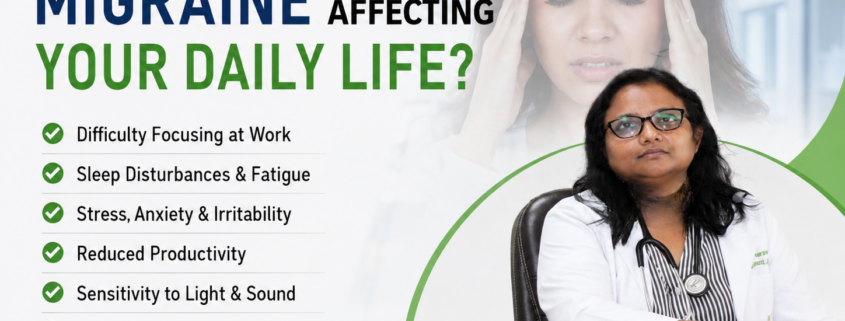
Common Symptoms of Migraine

Migraine is more than just a regular headache. It is a neurological condition that can affect physical health, mental focus, work performance, and daily activities. The symptoms may vary from person to person, and some individuals may experience warning signs before the headache begins. Consulting a qualified Dr. Aparna Gupta or a trusted headache specialist is important for accurate diagnosis and long-term relief.

Throbbing or Pulsating Head Pain

Migraine pain is commonly described as severe throbbing or pulsating discomfort, usually affecting one side of the head. In some cases, the pain may spread to both sides or around the eyes and forehead. The intensity can increase during movement, physical activity, or stress.

Sensitivity to Light, Sound & Smell

Many migraine patients become extremely sensitive to bright lights, loud noises, and strong smells during an attack. Even normal daily surroundings may feel uncomfortable. This symptom often forces patients to rest in a dark and quiet room until the migraine subsides.

Nausea & Vomiting

Migraine attacks are frequently accompanied by nausea, stomach discomfort, or vomiting. These symptoms can reduce appetite and make it difficult to continue daily activities. Severe nausea may also lead to dehydration and weakness.

Visual Disturbances & Aura

Some people experience visual symptoms before or during a migraine attack, known as migraine aura. These may include:

  • Blurred vision
  • Flashing lights
  • Zigzag lines
  • Blind spots
  • Temporary vision changes

A headache specialist in Delhi can help determine whether these visual symptoms are related to migraine, eye disorders, or another neurological condition.

Dizziness & Balance Problems

Certain migraine patients may experience dizziness, vertigo, or a sensation of imbalance. Vestibular migraine can especially affect coordination and balance, making walking or movement uncomfortable.

Fatigue & Difficulty Concentrating

Migraine attacks often cause extreme tiredness, low energy levels, brain fog, and poor concentration. Many patients find it difficult to focus on work, studies, or conversations during an episode.

Neck Pain & Muscle Tightness

Stiffness or pain around the neck and shoulders is another common symptom associated with migraine. Muscle tension may appear before the headache starts or continue even after the migraine attack ends.

Tingling or Numbness

In some cases, patients may notice tingling sensations or temporary numbness in the face, hands, or arms. These symptoms should always be evaluated by a migraine specialist in Delhi NCR to rule out other neurological conditions.

Sleep Disturbances & Mood Changes

Migraine can also affect sleep patterns and emotional health. Some patients experience:

  • Irritability
  • Anxiety
  • Mood swings
  • Difficulty sleeping
  • Restlessness before or after an attack

When to Consult a Migraine Specialist?

You should seek medical attention if:

  • Headaches become frequent or severe
  • Pain interferes with daily life
  • Over-the-counter medicines stop working
  • You experience visual disturbances or weakness
  • Headaches are associated with dizziness or balance issues

Consulting the best neurologist in Delhi NCR or an experienced migraine specialist can help identify triggers, reduce attack frequency, and improve quality of life with advanced migraine treatment options.

Effects on Daily Life

Migraine is not only a painful neurological condition but also a disorder that can significantly affect overall quality of life. Frequent migraine attacks can interfere with work performance, social activities, emotional health, and daily responsibilities. Many patients struggle to maintain a normal routine because the symptoms can appear suddenly and last for several hours or even days. Consulting an experienced Dr. Aparna Gupta or a trusted Brain specialist in South Delhi can help patients manage symptoms more effectively and improve daily functioning.

Impact on Work & Productivity

Migraine attacks often reduce concentration, mental clarity, and productivity. Severe headache pain, sensitivity to light, and nausea can make it difficult to:

  • Attend office meetings
  • Use mobile or computer screens
  • Complete professional tasks
  • Focus on studies or exams
  • Maintain regular attendance at work or school

Many individuals require frequent breaks or rest during migraine episodes, which can affect career growth and academic performance over time.

Sleep Disturbances & Fatigue

People suffering from migraine commonly experience poor sleep quality, insomnia, or disturbed sleep patterns. Lack of proper rest may further trigger migraine attacks and increase fatigue. Patients often wake up feeling tired, low on energy, and mentally exhausted even after sleeping.

Emotional & Mental Health Effects

Chronic migraine can also impact emotional well-being. Repeated episodes of pain and discomfort may lead to:

  • Stress and frustration
  • Anxiety about future attacks
  • Irritability and mood swings
  • Low confidence in social situations
  • Emotional exhaustion

Over time, some patients may avoid social gatherings or outdoor activities because of fear that noise, lights, or stress may trigger another migraine episode.

Reduced Social & Family Activities

Frequent migraine attacks can affect relationships and social life. Patients may cancel plans, avoid traveling, or limit participation in family events due to recurring headaches or sensitivity to surroundings. This can create feelings of isolation and reduced enjoyment in daily life.

Physical Weakness & Reduced Energy Levels

Migraine symptoms such as nausea, dizziness, and continuous head pain can leave patients physically weak. Even after the headache improves, many individuals experience “post-migraine fatigue,” where the body feels drained for hours or days.

Difficulty Managing Daily Responsibilities

Simple daily tasks may become difficult during a migraine attack, including:

  • Cooking or household work
  • Driving or traveling
  • Using digital devices
  • Exercising or physical activity
  • Taking care of children or family responsibilities

This ongoing disruption can affect both personal independence and overall lifestyle.

Importance of Early Medical Care

Ignoring frequent migraine attacks may worsen symptoms and increase their impact on daily life. Early diagnosis and proper treatment from a headache specialist in Delhi or an experienced neurologist can help:

  • Reduce the frequency of attacks
  • Improve sleep and concentration
  • Control pain effectively
  • Identify migraine triggers
  • Enhance overall quality of life

If migraines are regularly affecting your routine, emotional health, or productivity, consulting the best neurologist in Delhi NCR can help you receive personalized treatment and long-term relief.


Common Triggers of Migraine

  • Stress or emotional pressure
  • Irregular sleep or lack of rest
  • Skipping meals or dehydration
  • Certain foods and dietary habits
  • Bright lights, loud sounds, or strong smells

Why Traditional Treatments May Not Be Enough

Many people rely on painkillers for quick migraine relief, but this approach often has limitations because it does not treat the root cause of the condition. Over time, the headache pattern may even become more difficult to control, especially when medication is used frequently.

1. Temporary Relief Only

  • Painkillers mainly reduce pain for a short period
  • Symptoms often return once the effect wears off
  • They do not prevent future migraine attacks

2. Risk of Medication Overuse

  • Frequent use of painkillers can lead to rebound headaches
  • This creates a cycle of increasing dependency on medication
  • Headaches may become more frequent and severe

3. No Focus on Root Causes

  • Migraines are linked to neurological and lifestyle factors
  • Triggers like stress, sleep issues, and diet are often ignored
  • Without identifying triggers, long-term control is difficult

4. Need for Personalized Care

  • Every patient has different triggers and symptoms
  • A general treatment plan may not work for everyone
  • A specialist approach, such as consulting a Brain specialist in South Delhi, helps in proper diagnosis and tailored treatment

5. Better Long-Term Management Needed

  • Preventive strategies are often missing in traditional care
  • Lifestyle changes and targeted therapies are required
  • Proper medical guidance improves long-term quality of life


Latest Migraine Treatment Options in 2026

Migraine management in 2026 is no longer limited to temporary pain relief. Modern approaches focus on preventing attacks, reducing their severity, and improving overall brain health. With medical advancements and better lifestyle awareness, patients now have more effective and targeted options than ever before.

 Modern Medical Treatments

  • CGRP inhibitors
    • Block specific pain-related pathways in the brain
    • Reduce frequency and intensity of migraine attacks
    • Commonly used for long-term prevention
  • Botox therapy
    • Small injections given around head and neck muscles
    • Helps relax nerve activity linked to chronic migraines
    • Recommended for patients with frequent severe attacks
  • Preventive medications
    • Taken regularly instead of only during pain episodes
    • May include blood pressure medicines or nerve-stabilizing drugs
    • Should always be guided by a Brain specialist in South Delhi

 Daily Lifestyle Improvements

  • Healthy sleep routine
    • Sleeping and waking at consistent times
    • Avoiding irregular sleep patterns
  • Proper hydration & diet control
    • Drinking enough water daily
    • Avoiding known trigger foods like processed snacks or excess caffeine
  • Stress reduction techniques
    • Meditation, yoga, and deep breathing exercises
    • Managing work pressure and emotional stress
  • Regular physical activity
    • Light exercise like walking or stretching
    • Helps improve blood circulation and reduce stress

Individualized Care Approach

  • Migraine triggers and symptoms vary from person to person
  • A combination of medication and lifestyle changes works best
  • Professional evaluation from a Brain specialist in South Delhi ensures accurate diagnosis and a personalized treatment plan

Understanding Migraine and Why Advanced Treatment Matters

Migraine is more than just a severe headache—it is a neurological condition that can affect daily life, productivity, sleep, and emotional well-being. Many people experience recurring migraine attacks that interfere with work, studies, and everyday activities. Symptoms often go beyond head pain and may last for hours or even days if not treated properly. Seeking expert care from a Brain specialist in South Delhi can help patients receive an accurate diagnosis and a treatment plan tailored to their condition for long-term relief.

What Is Migraine?

Migraine is a neurological disorder that causes repeated episodes of moderate to severe headaches. The pain is usually throbbing or pulsating and often affects one side of the head. In many cases, migraines are accompanied by additional symptoms that make daily functioning difficult.

Common symptoms include:

  • Severe or throbbing head pain
  • Nausea or vomiting
  • Sensitivity to light, sound, or smell
  • Visual disturbances such as aura or blurred vision
  • Fatigue, dizziness, and trouble concentrating

Common Triggers of Migraine

Migraine attacks are often triggered by lifestyle, hormonal, and environmental factors. Understanding these triggers is important for reducing the chances of frequent attacks.

Common migraine triggers include:

  • Stress and emotional pressure – A major cause of recurring migraines
  • Poor sleep habits – Lack of rest or irregular sleep schedules
  • Hormonal changes – Especially common among women
  • Dehydration – Inadequate water intake can worsen symptoms
  • Unhealthy eating habits – Skipping meals or consuming trigger foods

Why Traditional Treatments May Not Be Enough

Many people rely on regular painkillers for migraine relief, but these medicines often provide only temporary comfort. They may reduce pain for a short period without treating the actual neurological pathway responsible for migraine attacks. In some cases, frequent medicine use may even increase headache frequency over time. Consulting a Headache specialist in Delhi can help patients move beyond short-term solutions and receive more targeted care.

Why Advanced Treatment Matters

Modern migraine treatment focuses on prevention, long-term symptom control, and improving quality of life. Advanced therapies such as CGRP-based medications, Botox treatment, preventive medicines, and lifestyle management are helping patients experience fewer migraine attacks and better relief.

A Brain specialist in South Delhi can identify triggers, assess migraine severity, and create a personalized treatment strategy. With proper medical care and lifestyle changes, patients can achieve better migraine control and improve their overall well-being.

Latest Advances in Migraine Treatment

Modern migraine treatment has improved significantly with advanced therapies that focus on long-term prevention and better symptom control. Today, treatment options are more targeted and personalized, helping patients experience fewer attacks and improved quality of life.

CGRP-Based Medications

CGRP inhibitors are among the latest advancements in migraine treatment. These medications target specific pain pathways in the brain that are linked to migraine attacks.

Benefits include:

  • Helps reduce migraine frequency
  • Lowers severity of headache episodes
  • Supports long-term migraine prevention
  • Suitable for patients with frequent attacks

2. Botox Therapy for Chronic Migraine

Botox therapy is commonly recommended for people suffering from chronic migraines or frequent headaches each month. It works by helping reduce nerve signals related to pain.

Key advantages:

  • Helps reduce headache frequency
  • May lower pain intensity over time
  • Useful for chronic migraine sufferers
  • Recommended after specialist evaluation

3. Neuromodulation Devices

Neuromodulation devices are emerging as non-invasive treatment options for migraine relief. These devices use mild stimulation to help manage migraine symptoms without medication.

Why patients consider them:

  • Drug-free migraine management
  • Non-invasive treatment option
  • Helpful for some medication-resistant cases
  • Can support symptom control

4. Lifestyle Changes for Migraine Prevention

Medical treatment works best when combined with healthy daily habits. Lifestyle management plays an important role in reducing migraine triggers and preventing attacks.

Healthy habits include:

  • Maintaining proper sleep schedules
  • Staying hydrated throughout the day
  • Managing stress through yoga or meditation
  • Eating balanced meals and avoiding trigger foods

5. Personalized Migraine Care

Every patient experiences migraines differently, which is why treatment should be customized. A Brain specialist in South Delhi can evaluate symptoms, identify triggers, and recommend the right combination of therapies for effective long-term relief.


About Dr. Aparna Gupta

Dr. Aparna Gupta is an experienced neurologist who specializes in treating a wide range of neurological conditions. She is known for her patient-focused approach, where she carefully understands symptoms before designing a treatment plan tailored to each individual.

1. Medical Expertise

  • Treats migraines and frequent headaches
  • Manages epilepsy and seizure-related conditions
  • Provides care for stroke-related complications
  • Diagnoses and treats nerve-related disorders
  • Focuses on both acute and chronic neurological issues

2. Focus on Headache & Migraine Care

  • Recognized as a trusted Headache specialist in Delhi
  • Identifies the root cause of recurring headaches
  • Works to differentiate migraine from other headache types
  • Aims to reduce frequency and severity of migraine attacks
  • Focuses on long-term relief instead of temporary solutions

3. Patient-Centered Approach

  • Studies each patient’s symptoms in detail
  • Reviews lifestyle habits, stress levels, and medical history
  • Understands individual migraine triggers
  • Creates personalized treatment plans for better results
  • Ensures clear communication and simple guidance

4. Treatment Philosophy

  • Believes in accurate diagnosis before treatment
  • Focuses on long-term neurological health
  • Combines medical treatment with lifestyle advice
  • Encourages patient awareness and active participation in care

5. Goal of Care

  • Helps patients manage chronic migraines and headaches effectively
  • Supports relief from dizziness and neurological discomfort
  • Aims to improve daily functioning and quality of life
  • Restores confidence in managing long-term health conditions

Frequently Asked Questions (FAQs)

1. What is the latest treatment for migraine?

Modern migraine treatments include CGRP inhibitors, Botox therapy, and preventive medications that help reduce headache frequency, severity, and improve long-term migraine management.

2. Can migraine be cured permanently?

Migraine may not have a permanent cure, but proper treatment, lifestyle changes, and trigger management can effectively control symptoms and reduce frequent attacks.

3. When should I consult a neurologist for migraine?

Consult a neurologist if migraines become severe, frequent, affect daily life, or cause symptoms like dizziness, blurred vision, or numbness.

4. Is Botox effective for migraine treatment?

Yes, Botox is effective for chronic migraine patients and helps reduce headache frequency by blocking pain signals associated with migraine attacks.

5. How can Dr. Aparna Gupta help with migraine treatment?

Dr. Aparna Gupta provides personalized migraine treatment, accurate diagnosis, preventive care, and lifestyle guidance for long-term symptom management and relief.

Conclusion

Migraine treatment has advanced significantly in recent years, giving patients access to more effective and long-lasting solutions than traditional pain management alone. Instead of focusing only on temporary symptom relief, modern migraine care now emphasizes prevention, trigger management, and improving overall neurological health. Treatments such as CGRP-based medications, Botox therapy, preventive medicines, and personalized lifestyle changes are helping many people reduce the frequency and intensity of migraine attacks.

Managing migraines successfully also requires understanding personal triggers, maintaining healthy habits, and seeking timely medical attention when symptoms become frequent or severe. Factors such as stress, poor sleep, dehydration, and irregular eating patterns can often worsen migraine episodes if left unmanaged. Combining medical treatment with proper sleep, hydration, stress control, and a balanced lifestyle can significantly improve long-term outcomes.

For individuals struggling with recurring headaches or chronic migraines, consulting an experienced Brain specialist in South Delhi is an important step toward effective care. Dr. Aparna Gupta focuses on accurate diagnosis and personalized treatment plans designed around each patient’s symptoms and health needs. With the right medical guidance and early intervention, migraine symptoms can be controlled more effectively, helping patients regain confidence, improve productivity, and enjoy a better quality of life.


Epilepsy specialist in Delhi

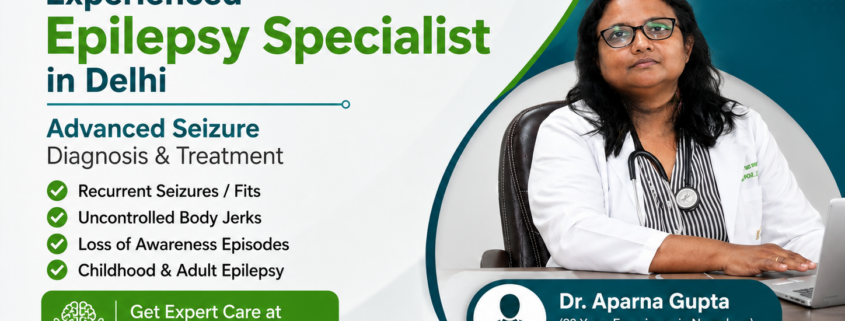
Epilepsy is a brain-related condition in which a person gets repeated seizures without warning. It happens because the brain cells send sudden and abnormal electrical signals. These unusual signals disturb normal brain activity and can cause symptoms like body shaking, loss of awareness, confusion, or strange sensations. An Epilepsy specialist in Delhi can help in understanding these seizures and starting the right treatment at the right time.

If someone is having repeated seizures, it is important to consult an Epilepsy specialist in Delhi for proper diagnosis and treatment. Early treatment helps control seizures, improves daily life, and reduces the risk of complications, making patients safer and more confident. An experienced specialist can identify the seizure type and underlying cause using tests like EEG and MRI, ensuring timely and accurate care. Many patients also prefer the best neurologist in Delhi NCR for complete brain and nerve evaluation.

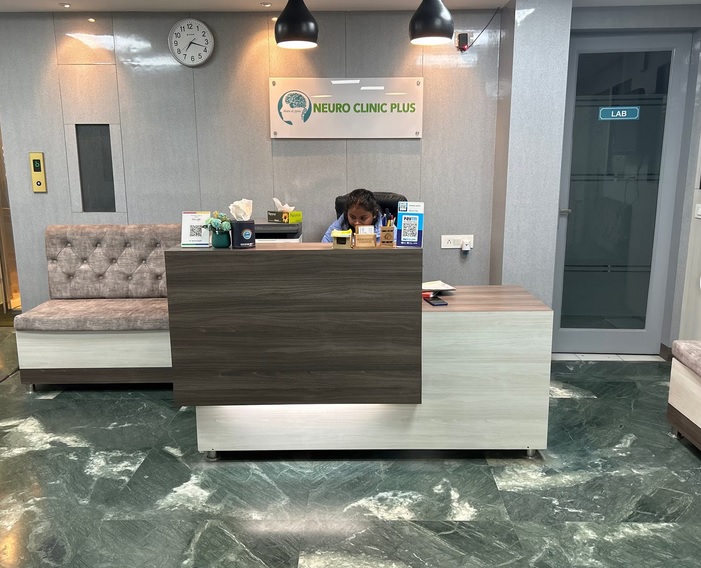
One of the well-known experts is Dr. Aparna Gupta, Associate Director of Neurology at ISIC Multispeciality Hospital, Vasant Kunj, New Delhi, and founder of Neuro Clinic Plus, Safdarjung Enclave. She has 22 years of experience in treating epilepsy and other neurological disorders such as stroke, headache, vertigo, Parkinson’s disease, and memory problems, offering advanced and personalized neurological care.

2. What is Epilepsy? 

Epilepsy is a long-term brain condition in which a person has repeated seizures. It happens when the normal electrical activity in the brain gets disturbed and brain cells start sending sudden and uncontrolled signals. Because of this, the body and mind may react in different ways like shaking, blank staring, confusion, or unusual sensations.

An Epilepsy specialist in Delhi can help diagnose and manage this condition properly so patients get the right treatment at the right time.

Key Points About Epilepsy

  • It is a neurological (brain-related) disorder
  • Caused by abnormal electrical activity in the brain
  • Leads to repeated seizures
  • Can affect people of any age
  • Not contagious or a mental illness
  • Most cases can be controlled with proper treatment
  • Early diagnosis improves long-term outcomes

During a seizure, a person may lose awareness for a few seconds or minutes, or may experience jerking movements of the body. Some seizures are mild and hardly noticeable, while others can be more severe and affect daily life.

Epilepsy is not a mental illness or a contagious disease. It is a neurological disorder that can affect anyone, regardless of age or gender. With proper treatment from an Epilepsy specialist in Delhi, most people are able to control seizures and live a normal life.

Early diagnosis by an Epilepsy specialist in Delhi or the best neurologist in Delhi NCR is very important because it helps in finding the right cause and starting the correct treatment at the right time. At centers like Neuro Clinic Plus, patients receive advanced evaluation and personalized care for better seizure control.

3. Seizure Types and Symptoms

Seizures vary from person to person depending on how and where abnormal electrical activity starts in the brain. Some seizures are mild and short, while others can affect the whole body and daily functioning. Proper identification by an Epilepsy specialist in Delhi is very important for correct diagnosis and treatment.

Focal Aware Seizure

In this type, the seizure starts in one part of the brain and the person remains fully conscious. During the episode, the person may still talk and respond normally. Common symptoms include:

  • Sudden strange emotions like fear, joy, or anxiety
  • Unusual smells, tastes, or sensations
  • Mild twitching or tingling in one part of the body

These seizures are usually short and require evaluation by an Epilepsy specialist in Delhi for proper classification and treatment.

Focal Impaired Awareness Seizure

In this type, awareness is affected and the person may not respond properly to surroundings. They may appear confused or unaware. Symptoms often include:

  • Blank staring and lack of response
  • Repetitive actions like lip smacking or hand rubbing
  • Confusion during or after the seizure
  • Memory loss of the episode

Timely consultation with an Epilepsy specialist in Delhi helps in preventing worsening of seizure frequency.

Generalized Tonic-Clonic Seizure

This is a more severe type that affects both sides of the brain. The seizure usually begins suddenly and involves loss of consciousness. Symptoms include:

  • Body stiffening followed by jerking movements
  • Loss of consciousness
  • Irregular breathing
  • Tongue biting or loss of bladder control
  • Severe tiredness after seizure

Such cases require immediate evaluation by an Epilepsy specialist in Delhi or the best neurologist in Delhi NCR for long-term control.

Absence Seizure

These seizures are very brief and often go unnoticed. The person suddenly stops activity and appears to stare blankly. Key features include:

  • Short staring spells lasting a few seconds
  • No response during the episode
  • No memory of what happened
  • Mostly seen in children

Early diagnosis by an Epilepsy specialist in Delhi helps prevent academic and attention-related issues in children.

Myoclonic Seizure

This type causes sudden, quick jerks in the body. The person usually remains aware. Symptoms include:

  • Sudden shock-like jerks in arms or legs
  • May occur in clusters
  • Often seen in the morning after waking up

An experienced Epilepsy specialist in Delhi can help manage these symptoms with proper medication.

Tonic Seizure

In this seizure, muscles suddenly become stiff. The body may become rigid and balance may be lost. Symptoms include:

  • Sudden muscle stiffness
  • Body rigidity
  • Possible fall due to loss of balance
  • Usually lasts a few seconds

Proper treatment from an Epilepsy specialist in Delhi helps reduce recurrence.

Atonic Seizure (Drop Attack)

This type causes sudden loss of muscle strength. The person may fall without warning. Symptoms include:

  • Sudden collapse or dropping to the ground
  • No warning before seizure
  • Very brief duration
  • High risk of injury

These cases require continuous monitoring by an Epilepsy specialist in Delhi for safety management.

Clonic Seizure

This type involves repeated rhythmic jerking movements. Symptoms include:

  • Repetitive jerking of arms, face, or neck
  • Movements occur in cycles
  • May last several seconds
  • Awareness may or may not be affected

Diagnosis and treatment from an Epilepsy specialist in Delhi or the best neurologist in Delhi NCR helps in better seizure control.

Other Important Symptoms

Seizures may also include additional signs before, during, or after the episode.

Before a seizure, some people experience warning signs called an aura, such as:

  • Strange smell or taste
  • Nausea or dizziness
  • Sudden fear or uneasiness

During a seizure, the person may show:

  • Blank staring
  • Loss of awareness
  • Uncontrolled movements

After a seizure (postictal phase), symptoms may include:

  • Confusion or memory loss
  • Extreme tiredness
  • Headache or weakness

Common triggers include stress, lack of sleep, flashing lights, fever, or missing medication. Early diagnosis and treatment from an Epilepsy specialist in Delhi or the best neurologist in Delhi NCR is essential for long-term seizure control and better quality of life.

4. Causes and Diagnosis of Epilepsy

Epilepsy can develop due to different reasons, and in many cases, the exact cause may not be clearly known. Understanding the cause is important for proper treatment, which is why evaluation by an Epilepsy specialist in Delhi is highly recommended.

Causes of Epilepsy

Epilepsy may happen due to several medical and neurological conditions, including:

  • Brain injury or head trauma after an accident or fall
  • Stroke, which affects blood supply to the brain
  • Brain infections like meningitis or encephalitis
  • Genetic factors, where epilepsy runs in families
  • Brain tumors or structural brain problems
  • Developmental brain disorders present from birth
  • In some cases, the cause is unknown (idiopathic epilepsy)

Early evaluation from an Epilepsy specialist in Delhi or the best neurologist in Delhi NCR helps in identifying the underlying cause and starting the right treatment.

How Epilepsy is Diagnosed

Diagnosis of epilepsy is based on symptoms, medical history, and advanced brain tests. At a specialized center like Neuro Clinic Plus in Safdarjung Enclave, patients receive detailed neurological evaluation under the care of Dr. Aparna Gupta, an experienced neurologist with 22 years of expertise.

Common diagnostic methods include:

  • EEG (Electroencephalogram)
    This test records brain electrical activity and helps detect abnormal seizure patterns.
  • MRI Brain Scan
    Provides detailed images of the brain to identify structural problems like tumors, scars, or abnormalities.
  • Neurological Examination
    A detailed clinical assessment of brain, nerves, reflexes, and overall neurological function.
  • Blood Tests
    Help rule out infections, metabolic issues, or other underlying conditions.

Role of Epilepsy Specialist in Delhi

An experienced Epilepsy specialist in Delhi plays an important role in:

  • Correctly identifying seizure type
  • Finding the root cause of epilepsy
  • Planning personalized treatment
  • Monitoring long-term progress

Patients often choose the best neurologist in Delhi NCR for complex or difficult-to-control seizures for advanced care and better outcomes.

Care at Neuro Clinic Plus – Dr. Aparna Gupta

At Neuro Clinic Plus (B-4/18, Safdarjung Enclave, Delhi), patients receive advanced epilepsy care under Dr. Aparna Gupta, Associate Director of Neurology at ISIC Multispeciality Hospital.

With 22 years of experience, she specializes in:

  • Epilepsy and seizure disorders
  • Stroke and brain infections
  • Headache and vertigo management
  • Parkinson’s disease and movement disorders
  • Dementia and memory problems
  • Autoimmune neurological conditions

Her approach focuses on accurate diagnosis, modern treatment planning, and long-term seizure control, helping patients improve their quality of life.

5. Why You Need an Epilepsy Specialist in Delhi

Epilepsy is not the same for every patient. The symptoms, triggers, and severity can vary widely, which is why proper medical evaluation is very important. Consulting an Epilepsy specialist in Delhi helps ensure accurate diagnosis and the right treatment plan from the beginning.

Many patients delay treatment because seizures may appear occasional or mild at first. However, without proper care, seizures can become more frequent or severe over time. This is where an experienced specialist plays a key role in preventing complications and improving long-term outcomes.

Importance of Specialized Care

  • Accurate identification of seizure type and severity
  • Differentiation between epilepsy and other conditions like fainting or migraines
  • Selection of the right antiseizure medications based on patient needs
  • Monitoring side effects and treatment response
  • Reducing risk of recurrent seizures and injuries

An Epilepsy specialist in Delhi also ensures that patients receive continuous follow-up and adjustments in treatment when required.

Advanced Care for Better Outcomes

At centers like Neuro Clinic Plus in Safdarjung Enclave, patients receive structured and personalized treatment plans. Under the guidance of Dr. Aparna Gupta, care is focused on long-term seizure control and improving quality of life.

Patients who consult the best neurologist in Delhi NCR benefit from:

  • Advanced diagnostic tools like EEG and MRI
  • Evidence-based treatment protocols
  • Multidisciplinary neurological care
  • Better management of drug-resistant epilepsy

Why Early Consultation Matters

Early consultation with an Epilepsy specialist in Delhi can help:

  • Prevent seizure-related injuries
  • Improve daily functioning and safety
  • Reduce long-term brain complications
  • Increase chances of seizure control with medication

Timely treatment is one of the most important factors in achieving better outcomes in epilepsy care.

6. Why Choose Neuro Clinic Plus for Epilepsy Treatment in Delhi

Choosing the right clinic plays a major role in effective epilepsy management. At Neuro Clinic Plus, Safdarjung Enclave (B-4/18), Delhi, patients receive specialized neurological care focused on accurate diagnosis and long-term seizure control under the guidance of an experienced Epilepsy specialist in Delhi.

Neuro Clinic Plus is led by Dr. Aparna Gupta, a highly experienced neurologist with 22 years of expertise in treating epilepsy and other complex brain and nerve disorders. The clinic follows a patient-first approach where every treatment plan is customized based on the patient’s condition, seizure type, and medical history.

Advanced Diagnostic Facilities

At Neuro Clinic Plus, epilepsy evaluation is done using modern and reliable tools such as:

  • EEG (Electroencephalogram) for detecting abnormal brain activity
  • MRI Brain Scans for identifying structural brain issues
  • Detailed neurological examination for accurate assessment
  • Blood and metabolic tests to rule out underlying causes

These advanced diagnostics help in early and precise detection of epilepsy, improving treatment success.

Personalized Epilepsy Treatment

Every patient is treated with a tailored approach, which may include:

  • Antiseizure medications based on seizure type
  • Regular monitoring and dose adjustment
  • Lifestyle and trigger management guidance
  • Long-term follow-up for seizure control

This structured care helps in reducing seizure frequency and improving quality of life under the supervision of an Epilepsy specialist in Delhi.

Patient-Centered Neurological Care

Neuro Clinic Plus focuses on complete neurological support, ensuring:

  • Clear communication with patients and families
  • Step-by-step explanation of treatment plans
  • Emergency seizure management guidance
  • Continuous follow-up and support

Patients also benefit from consultation with the best neurologist in Delhi NCR when dealing with complex or drug-resistant epilepsy cases.

Why Neuro Clinic Plus is Trusted

  • Led by Dr. Aparna Gupta, expert neurologist with 22 years of experience
  • Located in Safdarjung Enclave, easily accessible in Delhi
  • Advanced and evidence-based epilepsy treatment approach
  • Focus on long-term seizure control and improved quality of life
  • Comprehensive care for multiple neurological disorders

Neuro Clinic Plus is a trusted choice for patients seeking reliable and advanced epilepsy care in Delhi.

7. Meet Dr. Aparna Gupta – Neurology Expert in Delhi

Dr. Aparna Gupta is a highly experienced and trusted neurologist in Delhi, known for her expertise in diagnosing and treating epilepsy and other complex neurological disorders. She plays a key role in providing advanced care at Neuro Clinic Plus, Safdarjung Enclave (B-4/18), New Delhi, and also serves as Associate Director of Neurology at ISIC Multispeciality Hospital, Vasant Kunj.

With 22 years of experience in neurology, she is widely regarded as a skilled Epilepsy specialist in Delhi, offering accurate diagnosis, modern treatment approaches, and long-term patient care.

Professional Experience

  • Associate Director of Neurology, ISIC Multispeciality Hospital, Vasant Kunj, New Delhi
  • Founder and Consultant, Neuro Clinic Plus, Safdarjung Enclave
  • Consultant at Indian Spinal Injury Centre
  • Senior Resident, Department of Cardiology, Sir Ganga Ram Hospital

Education & Training

  • MBBS – Netaji Subhash Chandra Bose Medical College, Jabalpur (1998)
  • MD (General Medicine) – Gandhi Medical College, Bhopal (2003)
  • DNB (Neurology) – National Board of Examination, Sir Ganga Ram Hospital (2010)
  • Fellowship in Epilepsy & Sleep Disorders – AIIMS, New Delhi
  • Fellowship in Botox Treatment for Neurological Disorders – Seoul, South Korea

Areas of Expertise

She provides treatment for a wide range of neurological conditions, including:

  • Epilepsy and seizure disorders
  • Stroke and brain-related emergencies
  • Headache and migraine
  • Vertigo and balance disorders
  • Parkinson’s disease and movement disorders
  • Dementia and memory problems
  • Peripheral neuropathy
  • Spine and nerve pain
  • Brain infections
  • Autoimmune neurological disorders

Achievements & Academic Contributions

  • Research presentations at IANCON, DNACON, NSI, and AIIMS conferences
  • Publications in reputed medical journals like JAPI
  • Participation in international neurology conferences on epilepsy, nerve, and muscle disorders
  • Active contributor to advancements in neurological research and epilepsy care

Professional Memberships

  • Indian Academy of Neurology
  • Indian Epilepsy Society
  • American Academy of Neurology
  • Movement Disorder Society of India

Clinical Approach

Dr. Aparna Gupta focuses on:

  • Accurate and early diagnosis of neurological conditions
  • Evidence-based epilepsy treatment plans
  • Patient-friendly communication and counseling
  • Long-term seizure control and quality-of-life improvement

Her expertise makes her one of the most preferred choices for patients looking for the best neurologist in Delhi NCR and an experienced Epilepsy specialist in Delhi.

8. Epilepsy Treatment Options

Epilepsy treatment focuses on controlling seizures, improving daily life, and reducing long-term complications. With proper care from an Epilepsy specialist in Delhi, most patients are able to manage seizures effectively and live a normal life.

At advanced centers like Neuro Clinic Plus in Safdarjung Enclave, treatment is planned based on seizure type, severity, age, and overall health condition of the patient under the guidance of Dr. Aparna Gupta.

Antiseizure Medications (First-Line Treatment)

Medicines are the most common and effective treatment for epilepsy.

  • Antiseizure drugs help stabilize abnormal brain activity
  • Common medicines include levetiracetam, lamotrigine, and carbamazepine
  • Around 60–70% patients achieve good seizure control with medication
  • Dose is adjusted based on response and side effects
  • Regular follow-up is important for long-term management

Proper selection of medication by an Epilepsy specialist in Delhi is very important for effective results.

Ketogenic Diet Therapy (Especially in Children)

In some cases, diet therapy is used along with medication.

  • High-fat, low-carbohydrate diet
  • Helps reduce seizure frequency in some patients
  • Mostly recommended for children with drug-resistant epilepsy
  • Must be followed under medical supervision

Surgical Treatment for Epilepsy

Surgery is recommended when seizures are not controlled by medicines.

  • Removal of seizure-causing brain area (resective surgery)
  • Commonly used in temporal lobe epilepsy
  • Can provide long-term seizure freedom in selected patients
  • Requires detailed brain mapping and EEG studies

This advanced treatment is guided by experienced specialists like an Epilepsy specialist in Delhi or the best neurologist in Delhi NCR.

Device-Based Therapies

For patients who are not suitable for surgery, devices can help control seizures:

  • Vagus Nerve Stimulation (VNS): Sends mild electrical signals to the brain to reduce seizures
  • Responsive Neurostimulation (RNS): Detects abnormal activity and stops seizures early
  • Deep Brain Stimulation (DBS): Targets specific brain areas to control seizures

These treatments are used in drug-resistant epilepsy cases.

Lifestyle and Supportive Care

Along with medical treatment, lifestyle changes play an important role:

  • Proper sleep schedule
  • Stress management techniques
  • Regular physical activity
  • Avoiding seizure triggers like alcohol or flashing lights
  • Taking medicines regularly without missing doses

Comprehensive Care at Neuro Clinic Plus

At Neuro Clinic Plus, patients receive complete epilepsy care including:

  • Advanced diagnosis and treatment planning
  • Personalized medication management
  • Long-term follow-up and monitoring
  • Guidance for lifestyle and seizure prevention

Under the care of Dr. Aparna Gupta, patients receive structured and evidence-based treatment aimed at improving seizure control and overall quality of life.

9. Frequently Asked Questions (FAQ)

Q1. When should I consult an Epilepsy specialist in Delhi?

You should consult an Epilepsy specialist in Delhi if you experience even a single unexplained seizure, repeated episodes of fainting, or sudden body jerks. Early consultation helps in accurate diagnosis and timely treatment.

Q2. Can epilepsy be controlled completely?

Yes, in most patients epilepsy can be well controlled with proper medication and treatment. Many people become seizure-free with regular care from an Epilepsy specialist in Delhi and follow-up treatment.

Q3. What tests are needed to diagnose epilepsy?

Common tests include EEG (brain wave test), MRI brain scan, and detailed neurological examination. These tests help identify abnormal brain activity and seizure causes.

Q4. Is epilepsy a lifelong disease?

Not always. Some patients may require long-term medication, while others may improve over time and gradually reduce treatment under medical supervision.

Q5. What is the role of Neuro Clinic Plus in epilepsy treatment?

Neuro Clinic Plus, Safdarjung Enclave (B-4/18), Delhi, provides advanced epilepsy care including diagnosis, medication management, and long-term seizure control under Dr. Aparna Gupta, a highly experienced neurologist.

Q6. Who is the best neurologist in Delhi NCR for epilepsy?

Patients often consult experienced specialists like Dr. Aparna Gupta, known for her 22 years of experience in neurology and expertise in treating epilepsy and other brain disorders.

10. Conclusion

Epilepsy is a serious neurological condition, but with timely diagnosis and proper treatment, it can be effectively managed. Understanding symptoms early and consulting an Epilepsy specialist in Delhi is the most important step toward better seizure control and improved quality of life.

With advanced medical care, most patients can achieve good seizure control and lead a normal, active life. Treatment works best when it is started early and followed consistently under expert supervision.

Neuro Clinic Plus, Safdarjung Enclave (B-4/18), Delhi, offers comprehensive epilepsy care under the guidance of Dr. Aparna Gupta, an experienced neurologist with 22 years of expertise. Her clinical approach focuses on accurate diagnosis, personalized treatment plans, and long-term seizure management.

Patients searching for the best neurologist in Delhi NCR can benefit from her expertise in managing epilepsy and other complex neurological disorders. Early consultation ensures better outcomes, fewer complications, and a healthier life.


Stroke specialist in delhi

A stroke is a serious medical emergency that occurs when blood flow to a part of the brain is interrupted, preventing brain cells from receiving oxygen and nutrients. Consulting a Stroke specialist in delhi at the earliest signs of stroke can help reduce brain damage and improve recovery outcomes. Early diagnosis and timely medical attention play a critical role in preventing long-term complications such as paralysis, speech difficulties, memory loss, and mobility problems.

Stroke cases are increasing rapidly due to lifestyle-related conditions such as hypertension, diabetes, obesity, stress, smoking, and heart disease. In many cases, people ignore early warning signs like sudden weakness, facial drooping, difficulty speaking, or dizziness, which can delay treatment during the most critical period known as the “golden hour.” Immediate neurological evaluation helps determine whether the stroke is ischemic, caused by a blood clot, or hemorrhagic, caused by bleeding in the brain.

Dr. Aparna Gupta is known for providing comprehensive neurological care and stroke management with a patient-focused approach. At Neuro Clinic Plus, patients receive expert evaluation, timely diagnosis, and personalized treatment plans for stroke recovery and prevention.

Seeking treatment from the best neurologist in delhi ncr can ensure access to advanced stroke diagnosis, emergency management, rehabilitation planning, and long-term preventive care. Timely intervention can save millions of brain cells and significantly improve a patient’s quality of life.

What is a Stroke?

A stroke occurs when the blood supply to a part of the brain is suddenly blocked or when a blood vessel in the brain ruptures, leading to damage or death of brain cells. Since the brain controls important body functions such as movement, speech, memory, and coordination, a stroke can cause severe neurological complications if not treated quickly. Consulting a Stroke specialist in delhi at the earliest symptoms is essential for timely diagnosis and treatment.

There are different types of stroke, and each requires immediate medical attention:

  • Ischemic Stroke: The most common type, caused by a blood clot blocking blood flow to the brain. Nearly 85% of stroke cases fall under this category.
  • Hemorrhagic Stroke: Occurs when a blood vessel bursts and causes bleeding in the brain, increasing pressure on brain tissues.
  • Transient Ischemic Attack (TIA): Also known as a mini-stroke, where symptoms last for a short time but act as a major warning sign for a future stroke.

Stroke symptoms can appear suddenly and may include facial drooping, weakness in the arms or legs, speech difficulties, dizziness, confusion, or vision problems. Quick neurological evaluation helps determine the type and severity of the stroke so that proper treatment can begin during the critical “golden hour.”

Dr. Aparna Gupta offers advanced stroke evaluation and neurological care at Neuro Clinic Plus to help patients receive accurate diagnosis, emergency care, rehabilitation guidance, and long-term stroke prevention support from the best neurologist in delhi ncr.

Why Immediate Medical Attention is Important

Stroke is a medical emergency that requires immediate treatment because every minute of delay can lead to permanent brain damage. When blood flow to the brain is interrupted, brain cells begin to die rapidly due to lack of oxygen. This is why doctors often refer to the first few hours after a stroke as the “golden hour,” where fast diagnosis and treatment can significantly improve recovery and reduce complications. Seeking help from a Stroke specialist in delhi during this critical period can save brain function and improve long-term outcomes.

Ignoring early symptoms or delaying medical care may increase the risk of severe disability, speech problems, memory loss, paralysis, or even life-threatening complications. Immediate neurological assessment helps doctors quickly identify the type of stroke and begin the appropriate treatment.

Some major reasons why urgent stroke care is necessary include:

  • Early detection of ischemic or hemorrhagic stroke
  • Faster brain imaging and diagnosis
  • Timely administration of clot-busting treatments like tPA
  • Reduced risk of permanent neurological damage
  • Better chances of recovery and rehabilitation

Dr. Aparna Gupta provides comprehensive stroke evaluation and emergency neurological care at Neuro Clinic Plus to ensure patients receive timely diagnosis, treatment planning, and recovery support. Consulting the best neurologist in delhi ncr at the right time can make a significant difference in stroke survival and recovery.

Top Signs You Need a Stroke Specialist in Delhi Immediately

Stroke symptoms can appear suddenly and should never be ignored, even if they last for only a few minutes. Delayed treatment may increase the risk of permanent brain damage, paralysis, speech problems, or memory loss. Consulting a Stroke specialist in delhi immediately after noticing any warning signs can help improve recovery outcomes and reduce complications. Early medical attention during the “golden hour” is critical for protecting brain function and saving lives.

Face Drooping

One of the most common early signs of stroke is sudden weakness or numbness on one side of the face. A person may have difficulty smiling properly, and one side of the face may appear uneven or droopy.

Arm Weakness

Sudden weakness or numbness in one arm or leg can indicate reduced blood flow to the brain. Patients may struggle to lift both arms evenly or may experience difficulty walking and maintaining balance.

Speech Difficulties

Stroke can affect the brain areas responsible for communication. Symptoms may include slurred speech, confusion, difficulty understanding words, or trouble speaking clearly.

Vision Problems

Many stroke patients experience sudden blurred vision, double vision, or loss of vision in one or both eyes. These symptoms require immediate neurological evaluation.

Severe Headache

A sudden and severe headache with no known cause may indicate a hemorrhagic stroke caused by bleeding in the brain. It may also be accompanied by nausea, vomiting, or dizziness.

Loss of Balance and Coordination

Sudden dizziness, difficulty walking, poor coordination, or loss of balance are serious neurological symptoms that should never be ignored.

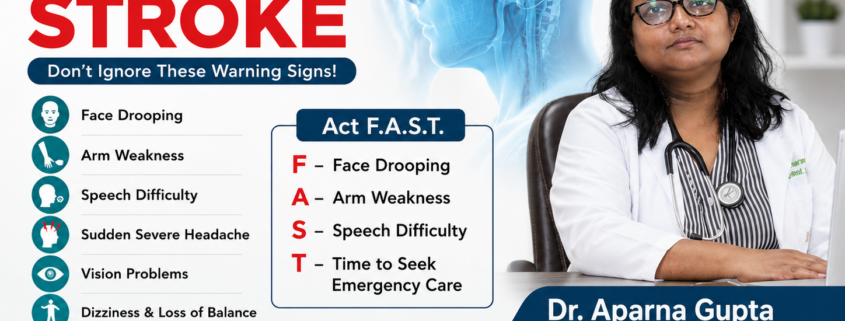
Remember the FAST Warning Signs

Doctors recommend using the FAST method for early stroke recognition:

  • F – Face: Check if one side of the face droops
  • A – Arm: See if one arm drifts downward
  • S – Speech: Notice slurred or unclear speech
  • T – Time: Seek emergency medical care immediately

Dr. Aparna Gupta provides advanced stroke evaluation and neurological care at Neuro Clinic Plus to help patients receive timely treatment and recovery support from the best neurologist in delhi ncr.

Common Risk Factors for Stroke

Stroke can affect people of all ages, but certain medical conditions and lifestyle habits can significantly increase the risk. Understanding these risk factors is important because early prevention and regular neurological checkups can reduce the chances of severe complications. Consulting a Stroke specialist in delhi can help identify underlying health issues and create a personalized prevention plan for high-risk individuals.

Several health conditions are strongly linked to stroke risk, especially when left untreated for a long time. Poor lifestyle choices can also damage blood vessels and affect blood circulation to the brain.

High Blood Pressure

High blood pressure is one of the leading causes of stroke. It can weaken or damage blood vessels in the brain, increasing the risk of both ischemic and hemorrhagic stroke.

Diabetes and High Cholesterol

Uncontrolled diabetes and high cholesterol levels can damage arteries and increase the formation of blood clots, reducing blood supply to the brain.

Smoking and Alcohol Consumption

Smoking narrows blood vessels and reduces oxygen supply, while excessive alcohol intake can raise blood pressure and increase stroke risk.

Obesity and Physical Inactivity

Lack of exercise and unhealthy eating habits may lead to obesity, heart disease, and poor circulation, all of which contribute to stroke.

Stress and Heart Disease

Chronic stress, irregular heartbeat, and heart-related conditions can increase the chances of clot formation and brain stroke.

Dr. Aparna Gupta provides comprehensive neurological evaluation and preventive stroke care at Neuro Clinic Plus to help patients manage risk factors under the guidance of the best neurologist in delhi ncr.

When Should You Visit a Stroke Specialist in Delhi?

Many people ignore early neurological symptoms, assuming they are temporary or caused by stress and fatigue. However, even mild or short-lasting symptoms can be warning signs of a serious stroke or transient ischemic attack (TIA). Consulting a Stroke specialist in delhi at the right time is essential for early diagnosis, emergency treatment, and long-term prevention of future strokes.

You should never delay medical attention if you experience sudden neurological symptoms, especially those related to speech, movement, balance, or vision. Early neurological evaluation can help doctors identify the underlying cause and begin treatment before permanent brain damage occurs.

Sudden Stroke Symptoms

Immediate consultation is necessary if you notice:

  • Facial drooping or numbness
  • Weakness in the arms or legs
  • Difficulty speaking or understanding speech
  • Sudden severe headache
  • Dizziness or loss of coordination
  • Blurred or loss of vision

After a Mini-Stroke or TIA

Transient ischemic attacks (TIAs) are temporary stroke-like episodes that often last only a few minutes or hours. Even if symptoms disappear, TIAs are major warning signs of a future stroke and require urgent medical evaluation.

High-Risk Health Conditions

People with high blood pressure, diabetes, heart disease, obesity, high cholesterol, or a family history of stroke should undergo regular neurological checkups to reduce stroke risk.

Dr. Aparna Gupta offers advanced stroke consultation and preventive neurological care at Neuro Clinic Plus, helping patients receive timely treatment and guidance from the best neurologist in delhi ncr.

How Dr. Aparna Gupta Helps in Stroke Care

Stroke treatment requires quick diagnosis, expert neurological evaluation, and a personalized recovery plan to reduce complications and improve long-term outcomes. Consulting a Stroke specialist in delhi at the earliest stage of symptoms can help patients receive immediate medical attention during the critical “golden hour.” Early treatment plays a major role in protecting brain function and preventing permanent disability.

With over 22 years of experience in neurology and stroke management, Dr. Aparna Gupta provides comprehensive neurological care for patients experiencing stroke symptoms, mini-strokes (TIAs), headaches, speech difficulties, weakness, balance issues, and other neurological concerns. At Neuro Clinic Plus, patients receive detailed neurological assessment and treatment planning based on the type and severity of stroke.

Advanced Stroke Evaluation

Stroke diagnosis often involves neurological examination and brain imaging to identify whether the condition is ischemic or hemorrhagic. Early evaluation helps begin the correct treatment without delay.

Emergency Stroke Management

Timely stroke management may include clot-dissolving medications like tPA, blood pressure control, supportive care, and rehabilitation planning to reduce brain damage and improve recovery outcomes.

Rehabilitation and Preventive Care

Long-term stroke care focuses on improving mobility, speech, coordination, and overall quality of life while reducing the risk of future strokes through lifestyle management, medications, and regular neurological follow-up care.

Patients seeking treatment from the best neurologist in delhi ncr can benefit from personalized stroke management, preventive guidance, and ongoing neurological support for better recovery and long-term brain health.

Why Choose Neuro Clinic Plus for Stroke Care in Delhi?

Choosing the right neurological center is extremely important for accurate diagnosis, emergency stroke management, rehabilitation, and long-term recovery. Stroke treatment often requires immediate medical attention, advanced neurological evaluation, and continuous follow-up care to reduce complications and improve quality of life. Consulting a Stroke specialist in delhi at a trusted neurology clinic can help patients receive timely and comprehensive treatment during every stage of recovery.

Neuro Clinic Plus is known for providing patient-focused neurological care with advanced consultation and stroke management services. Under the guidance of Dr. Aparna Gupta, who has over 22 years of experience in neurology, patients receive personalized treatment plans based on their symptoms, medical history, and stroke risk factors.

Comprehensive Neurological Evaluation

The clinic focuses on early stroke detection through detailed neurological examinations and timely assessment of symptoms such as weakness, speech difficulties, dizziness, headaches, and vision problems.

Personalized Stroke Management

Each patient receives individualized treatment and recovery guidance that may include emergency stroke care, rehabilitation planning, medication management, and preventive strategies.

Long-Term Preventive Care

Regular follow-up care helps patients manage conditions like hypertension, diabetes, cholesterol, and heart disease, which are major contributors to stroke risk.

Patients looking for treatment from the best neurologist in delhi ncr can benefit from expert neurological support, compassionate patient care, and advanced stroke management at Neuro Clinic Plus.

Tips to Reduce Stroke Risk

Although stroke is a serious medical emergency, many cases can be prevented through healthy lifestyle changes, regular medical checkups, and proper management of underlying health conditions. Understanding the risk factors and taking preventive measures can significantly lower the chances of brain stroke and long-term neurological complications. Consulting a Stroke specialist in delhi for preventive neurological care is important, especially for individuals with high blood pressure, diabetes, heart disease, or a family history of stroke.

Simple lifestyle modifications can help improve brain and heart health while reducing the risk of blood clots, blocked arteries, and bleeding in the brain.

Maintain Healthy Blood Pressure

High blood pressure is one of the biggest causes of stroke. Regular monitoring and proper treatment can help protect blood vessels in the brain.

Follow a Healthy Diet

Eating a balanced diet rich in fruits, vegetables, whole grains, and low-fat foods helps maintain healthy cholesterol and blood sugar levels.

Exercise Regularly

Physical activity improves blood circulation, controls weight, and reduces stress, all of which help lower stroke risk.

Avoid Smoking and Excessive Alcohol

Smoking damages blood vessels and increases clot formation, while excessive alcohol intake can raise blood pressure and increase stroke chances.

Get Regular Neurological Checkups

Routine neurological evaluations can help detect early warning signs and reduce future stroke complications.

Dr. Aparna Gupta at Neuro Clinic Plus provides preventive neurological care and stroke risk assessment to help patients maintain better brain health under the guidance of the best neurologist in delhi ncr.

FAQs

What are the first warning signs of a stroke?

  • Face drooping
  • Arm weakness
  • Speech difficulty
  • Vision problems
  • Severe headache
  • Dizziness or confusion

Consult a Stroke specialist in delhi immediately if these symptoms appear suddenly.

How quickly should stroke treatment begin?

Stroke treatment should begin within the “golden hour” because early medical care helps reduce brain damage, improve recovery, and lower the risk of permanent disability.

Can a mini-stroke be dangerous?

Yes, a mini-stroke or TIA is a warning sign of a future stroke and requires immediate neurological evaluation and preventive treatment.

How can stroke risk be reduced?

Stroke risk can be reduced through healthy eating, regular exercise, blood pressure control, diabetes management, avoiding smoking, and routine neurological checkups.

Why choose Dr. Aparna Gupta for stroke care?

Dr. Aparna Gupta provides advanced stroke care with 22+ years of experience at Neuro Clinic Plus for personalized neurological treatment and recovery support.

Conclusion

Stroke is a life-threatening neurological emergency that requires immediate medical attention to prevent permanent brain damage and serious complications. Recognizing the early warning signs such as facial drooping, arm weakness, speech difficulties, dizziness, severe headache, and vision problems can help patients receive timely treatment during the critical “golden hour.” Quick diagnosis and emergency care can significantly improve recovery outcomes and reduce the risk of long-term disability.

Both ischemic and hemorrhagic strokes require specialized neurological management, supportive care, rehabilitation, and long-term preventive treatment. Even temporary symptoms caused by a transient ischemic attack (TIA) should never be ignored, as they may indicate a high risk of future stroke. Consulting a Stroke specialist in delhi at the earliest symptoms is essential for proper evaluation and personalized treatment planning.

With over 22 years of neurological experience, Dr. Aparna Gupta provides advanced stroke evaluation, emergency neurological care, rehabilitation guidance, and preventive support at Neuro Clinic Plus. Patients seeking care from the best neurologist in delhi ncr can benefit from comprehensive stroke management focused on faster recovery, improved brain health, and long-term prevention of future neurological complications.