Alzheimer’s disease is one of the most common causes of memory loss in older adults, affecting millions of people worldwide and significantly impacting their quality of life. Seeking guidance from the best brain specialist in Delhi can help identify memory-related concerns early and ensure timely intervention before symptoms progress.
While occasional forgetfulness is a normal part of aging, persistent memory problems that interfere with daily activities may indicate an underlying neurological condition such as Alzheimer’s disease. Early recognition of symptoms is crucial because it allows patients and families to access appropriate medical care, treatment options, and support services at the right time.
Alzheimer’s disease is a progressive brain disorder that affects memory, thinking, behavior, and the ability to perform everyday tasks. Although there is currently no cure, advancements in diagnosis and memory loss treatment can help manage symptoms, improve quality of life, and slow disease progression in many individuals.
In this guide, we will discuss the early signs of Alzheimer’s disease, risk factors, diagnostic methods, available memory loss treatment options, and when to consult a neurologist for expert evaluation and care.
What Is Alzheimer’s Disease?
Alzheimer’s disease is a brain disorder that gradually affects memory, thinking, and behavior. It is the most common cause of dementia, a condition that makes it difficult for a person to remember things, communicate, make decisions, and perform everyday activities.
In the early stages, a person may forget recent conversations, misplace items frequently, or have trouble remembering important information. As the disease progresses, memory problems become more noticeable and may start affecting daily life. People with Alzheimer’s may struggle to recognize familiar faces, manage routine tasks, or find the right words during conversations.
Although Alzheimer’s disease is more common in older adults, it is not a normal part of aging. While occasional forgetfulness can happen as people get older, persistent memory loss and confusion should not be ignored. Factors such as increasing age, family history, certain health conditions, and lifestyle habits may increase the risk of developing Alzheimer’s disease.
Alzheimer’s is a progressive condition, which means symptoms gradually worsen over time. However, early diagnosis and proper memory loss treatment can help manage symptoms, improve quality of life, and support independence for as long as possible.
Understanding Alzheimer’s disease and recognizing its early warning signs are important steps toward getting timely medical care and achieving better long-term outcomes.
Understanding Memory Loss: What’s Normal and What’s Not?
Many people become concerned when they start forgetting names, appointments, or where they placed everyday items. However, not all memory loss is a sign of Alzheimer’s disease. Understanding the difference between normal age-related forgetfulness and serious memory problems can help you know when to seek medical attention. If memory issues become frequent or start affecting daily life, consulting the best brain specialist in Delhi can help identify the underlying cause and ensure timely treatment.
Normal Age-Related Memory Changes
As people get older, it is common to experience occasional memory lapses. For example, you may forget a name but remember it later, misplace your keys from time to time, or occasionally miss an appointment. These minor memory changes usually do not interfere with daily life and are considered a normal part of aging.
Memory Problems That May Signal Alzheimer’s Disease
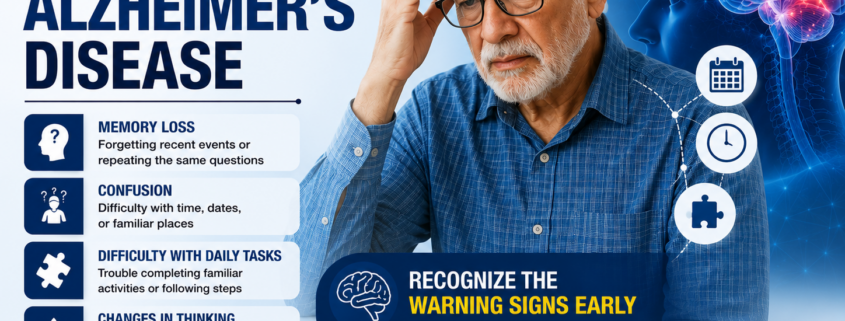
Memory loss related to Alzheimer’s disease is different. It tends to be persistent, progressive, and disruptive to daily activities. A person may repeatedly ask the same questions, forget recently learned information, struggle to follow conversations, or have difficulty completing familiar tasks.
Some warning signs include:
- Frequently forgetting important dates or events
- Repeating questions or stories multiple times
- Getting confused about time, places, or familiar surroundings
- Difficulty managing finances, medications, or daily responsibilities
- Relying heavily on family members for tasks they once handled independently
When Forgetfulness Becomes a Concern
If memory problems begin to affect work, relationships, daily routines, or personal safety, it is important to consult a neurologist. Early evaluation can help identify the cause of memory loss and allow timely treatment if Alzheimer’s disease or another neurological condition is present. Seeking guidance from the best brain specialist in Delhi can improve the chances of early diagnosis and effective management.
Recognizing the difference between normal forgetfulness and concerning memory loss is the first step toward protecting long-term brain health.
Early Signs of Alzheimer’s Disease
Recognizing the early signs of Alzheimer’s disease is important because early diagnosis can help patients receive the right treatment and support. In the beginning, symptoms may be mild and often mistaken for normal aging. However, when these changes become frequent and start affecting daily life, they should not be ignored. Consulting the best brain specialist in Delhi can help identify symptoms early and improve treatment outcomes.
Memory Loss That Disrupts Daily Life
One of the most common early signs of Alzheimer’s disease is forgetting recently learned information. A person may repeatedly ask the same questions, forget important dates, or rely heavily on reminders and family members for information they previously remembered on their own.
Difficulty Planning or Solving Problems
People with Alzheimer’s may find it harder to follow plans, manage finances, pay bills, or solve simple problems. Tasks that were once routine may suddenly become confusing or take much longer to complete.
Trouble Completing Familiar Tasks
Daily activities such as cooking, driving to a familiar location, operating household appliances, or following a regular routine may become difficult. A person may need assistance with tasks they previously handled independently.
Confusion About Time and Place
Individuals may lose track of dates, seasons, or the passage of time. They may also become confused about where they are or how they arrived at a particular location.
Problems with Communication and Language
People with Alzheimer’s often struggle to find the right words during conversations. They may stop in the middle of a sentence, repeat themselves, or have difficulty following discussions.
Frequently Misplacing Items
Misplacing belongings occasionally is normal, but people with Alzheimer’s may place items in unusual locations and be unable to retrace their steps to find them. This can lead to frustration and suspicion toward others.
Poor Judgment and Decision-Making
A person may begin making unusual decisions, such as spending money carelessly, neglecting personal hygiene, or falling victim to scams more easily than before.
Changes in Mood and Personality
Alzheimer’s disease can affect emotions and behavior. Individuals may become anxious, confused, fearful, irritable, or depressed. They may also react differently to situations that previously did not bother them.
Social Withdrawal and Loss of Interest
Many people with early Alzheimer’s start avoiding social gatherings, hobbies, work activities, or family events because they find it difficult to follow conversations or remember information.
If you notice one or more of these symptoms in yourself or a loved one, it is important to seek medical advice promptly. Early evaluation by the best brain specialist in Delhi can help determine the cause of memory problems and allow timely memory loss treatment.
Causes and Risk Factors for Alzheimer’s Disease
Many people wonder why Alzheimer’s disease develops and whether it can be prevented. While there is no single cause, researchers have identified several factors that may increase the risk of developing Alzheimer’s disease and memory loss. Understanding these risk factors can help individuals make informed decisions about their brain health and seek early medical evaluation from the best brain specialist in Delhi when necessary.
Increasing Age
Age is the strongest risk factor for Alzheimer’s disease. The condition is most commonly diagnosed in people over the age of 65. However, growing older does not automatically mean a person will develop Alzheimer’s. Many older adults maintain healthy cognitive function throughout their lives.
Family History and Genetics
Having a close family member with Alzheimer’s disease may increase your risk. Certain genetic factors can make some individuals more susceptible to developing the condition. If multiple family members have experienced dementia or Alzheimer’s, discussing your concerns with a neurologist may be beneficial.
High Blood Pressure, Diabetes, and Heart Disease
Research shows a strong connection between heart health and brain health. Conditions such as high blood pressure, diabetes, high cholesterol, and obesity can affect blood flow to the brain and may increase the risk of cognitive decline over time.
Previous Head Injuries
People who have experienced moderate to severe head injuries may have a higher risk of developing memory problems later in life. Protecting the head during sports, driving, and other activities is important for long-term brain health.
Smoking and Excessive Alcohol Use
Smoking and excessive alcohol consumption can damage blood vessels and negatively affect brain function. Reducing or avoiding these habits may help lower the risk of cognitive decline and support overall neurological health.
Lack of Physical and Mental Activity
An inactive lifestyle may contribute to memory problems as people age. Regular physical exercise, social interaction, reading, learning new skills, and mentally stimulating activities can help keep the brain active and healthy.
Poor Sleep and Chronic Stress
Growing evidence suggests that poor sleep quality and long-term stress may affect memory and cognitive function. Prioritizing good sleep habits and managing stress can play an important role in maintaining brain health.
Can Risk Factors Be Reduced?
Although factors such as age and genetics cannot be changed, many lifestyle-related risks can be managed. Maintaining a healthy diet, staying physically active, controlling medical conditions, getting adequate sleep, and scheduling regular neurological check-ups may help support long-term cognitive health.
If you have concerns about memory changes or a family history of Alzheimer’s disease, consulting the best brain specialist in Delhi can help with early assessment, diagnosis, and personalized guidance.
How Alzheimer’s Disease Is Diagnosed
If memory problems begin to interfere with daily life, getting an accurate diagnosis is essential. Many conditions, including vitamin deficiencies, thyroid disorders, stress, depression, and certain medications, can cause symptoms similar to Alzheimer’s disease. That is why a thorough evaluation by the best brain specialist in Delhi is important to identify the exact cause of memory loss and recommend the most appropriate treatment.
Medical History and Symptom Assessment
The diagnostic process usually begins with a detailed discussion about symptoms, medical history, and lifestyle factors. The doctor may ask questions about memory changes, daily functioning, mood, sleep patterns, and family history of Alzheimer’s disease or dementia.
Family members are often asked to share their observations, as they may notice changes that the patient is unaware of.
Neurological Examination
A neurologist performs a comprehensive neurological examination to evaluate brain and nervous system function. This may include assessing:
- Memory and concentration
- Speech and language abilities
- Balance and coordination
- Reflexes and muscle strength
- Problem-solving and reasoning skills
These assessments help identify patterns that may indicate Alzheimer’s disease or another neurological condition.
Cognitive and Memory Tests
Specialized cognitive tests are used to measure memory, attention, language skills, and thinking abilities. These tests help determine whether cognitive changes are within the normal range for age or suggest a more serious condition.
The results also help doctors understand the severity of symptoms and monitor changes over time.
Brain Imaging Tests
Brain imaging plays an important role in diagnosis. Common imaging tests include:
- MRI (Magnetic Resonance Imaging) to evaluate brain structure
- CT Scan to identify abnormalities such as stroke or tumors
- PET Scan in selected cases to assess brain activity and detect changes associated with Alzheimer’s disease
These tests help rule out other causes of memory loss and provide valuable information about brain health.
Blood Tests and Other Investigations
Blood tests may be recommended to check for conditions that can affect memory, including:
- Vitamin B12 deficiency
- Thyroid disorders
- Infections
- Metabolic abnormalities
Identifying and treating these conditions can sometimes improve memory and cognitive function.
Why Early Diagnosis Matters
Many people delay seeking medical attention because they assume memory problems are a normal part of aging. However, early diagnosis allows for timely treatment, better symptom management, and improved planning for the future. It also gives patients and their families access to support services and strategies that can enhance quality of life.
If you or a loved one experiences persistent memory loss, confusion, or changes in thinking abilities, consulting the best brain specialist in Delhi can help ensure an accurate diagnosis and early intervention.
Memory Loss Treatment Options
Many people diagnosed with Alzheimer’s disease worry that nothing can be done to help. While there is currently no cure for Alzheimer’s disease, several treatment options can help manage symptoms, improve daily functioning, and enhance quality of life. The most effective approach depends on the cause and severity of memory loss, making an evaluation by the best brain specialist in Delhi an important first step.
Medications for Alzheimer’s Disease
Doctors may prescribe medications to help manage symptoms related to memory, thinking, and daily functioning. These medications do not cure Alzheimer’s disease, but they may help some individuals maintain cognitive function for a longer period.
The type of medication recommended depends on the stage of the disease and the patient’s overall health condition.
Cognitive Rehabilitation and Memory Training
Cognitive rehabilitation focuses on strengthening mental abilities through structured exercises and activities. Memory training techniques can help individuals improve organization, recall important information, and maintain independence in daily life.
Activities may include:
- Memory exercises
- Problem-solving tasks
- Brain games and puzzles
- Learning new skills
Lifestyle Changes That Support Brain Health
Healthy lifestyle habits play an important role in managing memory loss and supporting overall brain function. Research suggests that certain lifestyle modifications may help slow cognitive decline and improve quality of life.
Key recommendations include:
- Regular physical activity
- A balanced and nutritious diet
- Adequate sleep
- Stress management
- Avoiding smoking and excessive alcohol consumption
Physical Exercise and Mental Stimulation
Exercise improves blood flow to the brain and supports overall neurological health. Walking, yoga, swimming, and other physical activities can be beneficial.
Keeping the brain active is equally important. Reading, socializing, learning new hobbies, and engaging in mentally challenging activities can help maintain cognitive function.
Managing Other Health Conditions
Conditions such as high blood pressure, diabetes, high cholesterol, depression, and sleep disorders can affect memory and cognitive performance. Proper management of these conditions is an important part of a comprehensive memory loss treatment plan.
Support for Patients and Families
Memory loss affects not only the individual but also their family members and caregivers. Education, counseling, support groups, and caregiver resources can help families better understand the condition and manage daily challenges more effectively.
Is Early Treatment Important?
Yes. Early diagnosis and treatment provide the best opportunity to manage symptoms and maintain independence for as long as possible. Seeking medical care when symptoms first appear can help patients access treatment options sooner and improve long-term outcomes.
If you notice persistent memory problems, confusion, or difficulty performing everyday tasks, consulting the best brain specialist in Delhi can help determine the cause and create a personalized treatment plan tailored to your needs.
Can Alzheimer’s Disease Be Prevented or Delayed?
There is currently no guaranteed way to prevent Alzheimer’s disease, but research suggests that certain healthy lifestyle habits may help reduce the risk of cognitive decline and support long-term brain health. While factors such as age and genetics cannot be changed, many other risk factors can be managed through proactive choices and regular medical care. Consulting the best brain specialist in Delhi can help you understand your individual risk and develop strategies to maintain cognitive function as you age.
Stay Physically Active
Regular exercise is one of the most effective ways to support brain health. Physical activity improves blood flow to the brain, helps control weight, and reduces the risk of conditions such as high blood pressure and diabetes.
Experts recommend at least 150 minutes of moderate exercise per week, including activities such as walking, cycling, swimming, or yoga.
Follow a Brain-Healthy Diet
A nutritious diet provides the brain with essential nutrients needed for optimal function. Foods that may support cognitive health include:
- Leafy green vegetables
- Fresh fruits and berries
- Nuts and seeds
- Whole grains
- Fish rich in omega-3 fatty acids
Limiting processed foods, excess sugar, and unhealthy fats may also benefit brain health.
Keep Your Mind Active
Just as physical exercise strengthens the body, mental activities help keep the brain engaged. Challenging your mind regularly may help maintain memory and thinking skills.
Helpful activities include:
- Reading books
- Solving puzzles
- Learning a new language
- Playing musical instruments
- Developing new hobbies
Prioritize Quality Sleep
Sleep plays a vital role in memory formation and brain function. Poor sleep quality and untreated sleep disorders have been linked to cognitive decline.
Most adults should aim for 7–9 hours of quality sleep each night to support overall brain health.
Manage Stress Effectively
Chronic stress can affect memory, concentration, and emotional well-being. Practicing stress-management techniques such as meditation, deep breathing, yoga, and regular physical activity may help protect cognitive function.
Control Chronic Health Conditions
Managing conditions such as high blood pressure, diabetes, obesity, and high cholesterol can help reduce the risk of memory problems later in life. Regular health check-ups and following medical advice are important for maintaining both heart and brain health.
Maintain Social Connections
Social interaction helps keep the brain active and may reduce the risk of cognitive decline. Spending time with family, friends, and community groups can support emotional and mental well-being.
The Importance of Regular Brain Health Check-Ups
Even if you feel healthy, regular neurological evaluations can help identify early cognitive changes before they become severe. Early detection allows for timely intervention and better management of potential memory-related conditions.
While Alzheimer’s disease cannot always be prevented, adopting healthy habits and seeking guidance from the best brain specialist in Delhi can help support brain health and improve overall quality of life.
When Should You See a Neurologist for Memory Loss?
Occasionally forgetting a name or misplacing your keys is usually not a cause for concern. However, when memory problems become frequent, worsen over time, or start affecting daily life, it is important to seek medical attention. Consulting the best brain specialist in Delhi can help determine whether memory changes are related to normal aging, Alzheimer’s disease, or another neurological condition.
Warning Signs That Should Not Be Ignored
You should consider seeing a neurologist if you or a loved one experiences:
- Frequent memory loss that disrupts daily activities
- Repeating the same questions or conversations
- Difficulty following instructions or solving simple problems
- Confusion about time, dates, or familiar places
- Trouble finding the right words during conversations
- Changes in mood, personality, or behavior
- Difficulty managing finances, medications, or household responsibilities
- Withdrawal from social activities and hobbies
These symptoms may indicate cognitive impairment that requires professional evaluation.
Why Early Evaluation Is Important
Many people assume memory problems are a normal part of aging and delay seeking help. However, early diagnosis can make a significant difference in treatment and long-term care planning.
An early evaluation can help:
- Identify the underlying cause of memory loss
- Rule out treatable medical conditions
- Start appropriate treatment sooner
- Slow symptom progression in some cases
- Improve quality of life for patients and families
Conditions That Can Mimic Alzheimer’s Disease
Not all memory problems are caused by Alzheimer’s disease. Several medical conditions can produce similar symptoms, including:
- Vitamin deficiencies
- Thyroid disorders
- Depression and anxiety
- Sleep disorders
- Medication side effects
- Stroke and other neurological conditions
A neurologist can perform the necessary tests to identify the exact cause and recommend the right treatment plan.
What to Expect During a Neurology Consultation
During your appointment, the neurologist may review your medical history, discuss symptoms, perform cognitive assessments, and recommend diagnostic tests if needed. This comprehensive evaluation helps create a personalized treatment strategy based on your specific needs.
Don’t Wait for Symptoms to Worsen
Memory loss is often easier to manage when detected early. If you notice persistent forgetfulness, confusion, or changes in thinking abilities, seeking timely medical care can provide clarity, reassurance, and access to effective treatment options.
Consulting the best brain specialist in Delhi at the first signs of cognitive decline can help ensure an accurate diagnosis and the best possible approach to preserving brain health.
Expert Alzheimer’s and Memory Loss Care by Dr. Aparna Gupta
When dealing with memory problems, choosing an experienced neurologist is one of the most important decisions you can make. Early diagnosis and personalized treatment can significantly improve quality of life and help patients maintain independence for longer. Patients looking for the best brain specialist in Delhi often seek expert care that combines advanced neurological knowledge with a patient-centered approach.
About Dr. Aparna Gupta
Dr. Aparna Gupta is a highly experienced neurologist with more than 22 years of experience in diagnosing and treating neurological disorders. She specializes in managing conditions that affect memory, cognition, and overall brain health, including Alzheimer’s disease, dementia, stroke, headaches, epilepsy, and movement disorders.
Her approach focuses on understanding each patient’s symptoms, medical history, and individual needs to develop a personalized treatment plan.
Specialized Care for Memory Disorders
Memory loss can occur for many reasons, ranging from normal aging and vitamin deficiencies to Alzheimer’s disease and other forms of dementia. Dr. Aparna Gupta provides comprehensive evaluations to identify the underlying cause and recommend the most appropriate treatment strategy.
Areas of expertise include:
- Alzheimer’s disease diagnosis and management
- Dementia assessment and treatment
- Memory loss evaluation
- Cognitive decline management
- Brain health monitoring
- Neurological care for older adults
Personalized Treatment Approach
Every patient experiences memory loss differently. Therefore, treatment plans are tailored according to the severity of symptoms, medical history, lifestyle factors, and overall health condition.
Treatment may include:
- Medication management
- Cognitive rehabilitation strategies
- Lifestyle modification guidance
- Risk factor management
- Regular follow-up and monitoring
Why Early Neurological Consultation Matters
Many neurological conditions respond better when diagnosed early. Seeking medical advice at the first signs of memory decline can help patients access treatment sooner and make informed decisions about future care.
Benefits of early consultation include:
- Accurate diagnosis
- Timely treatment initiation
- Better symptom management
- Improved quality of life
- Support for patients and caregivers
Trusted Care for Long-Term Brain Health
Memory-related conditions often require ongoing monitoring and support. Dr. Aparna Gupta works closely with patients and their families to provide guidance throughout every stage of diagnosis and treatment, helping them navigate challenges with confidence and clarity.
If you or a loved one is experiencing memory problems, consulting Dr. Aparna Gupta, regarded by many patients as one of the best brain specialists in Delhi, can be an important step toward understanding the cause of symptoms and receiving expert neurological care.
Why Choose Neuro Clinic Plus for Memory Loss Treatment?
Finding the right neurological care is essential when dealing with memory problems, Alzheimer’s disease, or other cognitive disorders. At Neuro Clinic Plus, patients receive comprehensive evaluation, accurate diagnosis, and personalized treatment under the guidance of experienced neurological specialists. Individuals searching for the best brain specialist in Delhi often look for a clinic that combines expertise, advanced diagnostics, and compassionate patient care.
Comprehensive Memory Assessment
Memory loss can have multiple causes, making accurate diagnosis critical. At Neuro Clinic Plus, patients undergo a detailed assessment that may include:
- Medical history review
- Neurological examination
- Cognitive and memory testing
- Evaluation of risk factors
- Personalized treatment planning
This comprehensive approach helps identify the underlying cause of memory problems and ensures appropriate treatment recommendations.
Expert Neurological Care
Neuro Clinic Plus focuses on the diagnosis and management of various neurological conditions, including:
- Alzheimer’s disease
- Dementia
- Memory disorders
- Stroke-related cognitive impairment
- Parkinson’s disease
- Other neurological conditions affecting brain function
The clinic emphasizes evidence-based treatment and long-term patient support.
Personalized Treatment Plans
Every patient has unique symptoms, medical conditions, and treatment goals. Neuro Clinic Plus develops individualized care plans designed to address specific needs and improve overall quality of life.
Treatment strategies may include:
- Medication management
- Cognitive rehabilitation
- Lifestyle modification guidance
- Risk factor management
- Regular follow-up care
Advanced Diagnostic Support
Early and accurate diagnosis plays a key role in effective memory loss treatment. Neuro Clinic Plus utilizes appropriate diagnostic evaluations and neurological assessments to help identify cognitive disorders at an early stage whenever possible.
Patient and Caregiver Support
Memory disorders affect not only patients but also their families. The clinic provides education, guidance, and support to help caregivers better understand the condition and manage day-to-day challenges.
A Commitment to Brain Health
Neuro Clinic Plus is dedicated to helping patients maintain cognitive function, manage symptoms effectively, and improve their overall well-being. Through a combination of clinical expertise, personalized care, and ongoing support, the clinic aims to deliver the highest standard of neurological care.
For individuals experiencing memory problems, consulting the team at Neuro Clinic Plus and the best brain specialist in Delhi can help ensure timely diagnosis, effective treatment, and comprehensive support throughout the journey of care.
Frequently Asked Questions (FAQs)
1. What are the earliest signs of Alzheimer’s disease?
The earliest signs of Alzheimer’s disease often include forgetting recently learned information, repeating questions, misplacing items, difficulty finding words, and confusion with time or place. These symptoms may gradually worsen and begin affecting daily activities.
2. Is memory loss always a sign of Alzheimer’s disease?
No. Memory loss can occur due to aging, stress, depression, sleep disorders, vitamin deficiencies, medication side effects, or other medical conditions. A proper neurological evaluation is needed to determine the exact cause.
3. What is the difference between normal forgetfulness and Alzheimer’s disease?
Normal forgetfulness may involve occasionally misplacing items or forgetting names but remembering them later. In Alzheimer’s disease, memory problems are persistent, progressive, and interfere with everyday life and independence.
4. At what age does Alzheimer’s disease usually develop?
Alzheimer’s disease most commonly affects people over the age of 65. However, some individuals may develop early-onset Alzheimer’s disease before the age of 65.
5. Can Alzheimer’s disease be cured?
Currently, there is no cure for Alzheimer’s disease. However, early diagnosis and appropriate treatment can help manage symptoms, slow progression in some cases, and improve quality of life.
6. How is Alzheimer’s disease diagnosed?
Doctors diagnose Alzheimer’s disease through a combination of medical history review, neurological examinations, cognitive assessments, brain imaging tests, and laboratory investigations to rule out other causes of memory loss.
7. What treatments are available for memory loss?
Memory loss treatment may include medications, cognitive rehabilitation, lifestyle modifications, physical exercise, brain-training activities, and management of underlying medical conditions contributing to cognitive decline.
8. Can lifestyle changes help reduce the risk of Alzheimer’s disease?
Yes. Regular exercise, a healthy diet, quality sleep, stress management, social engagement, and controlling conditions such as diabetes and high blood pressure may help support long-term brain health and reduce the risk of cognitive decline.
9. When should I see a neurologist for memory problems?
You should consult a neurologist if memory problems become frequent, worsen over time, affect daily activities, cause confusion, or interfere with work, relationships, or personal safety.
10. Is Alzheimer’s disease hereditary?
Having a family history of Alzheimer’s disease may increase your risk, but it does not mean you will definitely develop the condition. Both genetic and lifestyle factors play a role in Alzheimer’s disease risk.
11. Can younger people develop Alzheimer’s disease?
Yes. Although less common, early-onset Alzheimer’s disease can affect individuals younger than 65 years of age. Early diagnosis is important for effective management and future planning.
12. Why choose Dr. Aparna Gupta and Neuro Clinic Plus for memory loss treatment?
Dr. Aparna Gupta has more than 22 years of experience in neurology and specializes in diagnosing and managing Alzheimer’s disease, dementia, and memory disorders. At Neuro Clinic Plus, patients receive comprehensive neurological evaluations, personalized treatment plans, and ongoing support for long-term brain health.
Conclusion
Alzheimer’s disease is more than just occasional forgetfulness. It is a progressive neurological condition that can affect memory, thinking, behavior, and the ability to perform everyday activities. Recognizing the early signs of Alzheimer’s disease is essential because timely diagnosis can lead to better symptom management, improved quality of life, and access to appropriate support and treatment options.
While there is currently no cure for Alzheimer’s disease, advances in memory loss treatment have made it possible to help many patients maintain independence and manage symptoms more effectively. Healthy lifestyle habits, early medical intervention, and regular neurological evaluations can all play an important role in protecting long-term brain health.
If you or a loved one is experiencing persistent memory problems, confusion, or changes in cognitive function, it is important not to ignore these symptoms. Seeking expert medical advice can help identify the underlying cause and ensure the right treatment plan is started as early as possible.
For comprehensive evaluation and personalized care, consulting Dr. Aparna Gupta at Neuro Clinic Plus, recognized by many patients as the best brain specialist in Delhi, can be an important step toward better brain health and improved quality of life.