Tag Archive for: Balance Problems

vertigo specialist in delhi

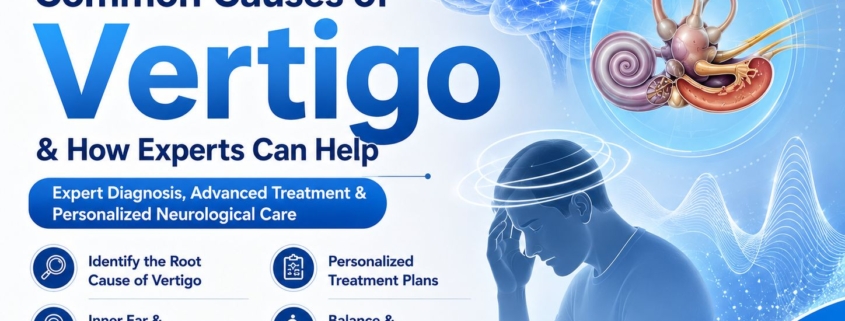
Vertigo is a common balance-related condition that creates a false feeling of spinning, dizziness, or movement even when a person is still. It can affect daily activities such as walking, working, or maintaining balance. The condition may occur due to inner ear problems, neurological disorders, migraine, or other health-related factors, making proper diagnosis important.

Consulting a Vertigo Specialist in Delhi can help identify the exact cause and provide a personalized treatment approach. At Neuro Clinic Plus, Dr. Aparna Gupta offers expert evaluation for vertigo and balance disorders with advanced neurological care. Patients looking for a vertigo specialist in safdarjung can receive comprehensive diagnosis, symptom management, and long-term guidance for better recovery.

What Is Vertigo?

Understanding the Condition

Vertigo is a sensation where a person feels that they or their surroundings are moving, spinning, or tilting, even when there is no actual movement. It is different from normal dizziness because it mainly affects the body’s balance and spatial awareness system. Vertigo usually occurs when there is a problem with the inner ear, brain, or nervous system.

Symptoms and Causes

The condition can range from mild episodes to severe balance problems that affect daily life. A detailed evaluation by a Vertigo Specialist in Delhi helps determine whether the cause is related to an ear disorder, migraine, or neurological issue.

Diagnosis and Treatment

With expert assessment from a vertigo specialist in safdarjung, patients can receive an accurate diagnosis and suitable treatment based on their symptoms.

Common Causes of Vertigo

Inner Ear-Related Causes

The inner ear plays an important role in maintaining body balance. When the vestibular system is disturbed, it can lead to vertigo symptoms.

Benign Paroxysmal Positional Vertigo (BPPV)

One of the most common causes of vertigo is Benign Paroxysmal Positional Vertigo (BPPV). It happens when tiny calcium crystals move inside the inner ear and create spinning sensations during head movements.

Other Inner Ear Conditions

Several other inner ear disorders can also cause vertigo, including:

  • Meniere’s disease
  • Vestibular neuritis
  • Labyrinthitis

These conditions may lead to dizziness, imbalance, and hearing-related problems.

Diagnosis and Treatment

A proper evaluation by a Vertigo Specialist in Delhi helps identify the exact cause and choose the right treatment approach. Patients consulting a vertigo specialist in safdarjung can receive expert guidance for managing balance disorders effectively.

Neurological Causes of Vertigo

Brain and Nerve-Related Factors

Vertigo can develop due to neurological conditions that affect the brain, nerves, and balance control system. When the parts of the brain responsible for coordination and movement are affected, a person may experience dizziness, unsteadiness, and difficulty maintaining balance.

Common Neurological Conditions

Some of the most common neurological causes of vertigo include vestibular migraine, stroke-related balance problems, multiple sclerosis, and other nervous system disorders. These conditions may interfere with normal balance signals and lead to recurring or sudden episodes of vertigo.

When to Seek Immediate Help

In certain cases, vertigo may appear suddenly along with symptoms such as weakness, speech difficulty, or a severe headache. These warning signs may indicate a serious medical issue and require immediate attention.

Diagnosis and Specialist Care

A detailed neurological assessment by a Vertigo Specialist in Delhi can help determine whether vertigo is linked to brain or nerve-related problems. Consulting a vertigo specialist in safdarjung can support accurate diagnosis, personalized treatment planning, and long-term symptom management.

What Are the Common Symptoms of Vertigo?

Recognizing the Warning Signs

The symptoms of vertigo can vary depending on its underlying cause and severity. Some people experience brief episodes, while others may have recurring attacks that interfere with everyday activities. Identifying these symptoms early can help prevent complications and improve treatment outcomes.

Common Symptoms

Some of the most frequently reported symptoms include:

  • Spinning sensation
  • Loss of balance
  • Difficulty walking
  • Nausea and vomiting
  • Blurred vision
  • Head movement sensitivity
  • Ringing in the ears (Tinnitus)
  • Hearing changes
  • Feeling unsteady while standing

When Should You Consult a Specialist?

If these symptoms occur repeatedly or become more severe, consulting a Vertigo Specialist in Delhi is essential for identifying the underlying cause. Patients seeking expert care from a vertigo specialist in safdarjung can receive a comprehensive neurological evaluation and personalized treatment to restore balance and improve their quality of life.

Types of Vertigo

Peripheral Vertigo

Peripheral vertigo is the most common type and occurs due to problems in the inner ear or vestibular nerve. Conditions such as BPPV, Meniere’s disease, and vestibular neuritis are common causes. People often experience sudden spinning sensations, nausea, and difficulty maintaining balance.

Central Vertigo

Central vertigo develops because of disorders affecting the brain or central nervous system. It may be associated with conditions like stroke, vestibular migraine, multiple sclerosis, or brain injuries. Symptoms are often more severe and may occur with coordination problems or vision changes.

Why Identifying the Type Matters

Determining the exact type of vertigo is essential for effective treatment. An experienced Vertigo Specialist in Delhi can perform a detailed neurological evaluation to identify the underlying condition. Patients seeking care from a vertigo specialist in safdarjung receive personalized diagnosis and treatment plans based on the specific type and severity of vertigo.

How Is Vertigo Diagnosed?

Comprehensive Medical Evaluation

Diagnosing vertigo begins with a detailed assessment of your medical history, symptoms, and overall health. The doctor may ask about the frequency of dizziness, its duration, triggering factors, medications, and any previous neurological or ear-related conditions to determine the possible cause.

Neurological Examination and Diagnostic Tests

A complete neurological examination may include balance assessment, eye movement evaluation, coordination tests, hearing assessment, and vestibular function tests. Depending on the symptoms, imaging tests such as MRI or CT scans may also be recommended to rule out neurological disorders or structural abnormalities.

Accurate Diagnosis for Effective Treatment

An experienced Vertigo Specialist in Delhi uses advanced diagnostic techniques to identify the root cause of vertigo and develop a personalized treatment plan. Patients consulting a vertigo specialist in safdarjung benefit from comprehensive neurological care designed to improve balance, reduce symptoms, and prevent future episodes.

How Can Experts Help in Treating Vertigo?

Personalized Treatment Based on the Root Cause

The treatment for vertigo depends on its underlying cause. After an accurate diagnosis, specialists create a personalized treatment plan that may include medications, vestibular rehabilitation therapy, lifestyle modifications, and repositioning maneuvers for conditions such as BPPV. Patients with neurological causes may require specialized treatment and ongoing monitoring.

Comprehensive Care for Long-Term Relief

Managing vertigo is not only about relieving dizziness but also about preventing future episodes and improving balance. Regular follow-ups, patient education, and rehabilitation exercises play an important role in long-term recovery and reducing the risk of falls.

Expert Neurological Care

Consulting a Vertigo Specialist in Delhi ensures that every patient receives evidence-based treatment tailored to their condition. Individuals looking for a vertigo specialist in safdarjung can benefit from advanced neurological evaluation, personalized care, and continuous support for better health outcomes.

Why Choose Dr. Aparna Gupta for Vertigo Treatment?

Experienced Neurologist with Patient-Centered Care

Dr. Aparna Gupta is a highly experienced neurologist with 22+ years of expertise in diagnosing and treating neurological disorders. She holds MBBS, MD (General Medicine), and DNB (Neurology) qualifications and is known for providing evidence-based, personalized treatment for patients experiencing vertigo, dizziness, migraine, stroke, epilepsy, and other neurological conditions.

Advanced Diagnosis and Personalized Treatment

Dr. Aparna Gupta focuses on identifying the root cause of vertigo through comprehensive neurological evaluation and modern diagnostic techniques. Every treatment plan is tailored to the patient’s medical condition, lifestyle, and recovery goals to achieve better long-term outcomes.

Trusted Neurological Care in Delhi

Patients looking for a Vertigo Specialist in Delhi can rely on Dr. Aparna Gupta for compassionate and comprehensive neurological care. Those searching for a vertigo specialist in safdarjung can visit Neuro Clinic Plus for expert consultation, accurate diagnosis, and personalized treatment under one roof.

About Neuro Clinic Plus

Comprehensive Neurology Care Under One Roof

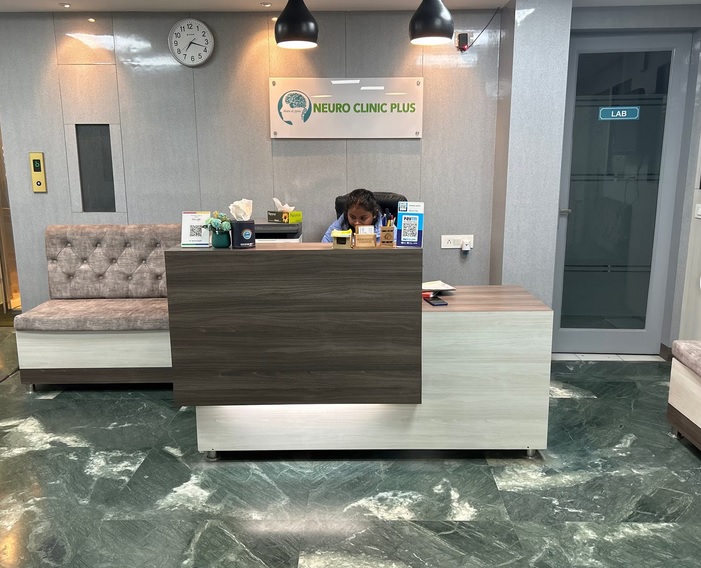
Neuro Clinic Plus is a dedicated neurology clinic in Safdarjung Enclave, Delhi, offering comprehensive evaluation and treatment for a wide range of neurological disorders. The clinic is equipped to diagnose and manage conditions such as vertigo, migraine, epilepsy, stroke, Parkinson’s disease, neuropathy, dementia, and other nerve-related disorders using a patient-focused approach.

Advanced Care with Personalized Attention

The clinic emphasizes accurate diagnosis, evidence-based treatment, and long-term patient care. Every patient receives sufficient consultation time, detailed assessments, and customized treatment plans designed to improve recovery and overall quality of life.

Trusted Choice for Neurological Disorders

Patients searching for a Vertigo Specialist in Delhi can benefit from the specialized neurological services available at Neuro Clinic Plus. Those looking for a vertigo specialist in safdarjung can expect compassionate care, advanced diagnostic support, and continuous follow-up to effectively manage vertigo and other neurological conditions.

Frequently Asked Questions (FAQs)

1. What is vertigo?

Vertigo is a condition that creates a false sensation of spinning or movement, even when you are standing still. It is usually caused by problems affecting the inner ear, vestibular system, or certain neurological conditions.

2. What are the most common causes of vertigo?

Common causes include Benign Paroxysmal Positional Vertigo (BPPV), Meniere’s disease, vestibular neuritis, vestibular migraine, stroke, and other neurological disorders. A proper medical evaluation helps determine the exact cause.

3. What are the common symptoms of vertigo?

Symptoms may include spinning sensation, dizziness, loss of balance, nausea, vomiting, blurred vision, ringing in the ears, hearing changes, and difficulty walking. The severity varies depending on the underlying condition.

4. When should I see a doctor for vertigo?

You should consult a doctor if vertigo is frequent, severe, lasts for several minutes, causes repeated falls, or occurs with symptoms like weakness, double vision, slurred speech, or severe headache.

5. How is vertigo diagnosed?

Doctors diagnose vertigo through a detailed medical history, neurological examination, balance assessment, eye movement tests, hearing evaluation, and imaging tests such as MRI or CT scans when required.

6. Can vertigo be treated permanently?

Many cases of vertigo can be effectively treated or controlled once the underlying cause is identified. Treatment may include medications, vestibular rehabilitation, repositioning maneuvers, or lifestyle modifications.

7. Which doctor should I consult for vertigo?

If your dizziness is persistent or associated with neurological symptoms, consulting a Vertigo Specialist in Delhi or an experienced neurologist can help identify the cause and provide the appropriate treatment.

8. Can stress or anxiety cause vertigo?

Stress and anxiety do not directly cause vertigo but can trigger dizziness or worsen existing balance disorders. Managing stress alongside medical treatment often helps improve symptoms.

9. Is vertigo a sign of a serious neurological problem?

Not always. Many cases are caused by inner ear disorders. However, sudden vertigo accompanied by weakness, difficulty speaking, or vision changes may indicate a neurological emergency and requires immediate medical attention.

10. How long does a vertigo episode usually last?

The duration depends on the cause. Some episodes last only a few seconds, while others may continue for several minutes, hours, or even days if left untreated.

11. Why should I choose a vertigo specialist in Safdarjung?

A vertigo specialist in safdarjung can provide comprehensive neurological evaluation, advanced diagnostic testing, and personalized treatment plans to effectively manage vertigo and improve long-term balance.

12. Why choose Dr. Aparna Gupta for vertigo treatment?

Dr. Aparna Gupta has 22+ years of experience in neurology and provides evidence-based care for vertigo, migraine, stroke, epilepsy, and other neurological conditions. Her patient-focused approach ensures accurate diagnosis and personalized treatment.

Conclusion

Vertigo can result from a variety of conditions, including inner ear disorders, neurological diseases, vestibular migraine, and balance-related problems. Since the symptoms and causes differ from one person to another, obtaining an accurate diagnosis is essential for choosing the most effective treatment and preventing recurring episodes.

Seeking timely care from a Vertigo Specialist in Delhi can help identify the underlying cause and improve your quality of life through personalized treatment. If you are looking for a vertigo specialist in safdarjung, Dr. Aparna Gupta at Neuro Clinic Plus offers comprehensive neurological evaluation, advanced diagnostic support, and patient-focused care to help you regain balance, confidence, and long-term well-being.
best parkinson's specialist in safdarjung

Parkinson’s disease is a progressive neurological disorder that affects movement, balance, coordination, and muscle control. It develops gradually as the brain produces less dopamine, a chemical responsible for smooth and coordinated body movements. Because the early symptoms are often mild, many people mistake them for signs of aging or temporary fatigue. If you notice persistent tremors, stiffness, or slowed movement, consulting a Parkinson’s specialist in Safdarjung can help ensure an accurate diagnosis and timely treatment.

Recognizing the first symptoms of Parkinson’s disease is essential because early diagnosis allows doctors to begin treatment sooner, helping manage symptoms more effectively and maintain a better quality of life. While Parkinson’s disease cannot currently be cured, modern treatment options, rehabilitation therapies, and lifestyle modifications can significantly improve daily functioning and independence.

In this guide, you’ll learn about the early warning signs, risk factors, diagnostic process, and available treatment options for Parkinson’s disease. If you or a loved one is experiencing concerning neurological symptoms, consulting the best Parkinson’s specialist in Safdarjung can help you receive a comprehensive evaluation and a personalized treatment plan based on your individual needs.

What Is Parkinson’s Disease?

Parkinson’s disease is a chronic and progressive neurological disorder that primarily affects the body’s ability to control movement. It occurs when dopamine-producing nerve cells in a part of the brain called the substantia nigra gradually become damaged or die. As dopamine levels decrease, communication between the brain and muscles is disrupted, leading to symptoms such as tremors, muscle stiffness, slowed movements, and balance problems.

Although Parkinson’s disease is more common in older adults, it is not a normal part of aging. The condition can also affect younger individuals in some cases. Because the symptoms usually develop slowly and worsen over time, many people ignore the early warning signs until daily activities become difficult. Seeking medical advice from a Parkinson’s specialist in Safdarjung at the first sign of persistent neurological symptoms can help ensure an accurate diagnosis and timely management.

In addition to affecting movement, Parkinson’s disease can also cause non-motor symptoms, including sleep disturbances, constipation, depression, anxiety, loss of smell, and cognitive changes. Since these symptoms may appear years before noticeable movement problems, a comprehensive neurological evaluation is essential. Consulting the best Parkinson’s specialist in Safdarjung can help identify the condition early and create a personalized treatment plan that supports long-term brain health, mobility, and overall quality of life.

What Are the First Symptoms of Parkinson’s Disease?

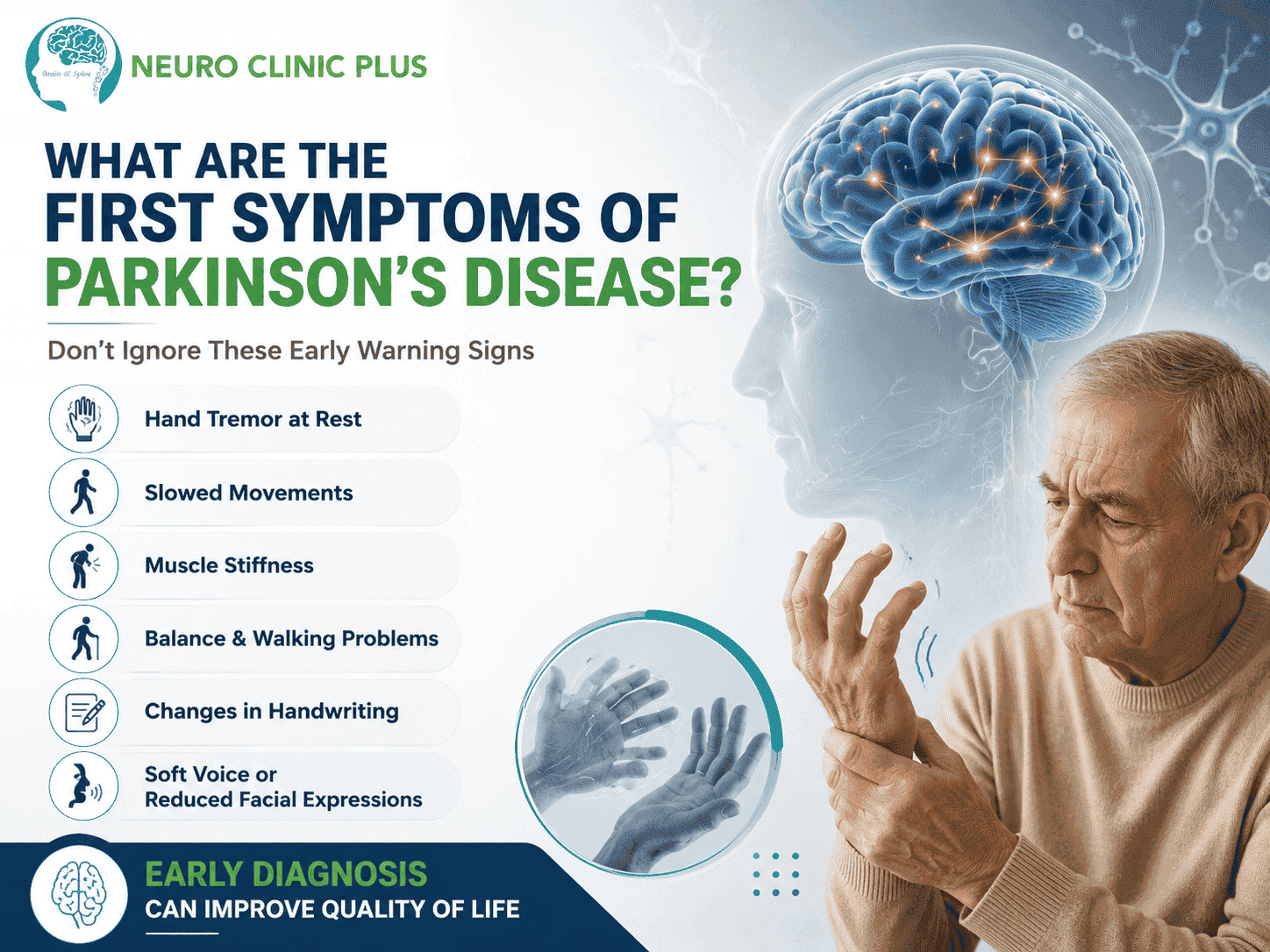
The first symptoms of Parkinson’s disease often develop gradually and may be so mild that they are easy to overlook. In many cases, the symptoms begin on one side of the body before affecting both sides as the condition progresses. Recognizing these early warning signs and consulting a Parkinson’s specialist in Safdarjung can lead to an earlier diagnosis and more effective symptom management.

Tremor (Shaking)

A resting tremor is one of the most recognizable early signs of Parkinson’s disease. It usually starts in one hand, finger, thumb, or arm and is most noticeable when the affected body part is at rest. The shaking often decreases during voluntary movement but may return when the body is relaxed. Although not everyone with Parkinson’s experiences tremors, persistent shaking should always be evaluated by a neurologist.

Slowness of Movement (Bradykinesia)

Bradykinesia, or slowed movement, can make everyday activities such as walking, dressing, writing, or getting out of a chair more difficult. People may notice shorter steps, reduced arm swing, or take longer to complete routine tasks. This symptom can significantly affect independence if left untreated.

Muscle Stiffness (Rigidity)

Muscle rigidity causes stiffness in the arms, legs, neck, or shoulders, making movement uncomfortable and less flexible. Some individuals experience muscle pain, reduced range of motion, or difficulty turning in bed. The stiffness may occur even when the muscles are at rest and can interfere with normal daily activities.

Changes in Handwriting (Micrographia)

One of the lesser-known early signs is micrographia, where a person’s handwriting becomes smaller, cramped, and difficult to read. If your handwriting has changed noticeably without another obvious cause, it could be an early indicator of Parkinson’s disease and should not be ignored.

Balance and Posture Problems

People with early Parkinson’s may begin to experience poor balance, stooped posture, or a feeling of being unsteady while walking. These changes can increase the risk of falls and make everyday movements more challenging. Early assessment by the best Parkinson’s specialist in Safdarjung can help determine whether these symptoms are related to Parkinson’s disease or another neurological condition.

Reduced Facial Expressions and Voice Changes

Parkinson’s disease may also affect the muscles of the face and throat, leading to a masked facial expression, reduced blinking, and a soft or low voice. Family members often notice these subtle changes before the person experiencing them does. Since these symptoms can develop gradually, a comprehensive neurological evaluation is important for accurate diagnosis and timely treatment.

Early Non-Motor Symptoms of Parkinson’s Disease

While tremors and slowed movement are well-known signs of Parkinson’s disease, many people experience non-motor symptoms years before noticeable movement problems appear. These symptoms can affect sleep, digestion, mood, and the senses, making them easy to mistake for other health conditions. Recognizing these early changes and consulting a Parkinson’s specialist in Safdarjung can help with early diagnosis and timely treatment.

Loss of Sense of Smell (Anosmia)

A reduced or complete loss of smell, also known as anosmia, is one of the earliest warning signs of Parkinson’s disease. People may find it difficult to detect familiar scents such as coffee, perfumes, or certain foods. Although loss of smell can occur due to allergies or infections, persistent changes should be evaluated by a neurologist.

Sleep Disorders

Many individuals with Parkinson’s disease experience sleep disturbances, including insomnia, frequent waking during the night, excessive daytime sleepiness, or REM Sleep Behavior Disorder (RBD), where a person physically acts out dreams while sleeping. These symptoms may appear years before movement-related symptoms become noticeable.

Constipation

Chronic constipation is another common early symptom caused by slower movement of the digestive system. If constipation persists despite adequate hydration, a fiber-rich diet, and regular exercise, it may require further neurological evaluation, especially when accompanied by other Parkinson’s symptoms.

Depression and Anxiety

Changes in brain chemistry associated with Parkinson’s disease can contribute to depression, anxiety, loss of motivation, and mood changes. These emotional symptoms are genuine medical manifestations of the disease and may occur long before tremors or stiffness develop.

Fatigue and Reduced Energy

Many people report persistent fatigue, low energy levels, and a general feeling of exhaustion that is not relieved by rest. This can interfere with work, daily responsibilities, and overall quality of life, even during the early stages of Parkinson’s disease.

Why These Symptoms Should Not Be Ignored

Because non-motor symptoms are often subtle and nonspecific, they are frequently overlooked or attributed to aging or stress. However, when these symptoms occur alongside tremors, muscle stiffness, or slowed movements, they may indicate the early stages of Parkinson’s disease. Seeking an evaluation from the best Parkinson’s specialist in Safdarjung can help identify the condition early, rule out other neurological disorders, and develop a personalized treatment plan to improve long-term health and quality of life.

When Should You See a Parkinson’s Specialist?

Knowing when to seek medical attention is essential because the early symptoms of Parkinson’s disease can be subtle and may worsen gradually over time. While an occasional tremor or muscle stiffness does not always indicate Parkinson’s disease, persistent or progressive neurological symptoms should never be ignored. Scheduling an evaluation with a Parkinson’s specialist in Safdarjung can help determine the underlying cause and ensure timely treatment if Parkinson’s disease or another neurological condition is diagnosed.

Signs That You Should Consult a Specialist

You should consider seeing a neurologist if you experience one or more of the following symptoms:

  • Persistent tremor in the hand, fingers, arm, or leg while at rest.
  • Slowed movements (bradykinesia) that make routine tasks difficult.
  • Muscle stiffness or rigidity affecting flexibility and mobility.
  • Balance problems or frequent episodes of stumbling and falls.
  • Changes in handwriting, such as writing becoming unusually small.
  • Loss of sense of smell without an obvious cause.
  • Soft or low voice and reduced facial expressions.
  • Sleep disturbances, including acting out dreams or chronic insomnia.
  • Constipation accompanied by other neurological symptoms.
  • Depression, anxiety, or unexplained mood changes occurring alongside movement difficulties.

Why Early Evaluation Is Important

There is no single blood test that can confirm Parkinson’s disease. Instead, diagnosis relies on a detailed medical history, neurological examination, and careful assessment of symptoms over time. Seeking medical advice early allows doctors to identify Parkinson’s disease sooner, rule out other neurological disorders, and begin appropriate treatment before symptoms significantly affect daily life.

If you notice any of these warning signs in yourself or a loved one, consulting the best Parkinson’s specialist in Safdarjung can provide an accurate diagnosis, personalized treatment recommendations, and ongoing care to help maintain mobility, independence, and quality of life.

How Is Parkinson’s Disease Diagnosed?

Diagnosing Parkinson’s disease requires a comprehensive neurological evaluation, as there is no single laboratory test or blood test that can confirm the condition. Instead, a neurologist carefully reviews your medical history, evaluates your symptoms, and performs a detailed examination of your movement, balance, coordination, muscle strength, and reflexes. If you experience persistent tremors, stiffness, or slowed movements, consulting a Parkinson’s specialist in Safdarjung can help ensure an accurate diagnosis and appropriate treatment plan.

Medical History and Symptom Assessment

The diagnostic process begins with a discussion about your symptoms, when they first appeared, how they have progressed, and whether there is a family history of Parkinson’s disease or other neurological disorders. Your doctor may also ask about sleep problems, loss of smell, constipation, mood changes, and medications, as these factors can provide valuable diagnostic clues.

Comprehensive Neurological Examination

A neurological examination helps assess how well your nervous system is functioning. During the examination, the doctor evaluates:

  • Resting tremor
  • Bradykinesia (slowed movement)
  • Muscle rigidity
  • Balance and posture
  • Walking pattern (gait)
  • Coordination and reflexes
  • Facial expressions and speech

These findings help determine whether your symptoms are consistent with Parkinson’s disease or another neurological condition.

Brain Imaging and Additional Tests

Although MRI or CT scans cannot directly diagnose Parkinson’s disease, they may be recommended to rule out other brain disorders, such as stroke, brain tumors, or normal pressure hydrocephalus, that can cause similar symptoms. In selected cases, specialized imaging studies may also be considered to support the diagnosis when the clinical picture is unclear.

Why an Accurate Diagnosis Matters

Because several neurological conditions can mimic Parkinson’s disease, receiving an early and accurate diagnosis is essential for choosing the most effective treatment. Consulting the best Parkinson’s specialist in Safdarjung ensures a thorough evaluation, timely diagnosis, and a personalized treatment plan tailored to your symptoms, helping improve mobility, daily functioning, and long-term quality of life.

Treatment Options for Parkinson’s Disease

Although Parkinson’s disease cannot be cured, several evidence-based treatment options can effectively manage symptoms, improve mobility, and help individuals maintain their independence. The treatment plan varies depending on the stage of the disease, the severity of symptoms, age, overall health, and lifestyle. Consulting a Parkinson’s specialist in Safdarjung ensures that each patient receives a personalized treatment plan designed to achieve the best possible outcomes.

Medications

Medications are the primary treatment for Parkinson’s disease and aim to increase or mimic the effects of dopamine in the brain. The most commonly prescribed medicine is Levodopa, often combined with Carbidopa, which helps improve tremors, muscle stiffness, and slowed movements. Depending on the patient’s condition, doctors may also recommend dopamine agonists, MAO-B inhibitors, or other medications to manage specific symptoms. Regular follow-up is important because medication doses may need adjustment as the disease progresses.

Physical and Occupational Therapy

Physical therapy plays a vital role in maintaining strength, flexibility, balance, and coordination. A structured exercise program can improve walking, reduce the risk of falls, and enhance overall mobility. Occupational therapy helps patients perform daily activities more easily by teaching practical techniques and recommending assistive devices when needed.

Speech and Swallowing Therapy

As Parkinson’s disease progresses, some individuals may develop soft speech, difficulty speaking clearly, or swallowing problems. Speech therapy helps improve communication, voice projection, and swallowing function, allowing patients to maintain their confidence and reduce the risk of complications such as choking.

Lifestyle Changes and Supportive Care

Healthy lifestyle habits can complement medical treatment and improve overall well-being. Doctors often recommend:

  • Regular physical exercise
  • A balanced and nutritious diet
  • Adequate sleep and stress management
  • Fall prevention strategies
  • Routine neurological follow-up appointments

These measures help patients stay active, maintain independence, and support long-term symptom management.

Advanced Treatment Options

For patients whose symptoms are no longer adequately controlled with medications, advanced therapies may be considered. One of the most effective options is Deep Brain Stimulation (DBS), a surgical procedure that can help reduce tremors, rigidity, and movement fluctuations in carefully selected patients. A neurologist will determine whether advanced treatment is appropriate based on the individual’s condition and response to medication.

Importance of Personalized Care

Parkinson’s disease affects every individual differently, making personalized treatment essential. Regular consultations with the best Parkinson’s specialist in Safdarjung allow treatment plans to be adjusted as symptoms change over time. With early intervention, appropriate medications, rehabilitation therapies, and ongoing medical support, many people with Parkinson’s disease can continue to lead active, productive, and fulfilling lives.

Why Early Diagnosis of Parkinson’s Disease Matters

Early diagnosis of Parkinson’s disease plays a crucial role in managing symptoms, preserving mobility, and improving long-term quality of life. Because the disease progresses gradually, identifying it in its early stages allows doctors to begin treatment before symptoms significantly interfere with daily activities. If you notice persistent tremors, stiffness, or changes in movement, consulting a Parkinson’s specialist in Safdarjung can help you receive timely medical attention and an accurate diagnosis.

Better Symptom Management

Starting treatment early enables doctors to manage tremors, muscle rigidity, slowed movements (bradykinesia), and balance problems more effectively. Appropriate medications, combined with physical therapy, speech therapy, and lifestyle modifications, can help reduce symptoms and support greater independence in everyday life.

Improved Quality of Life

Early intervention allows patients to remain physically active, continue working, and participate in daily routines for a longer period. It also helps maintain mobility, coordination, and confidence, reducing the impact of Parkinson’s disease on personal and professional life.

Prevention of Complications

Without proper treatment, Parkinson’s disease can lead to complications such as frequent falls, swallowing difficulties, speech problems, and reduced mobility. Regular monitoring and timely treatment can help minimize these risks while improving overall health and safety.

Personalized Long-Term Care

Parkinson’s disease affects every individual differently, which is why ongoing neurological follow-up is essential. A specialist can regularly assess your symptoms, adjust medications, recommend rehabilitation therapies, and provide guidance as your condition changes over time. This personalized approach helps patients achieve the best possible outcomes throughout every stage of the disease.

When to Seek Expert Care

If you or a loved one experiences persistent tremors, muscle stiffness, slowed movement, balance issues, or other neurological symptoms, do not delay seeking medical advice. Consulting the best Parkinson’s specialist in Safdarjung ensures a comprehensive evaluation, evidence-based treatment, and continuous support tailored to your individual needs. Early diagnosis and timely intervention can make a significant difference in maintaining independence, daily functioning, and overall well-being.

Why Choose Dr. Aparna Gupta for Parkinson’s Disease Treatment?

Choosing the right neurologist is an important step in managing Parkinson’s disease effectively. Since the condition requires long-term care, accurate diagnosis, and regular follow-up, it is essential to consult an experienced specialist who provides personalized treatment based on each patient’s symptoms and stage of the disease. If you are looking for a Parkinson’s specialist in Safdarjung, Dr. Aparna Gupta offers comprehensive neurological care with a patient-focused and evidence-based approach.

Expertise in Neurological Disorders

Dr. Aparna Gupta specializes in the diagnosis and management of a wide range of neurological conditions, including:

  • Parkinson’s disease
  • Stroke
  • Migraine and chronic headaches
  • Epilepsy and seizures
  • Memory disorders and dementia
  • Neuropathy
  • Movement disorders
  • Vertigo and balance disorders

Her focus is on identifying the root cause of neurological symptoms and creating individualized treatment plans that help patients achieve better long-term outcomes.

Personalized and Evidence-Based Care

Every patient experiences Parkinson’s disease differently. Dr. Aparna Gupta carefully evaluates each individual’s medical history, symptoms, neurological examination findings, and lifestyle before recommending the most appropriate treatment. She emphasizes early diagnosis, accurate clinical assessment, and ongoing monitoring to help patients maintain mobility, independence, and a better quality of life.

Advanced Diagnosis and Long-Term Management

Parkinson’s disease requires continuous care as symptoms evolve over time. Dr. Aparna Gupta provides comprehensive neurological evaluations, medication management, rehabilitation guidance, and regular follow-up consultations to ensure treatment remains effective at every stage of the disease. Her patient-centered approach helps individuals and their families better understand the condition and actively participate in long-term care.

Compassionate Patient Care at Neuro Clinic Plus

At Neuro Clinic Plus, patients receive comprehensive care in a professional and supportive environment. The clinic is equipped to evaluate and manage various neurological disorders using current medical practices and individualized treatment strategies. Patients searching for the best Parkinson’s specialist in Safdarjung can expect thorough consultations, clear communication, and dedicated support throughout their treatment journey.

About Neuro Clinic Plus

Neuro Clinic Plus is a dedicated neurology clinic committed to providing comprehensive diagnosis, treatment, and long-term management for a wide range of brain, spine, nerve, and movement disorders. With a strong focus on patient-centered care, the clinic combines clinical expertise with evidence-based treatment approaches to help patients achieve the best possible neurological outcomes. Individuals seeking a trusted Parkinson’s specialist in Safdarjung can rely on Neuro Clinic Plus for comprehensive neurological evaluation and personalized care.

Comprehensive Neurological Services

At Neuro Clinic Plus, patients receive expert care for various neurological conditions, including:

  • Parkinson’s disease
  • Stroke
  • Migraine and chronic headaches
  • Epilepsy and seizure disorders
  • Memory disorders and dementia
  • Peripheral neuropathy
  • Vertigo and balance disorders
  • Movement disorders
  • Neck pain and back pain related to neurological conditions

Each patient undergoes a detailed assessment to ensure an accurate diagnosis and an individualized treatment plan tailored to their specific condition and health goals.

Personalized Care and Advanced Treatment

The clinic emphasizes early diagnosis, timely intervention, and long-term follow-up to effectively manage neurological disorders. Treatment plans may include medications, rehabilitation guidance, lifestyle recommendations, and ongoing monitoring to help patients maintain mobility, independence, and an improved quality of life. Every treatment decision is based on the latest clinical guidelines and the patient’s individual needs.

Why Patients Choose Neuro Clinic Plus

Patients choose Neuro Clinic Plus because of its commitment to:

  • Experienced neurological care
  • Comprehensive diagnostic evaluation
  • Evidence-based treatment plans
  • Personalized patient attention
  • Long-term disease management
  • Compassionate and ethical medical care

Whether you are experiencing early symptoms of Parkinson’s disease or require ongoing neurological treatment, the best Parkinson’s specialist in Safdarjung at Neuro Clinic Plus is dedicated to providing expert care, accurate diagnosis, and continuous support to help you achieve better neurological health.

Clinic Information

Neuro Clinic Plus
Dr. Aparna Gupta – Consultant Neurologist

Address: B4/18 Basement, Safdarjung Enclave, New Delhi – 110029
Phone: +91-9205022311
Website: draparnagupta.com

Frequently Asked Questions (FAQs)

1. What is usually the first symptom of Parkinson’s disease?

The first symptom of Parkinson’s disease is often a resting tremor that begins in one hand, finger, or arm. Some people may first notice slowed movements (bradykinesia), muscle stiffness, or changes in handwriting. If these symptoms persist, consulting a Parkinson’s specialist in Safdarjung can help with early diagnosis and timely treatment.

2. At what age does Parkinson’s disease usually begin?

Parkinson’s disease is most commonly diagnosed in people over the age of 60, but it can also occur in younger adults. This is known as Young-Onset Parkinson’s Disease. Age is a significant risk factor, but early evaluation is important regardless of when symptoms begin.

3. Is Parkinson’s disease hereditary?

Most cases of Parkinson’s disease are not directly inherited. However, certain genetic mutations and a family history may increase the risk in some individuals. Environmental factors and aging also contribute to the development of the disease.

4. Can Parkinson’s disease be cured?

Currently, there is no cure for Parkinson’s disease. However, medications, physical therapy, speech therapy, lifestyle changes, and, in some cases, Deep Brain Stimulation (DBS) can effectively manage symptoms and improve quality of life.

5. How is Parkinson’s disease diagnosed?

Parkinson’s disease is diagnosed through a detailed medical history, neurological examination, and evaluation of symptoms. Imaging tests such as MRI or CT scans may be recommended to rule out other neurological conditions. An experienced neurologist can determine the most appropriate diagnostic approach.

6. What are the early warning signs of Parkinson’s disease?

Early warning signs include:

  • Resting tremor
  • Muscle stiffness
  • Slowed movements
  • Changes in handwriting
  • Balance problems
  • Loss of sense of smell
  • Constipation
  • Sleep disturbances
  • Soft or low voice

These symptoms should be evaluated promptly, especially if they gradually worsen over time.

7. When should I consult a Parkinson’s specialist?

You should seek medical attention if you experience persistent tremors, difficulty walking, muscle rigidity, balance issues, or other neurological symptoms that interfere with daily activities. Consulting the best Parkinson’s specialist in Safdarjung can help ensure an accurate diagnosis and personalized treatment plan.

8. Can exercise help people with Parkinson’s disease?

Yes. Regular exercise is an important part of Parkinson’s disease management. Activities such as walking, stretching, strength training, and balance exercises can improve mobility, flexibility, coordination, and overall well-being. Exercise should be performed under medical guidance whenever necessary.

9. Does Parkinson’s disease affect memory?

Some individuals with Parkinson’s disease may develop memory problems, difficulty concentrating, or other cognitive changes, particularly in the later stages. Early diagnosis and ongoing neurological care can help monitor and manage these symptoms effectively.

10. Why is early diagnosis important in Parkinson’s disease?

Early diagnosis allows treatment to begin before symptoms significantly affect daily life. Timely medical care can improve symptom control, support independence, reduce complications, and enhance long-term quality of life. If you notice early warning signs, consulting a Parkinson’s specialist in Safdarjung is the best step toward receiving expert neurological care.

Conclusion

Recognizing the first symptoms of Parkinson’s disease can make a significant difference in managing the condition and maintaining a better quality of life. Early warning signs such as resting tremors, muscle stiffness, slowed movements, balance problems, and changes in handwriting should never be ignored. Seeking timely medical attention from a Parkinson’s specialist in Safdarjung can help ensure an accurate diagnosis and allow treatment to begin before symptoms progress.

Although Parkinson’s disease is a progressive neurological disorder, advancements in medical treatment, rehabilitation therapies, and lifestyle management enable many patients to lead active and independent lives. A personalized treatment plan, regular follow-up, and ongoing neurological care are essential for effectively managing symptoms and improving long-term outcomes.

If you or a loved one is experiencing symptoms that may indicate Parkinson’s disease, don’t delay seeking expert care. Consulting the best Parkinson’s specialist in Safdarjung can provide you with a comprehensive evaluation, evidence-based treatment, and continuous support throughout your healthcare journey. At Neuro Clinic Plus, Dr. Aparna Gupta is committed to delivering compassionate, patient-centered neurological care to help you achieve the best possible health and well-being.