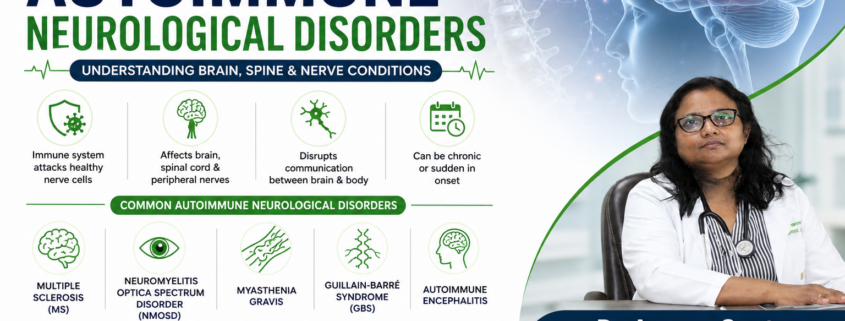
The immune system plays a crucial role in protecting the body from harmful invaders such as bacteria, viruses, and toxins. However, in autoimmune diseases with neurological involvement, this protective system can become misdirected and begin attacking the body’s own nervous system. When this happens, it can affect the brain, spinal cord, and peripheral nerves, leading to conditions that require expert neurological care.
Imagine your body’s defense system mistakenly targeting the very network that controls movement, sensation, and coordination. This is what can happen in autoimmune neurological disorders. These conditions may affect the brain, nerves, or spinal cord, leading to symptoms such as weakness, numbness, balance issues, memory problems, or chronic fatigue. In many cases, the early signs are subtle and may be overlooked, making timely diagnosis difficult but very important.
With the rising awareness of autoimmune neurological conditions, it has become essential to recognize early warning signs and seek specialist consultation. Understanding how the immune system can affect the nervous system helps in early intervention, better management, and improved long-term outcomes under proper neurological care.
What Are Autoimmune Neurological Disorders?
Autoimmune neurological disorders are conditions in which the body’s immune system mistakenly attacks healthy tissues of the nervous system, including the brain, spinal cord, and peripheral nerves. Normally, the immune system protects the body from infections and harmful substances. However, in these conditions, this defense mechanism becomes misdirected and targets nerve cells and neural pathways, leading to inflammation and neurological damage.
- The immune system attacks the brain, spinal cord, or nerves instead of protecting them
- Leads to inflammation that affects neurological function
- Can interfere with communication between the brain and body
These disorders can present in different ways depending on which part of the nervous system is affected. Some conditions may primarily impact movement and coordination, while others may affect sensation, vision, memory, or cognitive function. Symptoms often develop gradually and may vary in intensity, which can make early diagnosis challenging.
- Some conditions affect motor function, others affect sensation or cognition
- Symptoms may fluctuate or progress over time
- Early neurological signs are often subtle and overlooked
Unlike typical immune responses that resolve after eliminating a threat, autoimmune attacks on the nervous system can become chronic. This ongoing inflammation can disrupt normal neurological function and may require long-term specialist care and management under a neurologist for better outcomes.
Common Types of Autoimmune Neurological Disorders
Autoimmune neurological disorders are conditions in which the immune system mistakenly attacks the nervous system, including the brain, spinal cord, and peripheral nerves. These disorders can affect movement, sensation, cognition, and overall neurological function. Understanding the most common types helps in early recognition and timely neurological consultation.
Multiple Sclerosis & Neuromyelitis Optica
One of the most well-known autoimmune neurological conditions is Multiple Sclerosis (MS), where the immune system attacks the protective covering of nerve fibers in the brain and spinal cord. This leads to problems with vision, balance, coordination, and muscle strength. Neuromyelitis Optica (NMO) is a related condition that primarily affects the optic nerves and spinal cord, often causing vision loss and severe weakness or paralysis in some cases.
Myasthenia Gravis & Guillain-Barré Syndrome
Myasthenia Gravis is an autoimmune disorder that affects the communication between nerves and muscles, leading to muscle weakness that often worsens with activity. Guillain-Barré Syndrome (GBS) is another serious condition where the immune system attacks peripheral nerves, causing sudden weakness, tingling, and in severe cases, paralysis that requires urgent medical care.
Autoimmune Encephalitis and Other Conditions
Autoimmune Encephalitis is a condition in which the immune system attacks the brain, leading to symptoms such as memory loss, seizures, confusion, and behavioral changes. Other neurological autoimmune disorders may affect different parts of the nervous system, resulting in a wide range of symptoms depending on the area involved.
Neurological Signs Your Immune System May Be Attacking You
Autoimmune neurological disorders often develop slowly, and early symptoms can be subtle or mistaken for stress, fatigue, or other common conditions. Because the immune system may attack the brain, spinal cord, or nerves, the signs can vary widely. Recognizing these early neurological warning signals is important for timely diagnosis and treatment by a neurologist.
Persistent Fatigue and Brain Fog
One of the earliest signs can be ongoing fatigue that does not improve with rest. Along with physical tiredness, many individuals also experience brain fog, difficulty concentrating, memory issues, or reduced mental clarity. These symptoms can affect work performance and daily functioning.
Weakness, Numbness, and Tingling
When the immune system affects the nerves, it can lead to unusual sensations such as tingling, numbness, or weakness in different parts of the body. These symptoms may start mildly in the hands or feet and gradually spread, sometimes affecting balance and coordination.
Vision and Balance Problems
Some autoimmune neurological conditions can impact the optic nerves or brain pathways, leading to blurred vision, double vision, or even temporary vision loss. Patients may also experience dizziness, loss of balance, or difficulty walking steadily.
Headaches, Seizures, and Cognitive Changes
In more serious cases, inflammation in the brain can lead to frequent headaches, seizures, confusion, or sudden changes in behavior and cognition. These symptoms should never be ignored, as they may indicate significant neurological involvement requiring urgent medical attention.
What Causes Autoimmune Neurological Disorders?
The exact cause of autoimmune neurological disorders is not always fully understood, but they are believed to result from a combination of genetic, environmental, and immune-related factors. In these conditions, the immune system becomes misdirected and mistakenly attacks the nervous system, including the brain, spinal cord, or peripheral nerves, leading to inflammation and neurological dysfunction.
Genetic Susceptibility
Genetics can play an important role in increasing the risk of autoimmune neurological diseases. Individuals with a family history of autoimmune or neurological conditions may have a higher susceptibility due to inherited immune system variations. However, genetics alone are not enough to cause the disease; they mainly increase vulnerability when combined with other triggers.
Environmental Triggers
Environmental factors can activate abnormal immune responses in genetically predisposed individuals. Exposure to infections, toxins, pollutants, or certain chemicals may disturb immune regulation and trigger attacks on nervous system tissues. In some cases, even previous infections can act as a starting point for neurological autoimmune reactions.
Infections and Immune Misfiring
Certain viral or bacterial infections are strongly linked to autoimmune neurological conditions. During infection, the immune system may mistakenly identify nerve tissues as harmful due to similarities in structure, a process known as molecular mimicry. This can lead to ongoing immune attacks even after the infection has been cleared.
Stress and Lifestyle Influences
Chronic stress, lack of sleep, poor nutrition, and unhealthy lifestyle habits can weaken immune balance and increase inflammation in the body. Over time, these factors may contribute to immune dysregulation, making the nervous system more vulnerable to autoimmune attacks or worsening existing neurological symptoms.
Hormonal and Immune System Imbalance
Hormonal changes, particularly in women, may influence immune activity and contribute to autoimmune neurological disorders. Fluctuations during puberty, pregnancy, or menopause can affect immune regulation and may increase the risk of developing or worsening neurological symptoms in susceptible individuals.
Risk Factors for Autoimmune Neurological Disorders
Autoimmune neurological disorders can affect anyone, but certain factors may increase the risk of developing conditions that impact the brain, spinal cord, or peripheral nerves. Understanding these risk factors is important for early awareness, timely neurological evaluation, and better disease management. While not all risks can be avoided, identifying them can support earlier diagnosis and improved outcomes under a neurologist’s care.
General Risk Awareness
Autoimmune neurological conditions often develop due to a combination of factors rather than a single cause. Being aware of early neurological symptoms and risk factors can help in seeking timely medical attention before significant nerve damage occurs.
- Risk is usually due to multiple combined factors
- Early recognition improves treatment outcomes
- Neurological evaluation is important in suspected cases
Gender Differences
Women are generally more prone to autoimmune neurological disorders compared to men. Hormonal influences, especially estrogen, may affect immune system regulation and increase susceptibility to conditions that impact the nervous system.
- Higher incidence in females than males
- Hormonal changes may influence immune activity
- More common during reproductive years
Family History and Genetic Susceptibility
A family history of autoimmune or neurological disorders can increase the likelihood of developing similar conditions. Genetic factors may influence how the immune system responds, making some individuals more vulnerable to nerve and brain inflammation.
- Family history increases risk of autoimmune neurological diseases
- Genetic predisposition affects immune response regulation
- Not guaranteed but increases susceptibility
Age and Immune System Changes
Autoimmune neurological disorders can occur at any age but are often seen in young to middle-aged adults. In some cases, symptoms may begin subtly and progress slowly, making early detection important for preventing long-term neurological complications.
- Common in young and middle-aged individuals
- Can also affect children and older adults
- Symptoms may progress gradually over time
Lifestyle and Environmental Triggers
Environmental exposures and lifestyle habits can influence immune system balance and potentially trigger neurological autoimmune responses. Infections, stress, poor sleep, smoking, and exposure to toxins may all contribute to disease development or worsening of symptoms.
- Infections may trigger immune misfiring in nerves
- Chronic stress can worsen neurological inflammation
- Poor lifestyle habits may increase disease severity
Diagnosis: How Are Autoimmune Neurological Disorders Detected?
Diagnosing autoimmune neurological disorders can be complex because their symptoms often overlap with other neurological or general health conditions. These disorders may affect the brain, spinal cord, or peripheral nerves, and symptoms can develop slowly or fluctuate over time. This makes early identification challenging, so a detailed neurological evaluation is essential for accurate diagnosis and timely treatment.
- Symptoms may mimic other neurological or systemic diseases
- Early detection helps prevent long-term nerve damage
- Multiple tests and evaluations are often required
Neurological History and Clinical Evaluation
A neurologist usually begins the diagnosis by taking a detailed medical and neurological history. This includes understanding symptoms such as weakness, numbness, vision changes, memory issues, or balance problems. The doctor may also evaluate symptom patterns, progression, and any family history of autoimmune or neurological disorders.
- Detailed symptom history helps identify neurological patterns
- Family history may indicate genetic susceptibility
- Clinical examination assesses brain and nerve function
Blood Tests and Immune Marker Analysis
Blood tests are commonly used to detect abnormal antibodies that may be attacking the nervous system. These tests also help measure inflammation levels and identify immune system activity that could be affecting neurological tissues.
- Detects autoimmune antibodies linked to nerve damage
- Measures inflammation in the body
- Helps assess overall immune system activity
Brain and Nerve Diagnostic Tests
In many cases, advanced neurological tests are required to confirm the diagnosis. MRI scans, CT scans, nerve conduction studies, and sometimes lumbar puncture (spinal fluid analysis) help identify inflammation, nerve damage, or abnormal brain activity.
- MRI helps detect brain and spinal cord inflammation
- Nerve conduction studies assess nerve function
- Spinal fluid tests can reveal immune activity in the CNS
Why Diagnosis Can Be Challenging
Autoimmune neurological disorders are often difficult to diagnose because symptoms vary widely from person to person and may resemble other conditions. In some cases, it may take multiple consultations and repeated testing before a clear diagnosis is confirmed.
- Symptoms may fluctuate or progress slowly
- Similar signs appear in multiple neurological conditions
- Diagnosis often requires specialist evaluation and time
Treatment Options for Autoimmune Neurological Disorders
While autoimmune neurological disorders cannot usually be completely cured, they can be effectively managed with timely diagnosis and the right treatment approach under a neurologist’s care. The main goals of treatment are to reduce inflammation in the nervous system, control the overactive immune response, prevent further nerve damage, and improve overall neurological function and quality of life.
Immunotherapy and Immune System Control
Treatment often involves medications that regulate or suppress the immune system to prevent it from attacking the brain, spinal cord, or peripheral nerves. Depending on the condition and severity, neurologists may prescribe corticosteroids, immunosuppressants, or disease-modifying therapies to control disease activity and reduce neurological damage.
Managing Neurological Symptoms
Symptom management is an important part of treatment, especially in conditions that affect movement, sensation, or cognition. Medications may be used to control muscle weakness, nerve pain, seizures, stiffness, or coordination problems, helping patients maintain daily functioning and independence.
Rehabilitation and Supportive Therapy
In many cases, rehabilitation therapies such as physiotherapy, occupational therapy, or speech therapy are recommended to improve mobility, strength, balance, and communication skills. These therapies help patients recover lost function and adapt to neurological challenges more effectively.
Lifestyle Support and Long-Term Care
Healthy lifestyle habits also support neurological health and recovery. Adequate rest, balanced nutrition, stress management, and avoiding triggers such as infections or excessive fatigue can help reduce symptom flare-ups and improve overall stability.
Regular Neurological Monitoring
Ongoing follow-up with a neurologist is essential for long-term management. Regular assessments help track disease progression, adjust medications, and identify any new neurological changes early. This ensures better control of symptoms and reduces the risk of long-term complications.
Living with Autoimmune Neurological Disorders
Living with autoimmune neurological disorders can be challenging, as these conditions often require long-term care and continuous management under a neurologist’s guidance. Since the nervous system is involved, symptoms may affect movement, balance, memory, vision, or daily functioning. With proper treatment, lifestyle adjustments, and support, many individuals can still maintain a stable and meaningful quality of life.
Managing Daily Neurological Symptoms
One of the most important aspects of living with these conditions is learning how to manage daily neurological symptoms effectively. Patients may experience fatigue, muscle weakness, numbness, coordination problems, or cognitive difficulties. Creating a structured daily routine, taking prescribed medications regularly, and pacing activities can help reduce symptom impact and improve daily functioning.
Emotional and Mental Well-Being
Chronic neurological conditions can also affect emotional health, leading to stress, anxiety, or mood changes. These emotional challenges are common when dealing with long-term symptoms that affect independence and lifestyle. Stress management techniques, relaxation exercises, and psychological support can play an important role in overall recovery and stability.
Healthy Lifestyle for Neurological Support
Maintaining a healthy lifestyle is essential for supporting brain and nerve health. A balanced diet, proper hydration, regular light physical activity, and adequate sleep can help improve energy levels and reduce symptom flare-ups. Avoiding triggers such as stress, infections, and extreme fatigue is also important in long-term management.
Support System and Long-Term Care
A strong support system involving family, caregivers, and healthcare professionals can significantly improve coping ability. Regular follow-ups with a neurologist ensure proper monitoring of disease progression and timely adjustments in treatment. Being informed about the condition also helps patients make better decisions and actively participate in their care journey.
When Should You See a Neurologist?
Recognizing the right time to seek medical help is very important in autoimmune neurological disorders. Since symptoms often develop slowly and may resemble stress, fatigue, or other common conditions, they are frequently ignored in the early stages. However, delaying neurological evaluation can lead to progression of nerve, brain, or spinal cord involvement and more serious complications over time.
Persistent and Unexplained Neurological Symptoms
If you experience ongoing symptoms such as unexplained weakness, numbness, tingling, balance problems, vision changes, or persistent fatigue that does not improve, it may indicate a neurological autoimmune condition. Symptoms that continue for weeks or repeatedly return should be evaluated by a neurologist without delay.
Symptoms Affecting Daily Functioning
When neurological symptoms begin to interfere with daily life—such as difficulty walking, performing routine tasks, concentrating, or maintaining coordination—it is important to seek medical attention. These signs often suggest that the nervous system may be involved and requires specialist care.
Progressive or Recurring Symptoms
If symptoms gradually worsen over time or keep coming back in episodes, it may point toward an underlying autoimmune process affecting the nervous system. Early neurological consultation can help slow disease progression and prevent long-term damage.
Importance of Early Neurological Diagnosis
Timely consultation with a neurologist is crucial for accurate diagnosis and effective management. Early detection helps control inflammation, protect nerve function, and improve long-term outcomes. Prompt treatment can significantly reduce complications and support better recovery and quality of life.
Frequently Asked Questions (FAQs)
What are autoimmune neurological disorders?
Autoimmune neurological disorders occur when the immune system mistakenly attacks the nervous system, including the brain, spinal cord, or peripheral nerves. This leads to inflammation and disruption of normal nerve function, which can affect movement, sensation, vision, memory, and overall coordination.
What are the common symptoms of autoimmune neurological diseases?
Common symptoms include persistent fatigue, numbness, tingling, muscle weakness, balance problems, vision disturbances, memory issues, and difficulty concentrating. These symptoms may develop gradually and can vary depending on which part of the nervous system is affected, often making early detection challenging.
What causes autoimmune neurological disorders?
These conditions are usually caused by a combination of genetic susceptibility, environmental triggers, infections, and immune system imbalance. In some cases, viral or bacterial infections may confuse the immune system, leading it to attack healthy nerve tissues, brain cells, or spinal cord structures.
Can autoimmune neurological disorders be cured?
Most autoimmune neurological disorders cannot be completely cured, but they can be effectively managed. Treatment focuses on controlling inflammation, regulating the immune response, and preventing further nerve damage. With timely medical care and long-term management, many patients can improve their symptoms and quality of life.
When should I see a neurologist?
You should consult a neurologist if you experience persistent neurological symptoms such as unexplained weakness, numbness, balance issues, vision problems, seizures, or memory changes. Early evaluation is important for accurate diagnosis, timely treatment, and preventing long-term neurological complications.
Conclusion
Autoimmune neurological disorders are complex conditions in which the immune system mistakenly attacks the nervous system, including the brain, spinal cord, or peripheral nerves. This can lead to a wide range of neurological symptoms such as weakness, numbness, balance issues, vision problems, and cognitive changes. These conditions often develop gradually, making early recognition and diagnosis challenging but extremely important.
Understanding the causes, risk factors, symptoms, and treatment options can help patients and caregivers take timely action and seek proper neurological care. While most autoimmune neurological disorders may not have a complete cure, they can be effectively managed with medications, rehabilitation, and long-term monitoring under a neurologist’s supervision.
Most importantly, paying attention to early neurological signs and not ignoring persistent or unusual symptoms can make a significant difference in outcomes. Early diagnosis, consistent treatment, and a strong support system can help protect neurological function, improve quality of life, and support long-term stability.