Stroke Treatment in Delhi – Early Symptoms, Emergency Care & Recovery
A stroke is a serious neurological emergency that occurs when blood supply to the brain is suddenly interrupted or reduced. Without oxygen-rich blood, brain cells begin to die within minutes, making immediate medical attention extremely important. Fast diagnosis and expert care from a Stroke specialist in Delhi can significantly reduce brain damage and improve recovery outcomes.
Stroke is one of the leading causes of disability and death worldwide, but timely treatment and awareness of warning signs can save lives. Understanding the symptoms, causes, and treatment options helps patients and families act quickly during a medical emergency.
What is a Stroke?
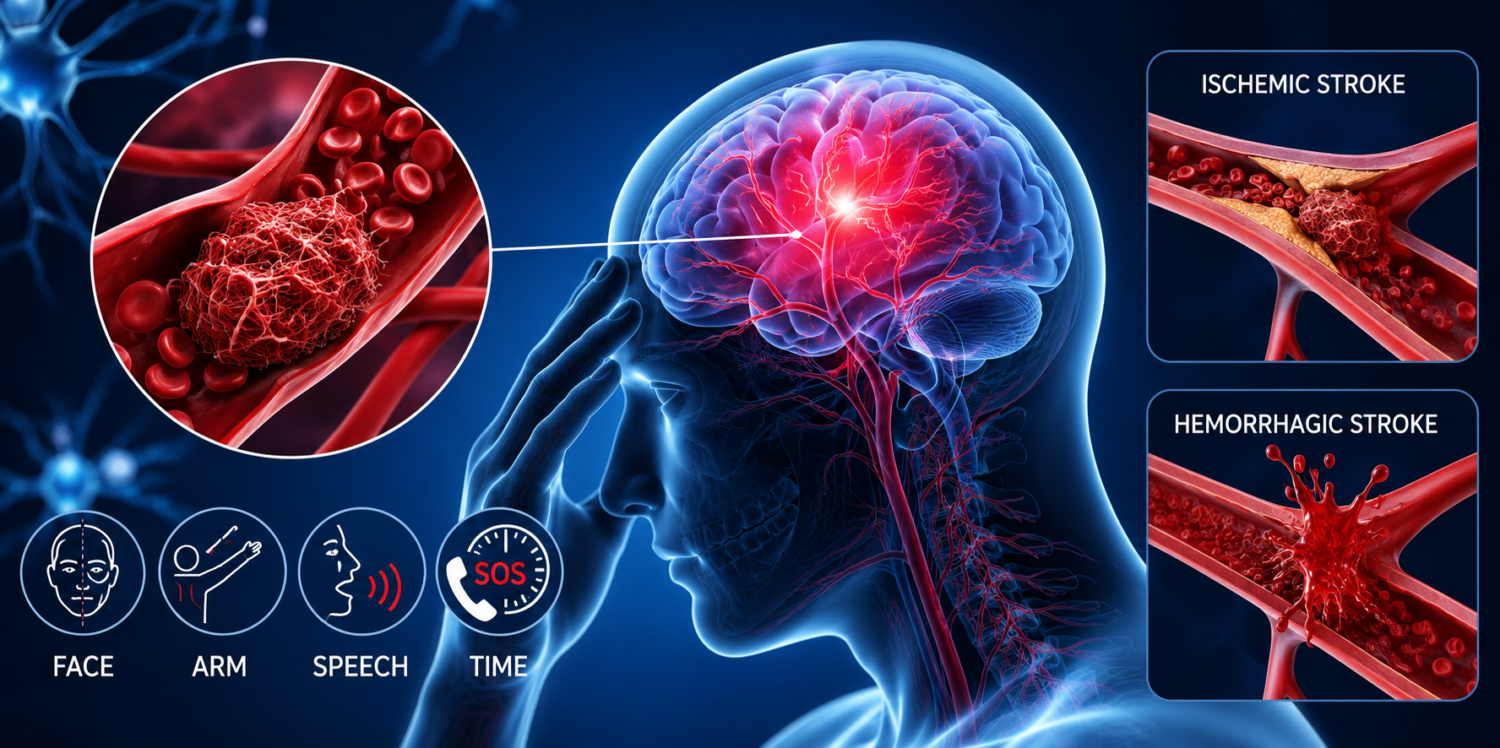
A stroke happens when blood flow to a part of the brain is blocked or when a blood vessel in the brain bursts. The brain controls movement, speech, memory, and body functions, so damage caused by a stroke can affect multiple abilities depending on the area involved.
There are three main types of stroke:
Ischemic Stroke
An ischemic stroke occurs when a blood clot blocks an artery supplying blood to the brain. This is the most common type of stroke and accounts for nearly 85% of all cases. Conditions such as high blood pressure, diabetes, high cholesterol, smoking, obesity, and heart disease increase the risk.
Hemorrhagic Stroke
A hemorrhagic stroke occurs when a weakened blood vessel ruptures and causes bleeding in or around the brain. Uncontrolled hypertension, aneurysms, trauma, and vascular abnormalities are common causes. This type of stroke requires urgent medical management to control bleeding and reduce pressure inside the brain.
Transient Ischemic Attack (TIA)
A transient ischemic attack, often called a mini-stroke, causes temporary stroke-like symptoms that usually resolve within 24 hours. Although symptoms disappear, TIAs should never be ignored because they can be an early warning sign of a major stroke. Consulting the best stroke specialist in Delhi after a TIA can help prevent future complications.
Early Symptoms of Stroke
Recognizing stroke symptoms quickly can help save brain function and reduce long-term disability. Common warning signs include:
- Sudden numbness or weakness in the face, arm, or leg, especially on one side of the body
- Difficulty speaking or understanding speech
- Sudden confusion or disorientation
- Blurred vision, double vision, or sudden loss of vision
- Severe headache without a known cause
- Dizziness, imbalance, or difficulty walking
- Loss of coordination or sudden collapse
These symptoms may appear suddenly and should never be ignored.
Understanding the FAST Warning Signs
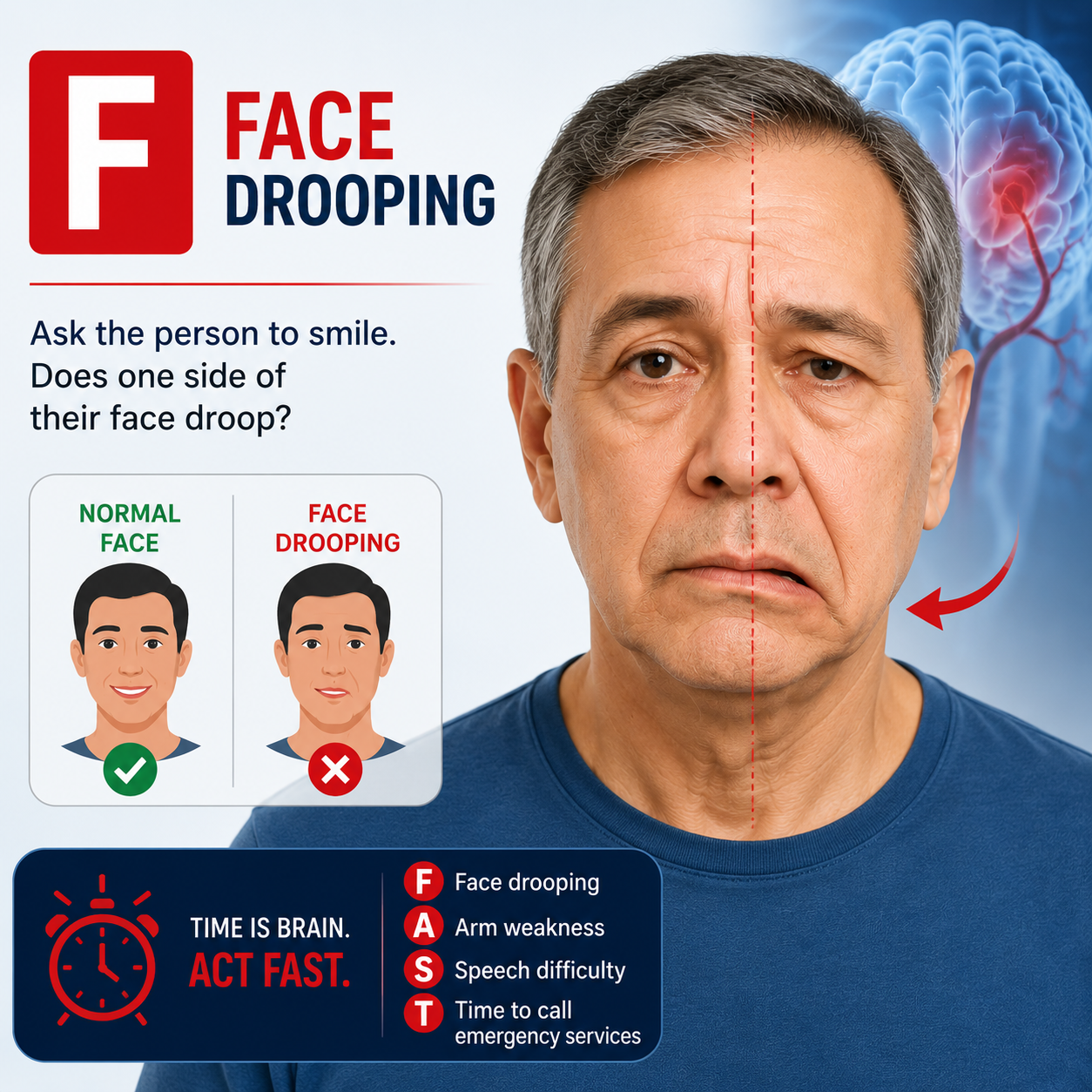
F – Face Drooping
Ask the person to smile and observe their facial movements carefully. One side of the face may droop, appear numb, or look uneven. The smile may appear crooked, and the person may have difficulty controlling facial muscles. Facial weakness is one of the most common early warning signs of stroke.
In many cases, facial drooping develops suddenly and may be accompanied by numbness around the mouth, cheek, or eye. The affected side of the face may appear stiff or weak, making it difficult for the person to smile properly, close one eye, or speak clearly. Some individuals may also experience drooling due to reduced muscle control.
Facial drooping occurs because a stroke interrupts blood flow to the part of the brain responsible for controlling facial muscles. This symptom should never be ignored, especially when it appears along with arm weakness, confusion, or speech difficulty. Immediate medical evaluation by the best Stroke specialist in Delhi is important to reduce the risk of permanent neurological damage and improve recovery outcomes.
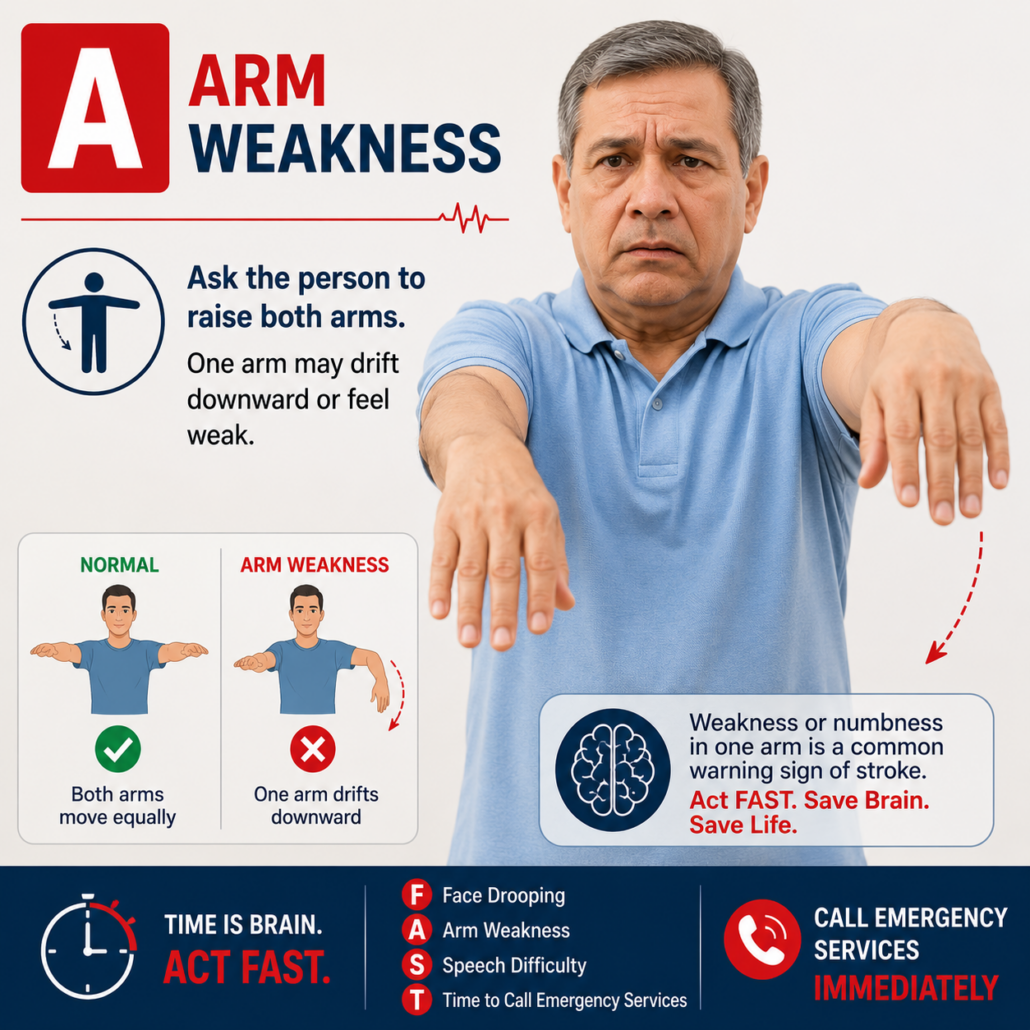
Ask the person to raise both arms at the same time. In many stroke cases, one arm may feel weak, numb, or drift downward involuntarily. The person may also struggle to hold objects or experience sudden loss of coordination on one side of the body.
Arm weakness may begin suddenly and can affect daily activities such as lifting objects, writing, eating, or maintaining balance. Some patients experience tingling sensations, heaviness, or complete numbness in one arm. In severe cases, weakness may also spread to the shoulder, hand, or leg on the same side of the body.
This symptom occurs when the brain’s motor control pathways are affected by interrupted blood flow or bleeding. Since arm weakness is a major warning sign of stroke, immediate treatment from the best Stroke specialist in Delhi can help restore function, reduce complications, and prevent long-term disability.
A – Arm Weakness
S – Speech Difficulty
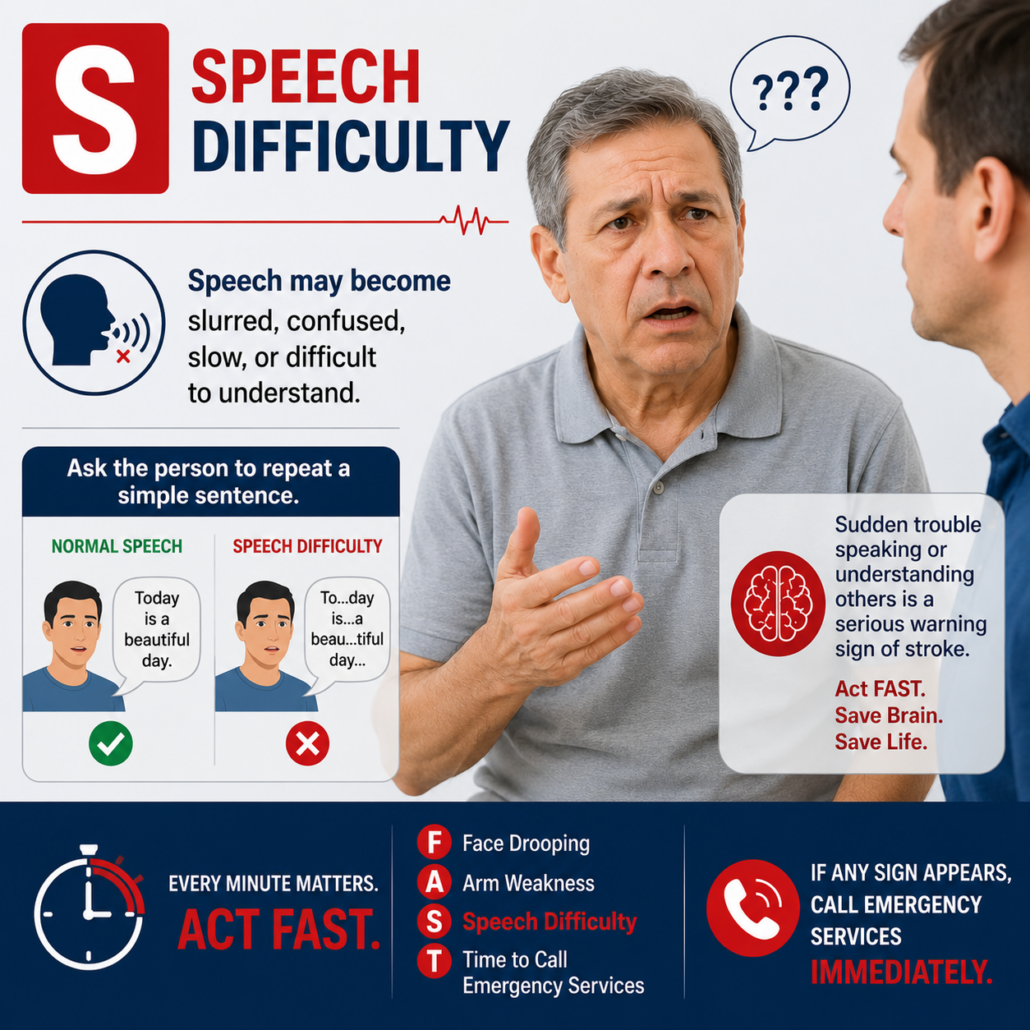
Speech may become slurred, confused, slow, or difficult to understand. The person may struggle to repeat a simple sentence correctly or may not understand what others are saying. Sudden speech problems are a serious neurological warning sign that requires immediate medical evaluation.
A stroke can affect the areas of the brain responsible for language, communication, and comprehension. Patients may speak unclearly, use incorrect words, forget familiar terms, or become unable to communicate properly. In some cases, they may understand speech but be unable to respond effectively.
Speech difficulties often appear suddenly and may worsen rapidly if treatment is delayed. Early diagnosis and emergency stroke management by a Stroke specialist in Delhi can improve communication recovery, brain function, and overall quality of life.
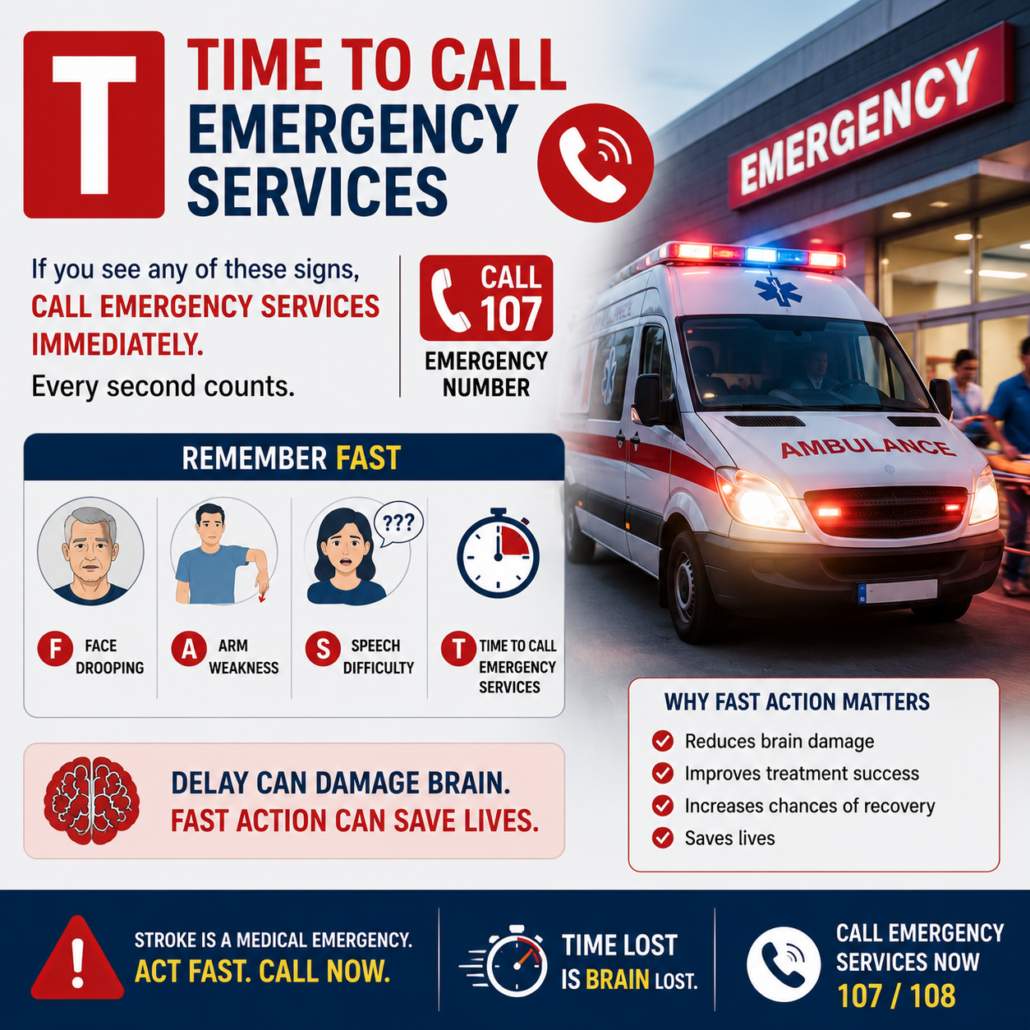
If any of these symptoms appear, call emergency medical services immediately. Do not wait for symptoms to improve or disappear. Quick hospitalization and treatment by a Stroke specialist in Delhi can help reduce brain damage and improve recovery outcomes.
Every second matters during a stroke because brain cells begin to die within minutes of interrupted blood flow. Delayed treatment increases the risk of paralysis, memory loss, speech impairment, and permanent disability. Rapid medical attention allows doctors to perform urgent brain imaging and begin life-saving treatment as quickly as possible.
Immediate care during the “golden hour” greatly improves the chances of survival and recovery. Seeking emergency treatment from the best Stroke specialist in Delhi ensures access to advanced stroke care, clot removal procedures, rehabilitation therapies, and long-term stroke prevention strategies.
T – Time to Call Emergency Services
Every minute matters during a stroke because delayed treatment can lead to permanent brain damage. Immediate evaluation by a Stroke specialist in Delhi increases the chances of successful treatment and recovery.
Importance of the Golden Hour in Stroke Treatment
The first few hours after stroke symptoms begin are known as the “golden hour.” During this critical period, rapid diagnosis and treatment can restore blood flow, minimize brain damage, and improve survival.
Advanced neuroimaging tests such as CT scans and MRI help determine whether the stroke is ischemic or hemorrhagic. Accurate diagnosis is essential because treatment differs for each type of stroke.
Quick treatment under the supervision of the best stroke specialist in Delhi can reduce complications such as paralysis, speech impairment, and memory loss.
Ischemic Stroke Treatment Options
The primary goal of ischemic stroke treatment is to restore blood flow to the brain as quickly as possible.

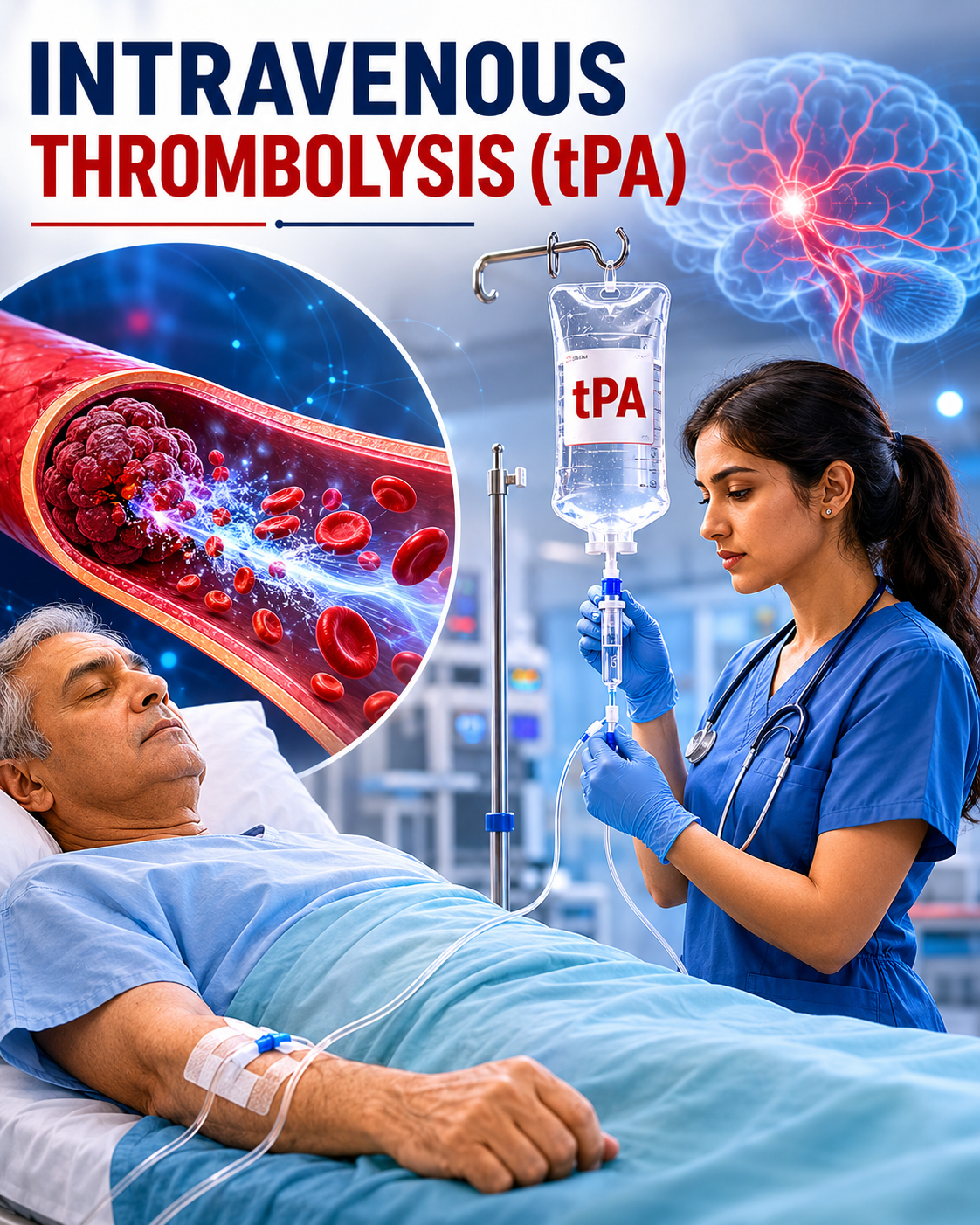
Intravenous Thrombolysis (tPA)
Clot-dissolving medication called tissue plasminogen activator (tPA) can help reopen blocked arteries when given within 4.5 hours of symptom onset. Early administration greatly improves recovery outcomes.
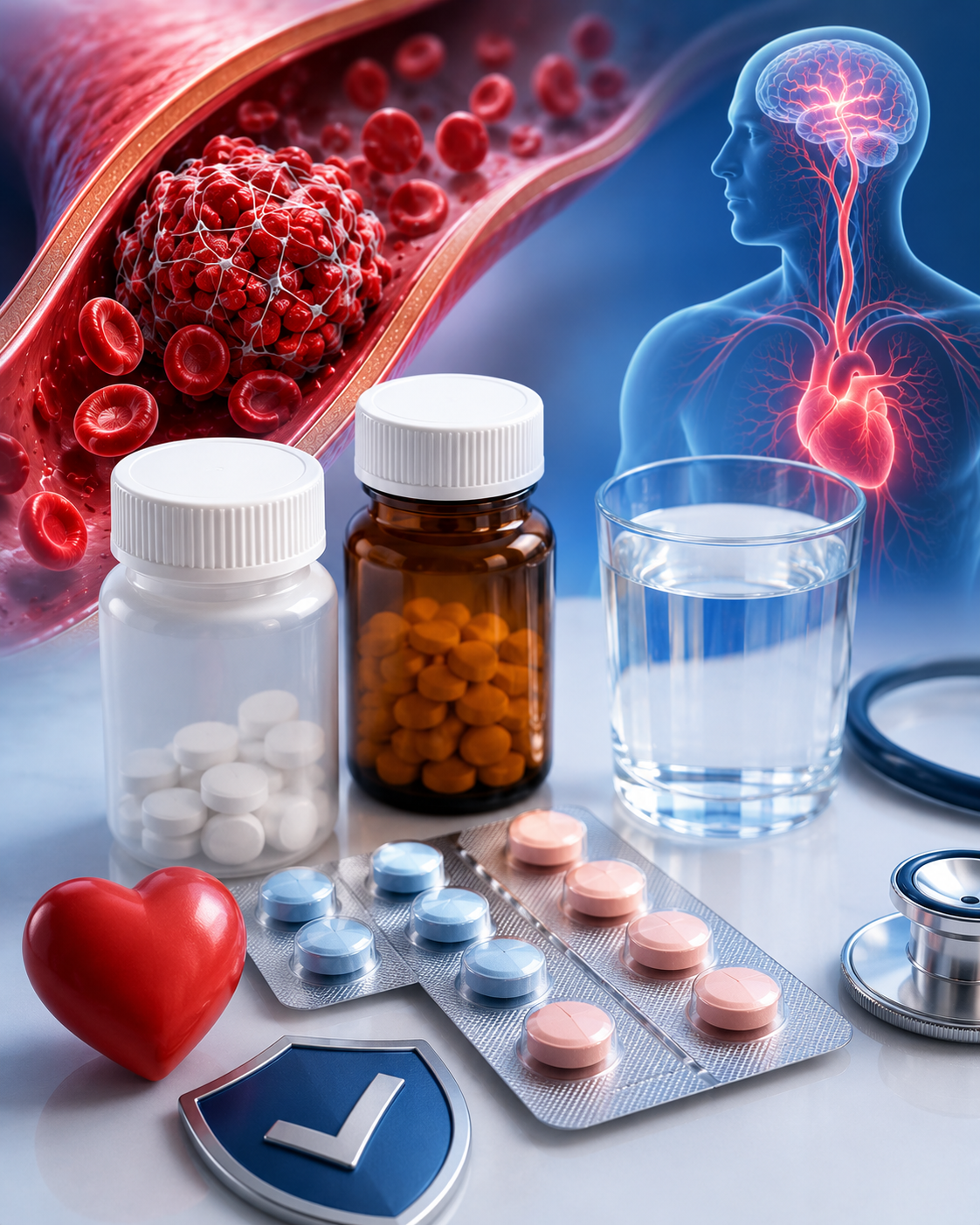
Antiplatelet & Blood Thinner Medications
Medicines such as aspirin and anticoagulants help prevent additional clot formation and reduce the risk of future strokes. Treatment planning by the best stroke specialist in Delhi ensures the safest and most effective care for each patient.
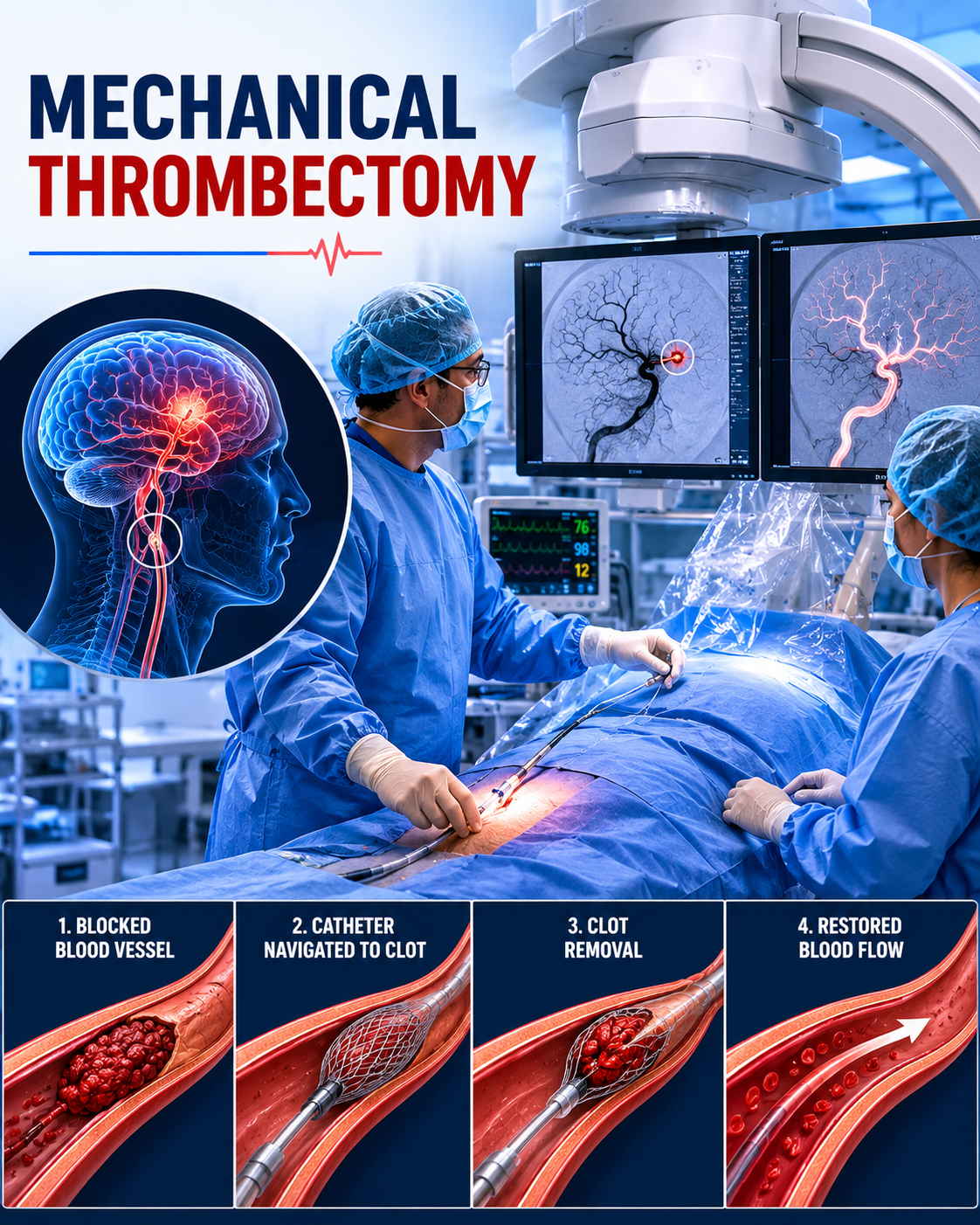
Mechanical Thrombectomy
For large artery blockages, doctors may perform a minimally invasive procedure called mechanical thrombectomy. A catheter is inserted into the blood vessel to remove the clot directly. In selected patients, this procedure may remain effective up to 24 hours after symptom onset.
Stroke Rehabilitation and Recovery
Recovery after stroke often requires long-term rehabilitation to restore movement, speech, balance, and daily functioning. Rehabilitation usually begins within 24–48 hours after stabilization.
Stroke rehabilitation may include:
- Physiotherapy for strength and mobility
- Speech and language therapy
- Occupational therapy
- Swallowing therapy
- Cognitive rehabilitation
- Emotional and psychological support
Early rehabilitation improves independence and quality of life.
Preventing Future Strokes
Many strokes can be prevented through lifestyle changes and medical management. Prevention strategies include:
- Controlling blood pressure
- Managing diabetes and cholesterol
- Quitting smoking
- Maintaining a healthy weight
- Exercising regularly
- Eating a balanced diet
- Reducing alcohol intake
- Taking prescribed medications regularly
Regular follow-up with the best stroke specialist in Delhi helps monitor risk factors and prevent recurrent strokes.
Frequently Asked Questions (FAQs)
What are the common symptoms of stroke?
Common stroke symptoms include face drooping, arm weakness, speech difficulty, blurred vision, dizziness, and severe headache. Consult a Stroke specialist in Delhi immediately for emergency treatment.
Why is early stroke treatment important?
Early treatment during the golden hour helps reduce brain damage, improve recovery, and lower complications. The best stroke specialist in Delhi can provide timely stroke management.
What causes an ischemic stroke?
An ischemic stroke occurs when a blood clot blocks blood flow to the brain. Immediate care from a Stroke specialist in Delhi helps restore circulation and prevent complications.
Can a mini-stroke be dangerous?
Yes, a mini-stroke or TIA is a warning sign of a future major stroke. Early evaluation by the best stroke specialist in Delhi is essential for prevention.
How can strokes be prevented?
Strokes can be prevented through blood pressure control, healthy diet, exercise, diabetes management, quitting smoking, and regular consultation with a Stroke specialist in Delhi.
Why Choose the Best Stroke Specialist in Delhi?
Stroke treatment requires rapid diagnosis, advanced technology, emergency intervention, and expert rehabilitation support. Choosing the best stroke specialist in Delhi ensures access to comprehensive stroke care, advanced imaging, minimally invasive procedures, and long-term neurological management.
If you or a loved one experiences any warning signs of stroke, seek immediate medical attention. Timely treatment can save brain function, reduce disability, and improve overall recovery.