About Doctor
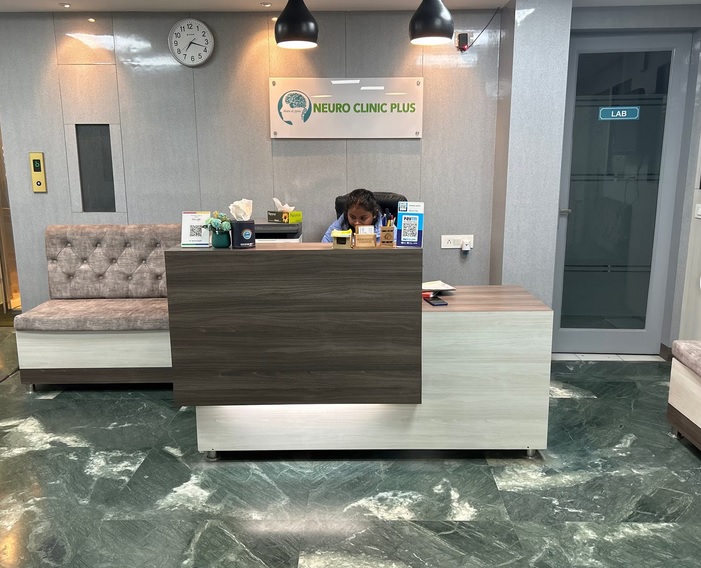
Dr. Aparna Gupta is Associate Director of Neurology at ISIC Multispeciality Hospital, Vasant Kunj, New Delhi. She also runs her personal clinic, Neuro Clinic Plus, in Safdarjung Enclave.B-4/18. She provides treatment for a wide range of neurological disorders, such as stroke, epilepsy, headache, vertigo, movement disorders, dementia, Parkinson’s disease, peripheral neuropathy, spine pain, brain infections, and autoimmune disorders.
Dr. Aparna Gupta is actively involved in organizing various neurological workshops and conferences in India and abroad. As a member of the Indian Academy of Neurology, Indian Epilepsy Society, and Indian Medical Association, she is highly respected for her contributions.
Dr. Aparna completed her MBBS from , Jabalpur in 1998 , MD ( Medicine ) from Gandhi Medical College, Bhopal in 2003 and DNM in Neurology from Sir Ganga Ram Hospital in 2010. She has done a fellowship in epilepsy and sleep disorders from AIIMS, a fellowship in Botox treatment in neurological disorders from Seol (South Korea). With 22 years of experience in neurology, she is a highly regarded specialist.
Education :
- MBBS – Netaji Subhash chandra Bose Medical college,Jabalpur in 1998, Rani Durgawati Vishwa Vidyalaya,Jabalpur in 1998.
- MD – in General Medicine-Gandhi Medical College, Bhopal in 2003, Barkatulla University, Bhopal, 2003
- DNB-Neurology- National Board of Examination, 2009
- DNM in Neurology from Sir Ganga Ram Hospital in 2010
Experiences :
- Consultant at Indian Spinal Injury Centre
- Senior Resident. Department of Cardiology at Sir Ganga Ram Hospital
Awards and Recognitions:
- Paper and Poster Presented: Cryptococcal Meningitis With Cerebral And Spinal Involvement Poster Presented In IANCON
- Paper and Poster Presented: Early Introduction In Non-Pharmacological Therapy In Failed Back Syndrome, NSI
- Paper and Poster Presented: Association of Hyperhomocysteinemia With Ischemic Stroke And Subtypes Of Ischemic Stroke And Comparison To Controls, DNACON
- Paper and Poster Presented: Changing Trends In Fungal Infections, DNACON
- Publication: Pictorial CME- Myotonia Congenita (Beckar’s Varient), JAPI
- Delhi Neurological Association Conference
- International Conference of Nerve and Muscle Disorder
- International Conference of Epilepsy
- Stroke Conference, AIIMS, Delhi
Scope of Neurological Ailments Treated
We treat a wide spectrum of disorders affecting the central and peripheral nervous systems.
Key Ailments Treated:
- Cerebrovascular Diseases: Acute Ischemic Stroke (brain attack), Hemorrhagic Stroke, and Transient Ischemic Attacks (TIA).
- Epilepsy and Seizures: Diagnosis, advanced monitoring, and long-term medical management of various seizure disorders.
- Movement Disorders: Parkinson’s Disease, Essential Tremor, and Dystonia.
- Headaches and Pain: Chronic Migraines, Tension Headaches, and Trigeminal Neuralgia.
- Neurodegenerative Diseases: Alzheimer’s Disease, Dementia, Multiple Sclerosis (MS), and Amyotrophic Lateral Sclerosis (ALS).
- Peripheral Neuropathies: Diabetic Neuropathy, Guillain-Barré Syndrome (GBS), and Carpal Tunnel Syndrome.
- Infections: Meningitis and Encephalitis.
- Sleep Disorders: Sleep Apnea and restless legs syndrome requiring neurological evaluation.
Neuro-Rehabilitation and Wellness Program
No treatment plan for a neurological condition is complete without essential lifestyle adjustments and therapeutic support to maximize function, slow disease progression, and maintain independence. Our program is a comprehensive approach designed to help patients manage chronic symptoms, optimize function, and ensure long-term wellness.
- Therapeutic and Physical Conditioning
Rehabilitation is crucial for functional recovery and maintenance.
- Physical Therapy (PT) and Occupational Therapy (OT): Individualized exercise and functional training programs are prescribed to maintain muscle strength, improve balance, and adapt daily living skills (e.g., after stroke or for MS).
- Speech and Swallowing Therapy (SLP): For patients with conditions affecting speech, cognition, or swallowing function (dysphagia).
- Monitored Activity: Regular, safe physical activity is encouraged to maintain circulation and mental acuity, adapted to the patient’s specific neurological deficit and fatigue levels.
- Medication and Adherence Management
Effective treatment hinges on precise control of prescribed therapies.
- Optimized Medication Schedule: Guidance on the complex timing and dosage of neurological medications (e.g., anti-epileptics, anti-Parkinsonian drugs) to maximize efficacy and minimize side effects.
- Risk Factor Control: Strict management of co-existing conditions like hypertension and diabetes, which are major risk factors for stroke and neuropathy.
- Monitoring: Frequent follow-ups and blood tests to monitor drug levels and prevent toxicity.
- Cognitive and Psychosocial Support
Addressing the cognitive and emotional impact is key to quality of life.
- Cognitive Rehabilitation: Techniques and exercises to help patients manage memory loss, attention deficits, and other cognitive impairments following stroke or in dementia.
- Psychosocial Counseling: Support for managing the emotional and psychological impacts of living with a chronic, life-altering condition like Parkinson’s or Multiple Sclerosis, including dealing with anxiety and depression.
- Safety and Environment: Counseling on home safety modifications to reduce the risk of falls and injury, which is critical for patients with balance or motor control issues.